Coral Reef Snorkeling: Learn to Snorkel Without Reef Damage
Learn coral reef snorkeling etiquette: read the reef layout, hold a level float, respect wildlife distance, and pick sunscreen and no-take zones wisely.
On this page
A shallow coral reef rewards a snorkeler who plans the swim before entering the water, because the difference between a great look at a coral head and a broken one is usually body position and a few feet of distance. This guide suits beginners, families and occasional snorkelers heading to shore-accessible reefs in Florida and similar warm-water destinations, plus anyone joining a boat charter for the first time.
The habits are simple: enter over sand, float horizontal, keep hands and fins clear of living coral, and give animals room to move away on their own. Get those right and you can spend your energy on reading the reef instead of worrying about where your fins are.
Why reef etiquette matters on a shallow reef
Coral grows slowly and builds structure over years, so a single misplaced fin kick or a hand pressed down for balance can set back a patch that took a long time to form. Snorkelers also concentrate in the shallowest, most accessible water, which is exactly where coral sits closest to the surface and closest to people.
It is the set of habits that keep a shallow reef intact while you enjoy it: float horizontally instead of treading water over structure, keep hands, fins and gear clear of living coral, enter and exit over sand, and give wildlife room to move away on its own.
Shallow reef structures in South Florida sit within easy swimming distance of the beach, which puts a lot of traffic over a small area. At Fort Lauderdale's Vista Park Reef, the coral begins roughly 600 to 800 feet from shore and the reef top lies about 12 to 15 feet deep, so snorkelers and fish share a narrow band of water.
Reading the reef before you get in
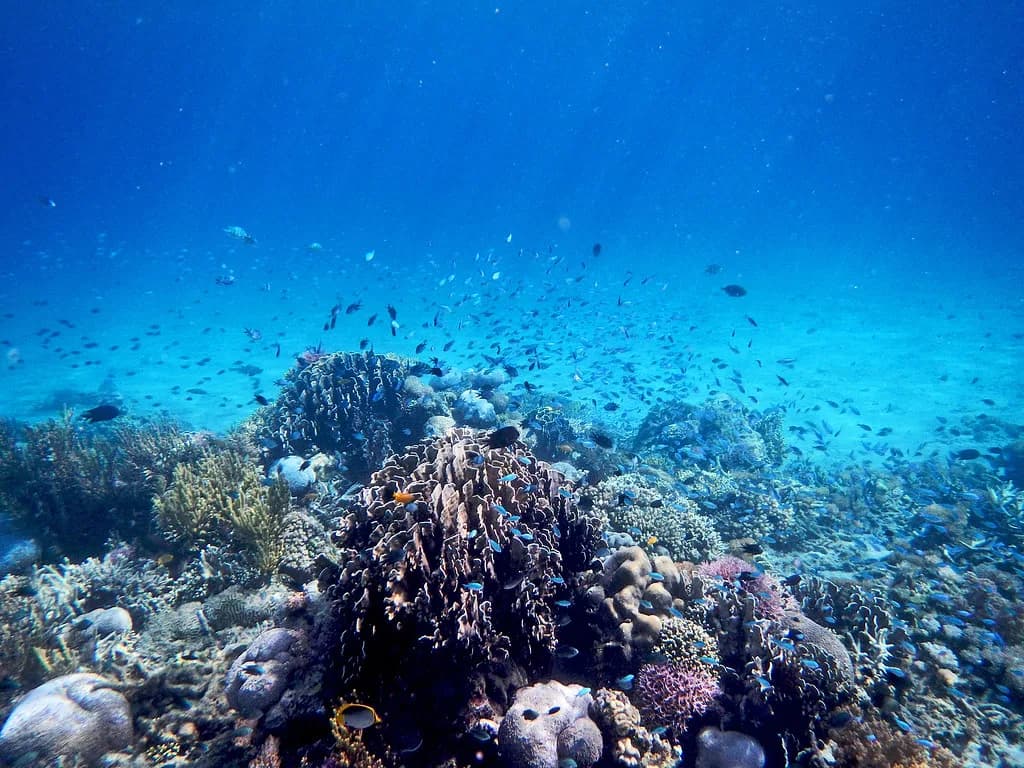
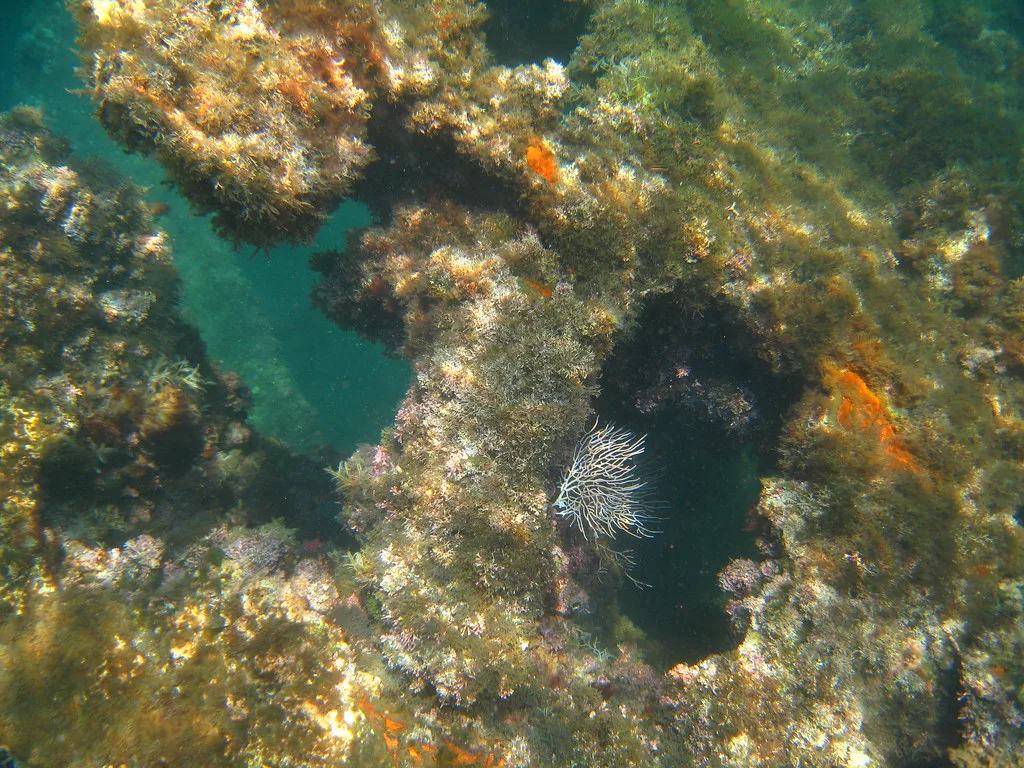
Stand on the sand and trace the layout with your eyes before you put a mask on. Most shallow reefs show a pale sand strip near shore, a line of swim buoys, then scattered algae and small coral structures, and finally the main reef with ledges and coral heads rising toward the surface.
At Vista Park Reef the crossing takes commitment: after passing the swim buoys you swim over small coral and algae, then a sand patch that looks like the end of the reef, and the main structure appears about 100 feet farther on. Knowing that sequence keeps you from turning back early or, worse, drifting onto the reef top while you look down instead of ahead.
Pick a sandy channel or gap as your lane in and out, and note a fixed landmark on shore to aim for on the return. If the reef runs parallel to the beach, swim along the sand edge beside it rather than directly over the coral heads.
Entry and exit without contact
Sand entries are the friendliest option: wade in until the water is deep enough to float, then put your mask on and lie flat before kicking. Walking upright over shallow reef is the most common cause of contact, so choose an entry where you can stay over sand until you are swimming.
Fins deserve their own plan. Put them on in knee-deep water or at the edge of the sand, never standing on a coral ledge, and use short, slow flutter kicks once you are level. A snorkeler who is vertical and sculling tends to stir sand and clip structure, so transition to a horizontal float quickly.
Boat-based snorkeling changes the entry entirely. Charters running to sites like Twin Ledges drop snorkelers into 15 feet of water over the reef top, with ledges dropping to about 18 and 20 feet to the west and east, so stay at the surface and follow the crew's guidance on where to swim.
Floating position: level, hands off, lightly weighted
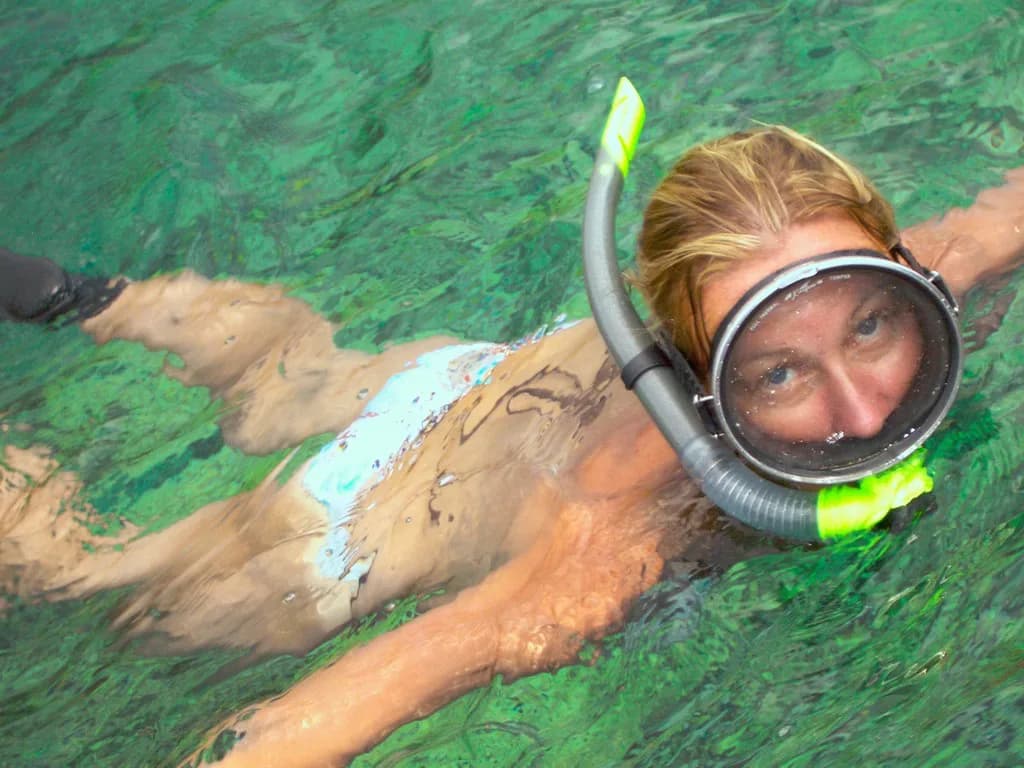
The single biggest etiquette upgrade is a horizontal float with relaxed legs behind you and arms at your sides or folded under your chest. From that position you can hover over a coral head without touching it, and you can pivot with your torso instead of pushing off the bottom.
Weighting works differently for snorkelers than for divers, but the principle is the same: you want to float at the surface with minimal effort rather than hang vertical and tread water. If you find yourself sinking or fighting to stay up, add a little buoyancy from a snorkel vest rather than reaching for structure to hold.
Breathing comfort drives body position, so sort out your gear before you go. A mask that seals and a tube you can clear without lifting your head keep you flat and calm; our guide to how to snorkel covers mask fit, clearing and the first float, and the explainer on how does a snorkel work goes deeper on tube design and breathing rhythm.
Distance rules for turtles, rays, sharks and reef fish
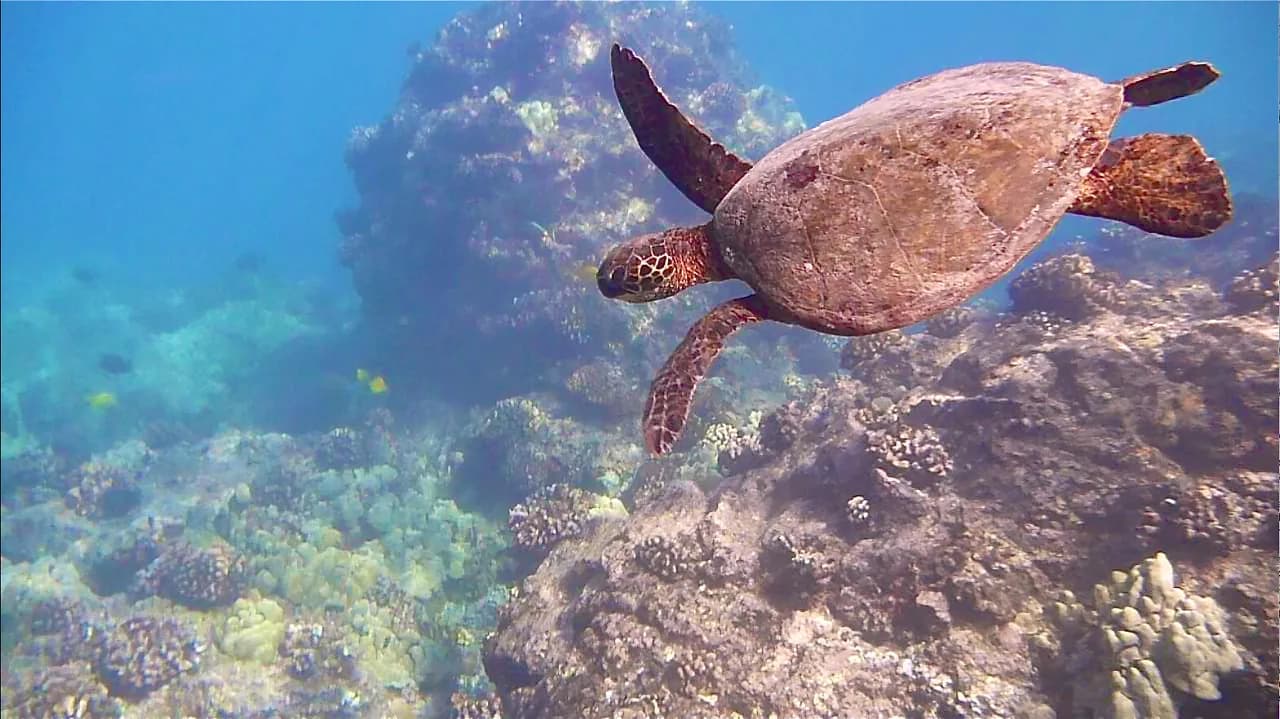
Wildlife rules separate by animal. Sea turtles surface to breathe and rest under ledges, so give them a clear path up and never block a turtle from reaching the surface; southern stingrays often settle into the sand and should be left to move off on their own; nurse sharks frequently rest under reef ledges, where a quiet look from outside the ledge is the whole encounter.
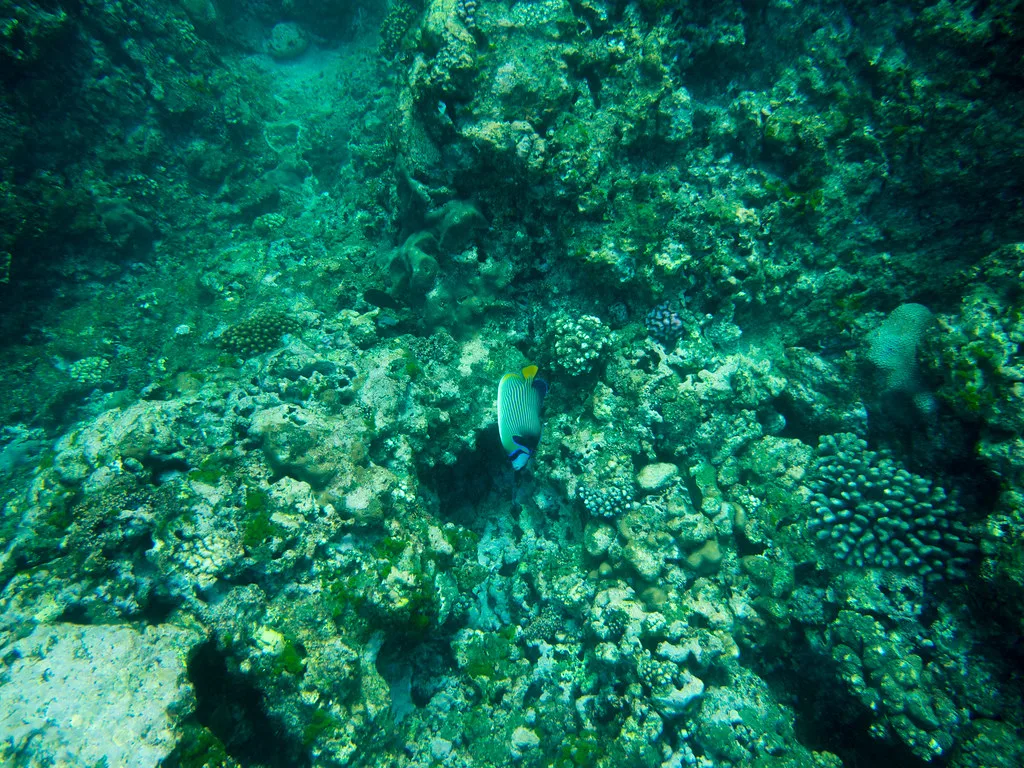
Caribbean reef fish are the constant background of a Florida reef swim, and the etiquette here is passive: no feeding, no chasing, and no herding fish into a corner for a photo. Fort Lauderdale's offshore reef system is known for turtles, nurse sharks, stingrays and dense reef fish, all of which behave differently when snorkelers keep a respectful gap.
Where an agency publishes a specific approach distance for turtles, seals or other protected animals, that number governs your swim; follow the wildlife signage at the site you visit rather than a generic rule of thumb.
Reef-safe sunscreen and what to put on before you go
Apply sunscreen at your accommodation or in the parking lot, well before you get wet, so it has time to absorb and does not wash off at the waterline. Choose a mineral-based product rather than one containing oxybenzone or octinoxate if you want the safest bet for coral water, and reapply on the beach between swims, not in the shallows.
Marine reserves and national parks increasingly publish their own sunscreen expectations alongside their no-take rules, so read the site's rules page for the place you are visiting and match your product to it. Plan on covering up with a rash guard and hat for long surface intervals, which reduces how much sunscreen you need in the water at all.
No-take zones and marine reserve rules
Marine reserves and no-take zones protect everything inside their boundaries, which usually means no collecting, no spearfishing and no taking of shells, coral or sand. In Florida, the coastal reef system that runs past Fort Lauderdale includes designated protected areas, and diving and snorkeling operators working those sites follow the rules that apply to each zone.
Before you swim, identify whether the site sits inside a reserve or park boundary and read the posted rules at the entry. If you join a charter, the crew briefs the boundaries and the no-take rules that apply to the site they run, and a self-guided shore snorkeler should read the same rules on the managing agency's page.
Boat traffic, mooring and snorkel floats
Shore snorkelers and boats share the same water, so carry a visible surface marker and stay inside the area where swimming is permitted. At Vista Park Reef, swim past the swim buoys to reach the coral, which puts you in open water where a boat could pass, so keep your head up periodically and stay close to your group.
If you arrive by boat, use a published mooring rather than dropping an anchor on coral, and pick up and drop off well clear of reef structure. On a charter, let the crew position the boat and follow their instruction on where to enter the water.
Best time of day and tide for shallow reef snorkeling
Early morning usually brings the lightest wind and the clearest shallow water, and it also puts you on the reef before most of the day's traffic. Midday sun lights the reef best for spotting fish and coral detail, while afternoon onshore wind can dirty the shallows and push you toward the coral.
Watch the tide rather than fighting it. A shallow reef top sits near the surface at low tide, leaving little clearance over coral heads, so a mid to high tide gives a snorkeler more room to float; plan your swim around the tide chart for the inlet nearest your site. Ask the local lifeguard or park staff about the day's surf, current and any jellyfish advisory before you enter.
Common mistakes that damage reef
Standing on reef to adjust a mask, kicking sand over coral with a vertical flutter, and holding a camera against a coral head for a steady shot are the three most common contact points. Each is fixable: adjust your mask while floating, keep kicks slow and horizontal, and brace the camera against your own body rather than the reef.
Hand-feeding fish, chasing a turtle for a photo, and collecting a shell from inside a reserve are the behaviors most likely to draw a warning from staff or other snorkelers. If you want to shoot photos or video, hover at the surface above the reef and let the fish come to you rather than descending onto structure.
A short self-check before you slip into the water
Run through five questions on the sand: do I know where the sand channel is, is my mask sealed and my tube clear, am I floating flat with fins on in shallow water, do I know the reserve or no-take boundaries, and have I checked the day's surf and current? If any answer is unclear, spend five more minutes on the beach, because sorting it out there is far easier than over a coral head.
Families with kids should treat the reef as a look-only zone and keep children within arm's reach over shallow structure. If snorkeling without strong swimming experience is part of the plan, read up on can you snorkel without knowing how to swim before booking a shallow reef trip, and choose a site with lifeguards for a first attempt.
Plan Your Reef Day
A good reef snorkel day is a short list of decisions: choose a site with a sand entry, plan your line along the sand edge, hold a level float, keep hands and fins clear, and leave wildlife and structure alone. Fort Lauderdale's shore reefs and its boat-accessible ledges both reward that discipline, and the reef looks better for it.
If you are deciding between surface snorkeling and going deeper, our explainer on diving vs snorkeling sets out what changes when you leave the surface. For the wider shortlist of US sites worth planning a trip around, see the guide to best snorkeling in the us. If a sheltered, managed bay with easy sand entry sounds like the right first reef, the Hanauma Bay Snorkeling Guide: Oahu Entry and What to Expect covers one such spot.
Frequently Asked Questions
What is coral reef snorkeling etiquette?
It is the set of habits that keep a shallow reef intact while you enjoy it: float horizontally instead of treading water over structure, keep hands, fins and gear clear of living coral, enter and exit over sand, and give wildlife room to move away on its own. It also means knowing whether the site sits inside a marine reserve and following its no-take rules.
Can you stand on a coral reef?
No. Coral is a living animal colony, and standing, kneeling or pushing off a coral head breaks structure that took years to grow. If you need to adjust your mask or fins, float at the surface or return to a sand patch, and put fins on in shallow sand rather than on a ledge.
How close can you get to sea turtles while snorkeling?
Follow the approach distance published by the agency managing the site you visit, and never block a turtle's path to the surface. Give a resting turtle under a ledge a wide berth, do not chase or touch it, and let it swim away on its own terms rather than following.
Is reef-safe sunscreen required?
Some marine reserves and parks publish their own sunscreen expectations alongside their no-take rules, and others do not. Read the rules page for the specific site before you travel, apply mineral-based sunscreen before you reach the water, and cover up with a rash guard to reduce how much product ends up in the shallows.
What should you not do while snorkeling a reef?
Do not stand on or hold coral, kick sand over structure, feed fish, chase or touch wildlife, or collect shells, sand or coral inside a reserve. Do not drop an anchor on reef when a mooring is available, and do not swim outside permitted areas where boat traffic passes.
How do beginners snorkel over coral without touching it?
Choose a site with a sand entry and a sandy channel beside the reef, put fins on in shallow water, and lie flat before kicking out. Hover at the surface above coral heads instead of descending, keep kicks slow, and use a snorkel vest for buoyancy rather than reaching for structure to steady yourself.
When is the best time to snorkel a shallow reef?
Early morning is usually calmest and quietest, and a mid to high tide gives more clearance over shallow coral tops than low tide. Check the tide chart for the nearest inlet and ask the lifeguard or park staff about surf, current and jellyfish advisories for the day.
Sources
Snorkeling notes for your next trip
Optional updates to our snorkeling guides.
You might also like

Continue reading
More guides you'll find useful