Best Snorkeling in the US: Learn to Snorkel Guide
Plan a US snorkel trip with ten standout spots, from Hanauma Bay and Molokini to La Jolla Cove and the Florida Keys, with entry, depth and skill notes.
On this page
Few countries can put a beginner-friendly volcanic crater, a boat-only caldera in the middle of the ocean and a spring run full of manatees on the same shortlist. That variety is what makes US snorkeling worth planning around: you can pick a warm-water shore entry in Hawaii, a wetsuit swim through kelp in California or a freshwater float in Florida, and each asks something different of you.
The right choice depends less on a ranking than on three questions: can you walk in from sand, or do you need a boat or ferry; are you comfortable in cold water; and does the site sit inside a protected reserve with rules that change what you can do. Answer those first and the shortlist shrinks fast.
How to read this list: entry type and skill level come first
Every spot below is sorted by how you physically get into the water, because that single detail rules more people out than water clarity ever does. Sand and gentle rock entries suit first-timers, families and anyone who wants to stand up and reset; boat-only sites shrink the day to a fixed tour window; and current-swept cold-water sites ask for strong surface swimming.
Hanauma Bay on Oahu is the strongest first-timer pick because you enter over sand inside a sheltered crater.
The second sort is temperature and exposure. Hawaii and the Florida Keys run warm enough for a swimsuit and rash guard most of the year, while La Jolla, Point Lobos and Lake Tahoe are wetsuit water where a thin suit changes a short swim into a comfortable one. If you are new to the sport, start with the basics in our guide on how to snorkel before you commit to a cold-water site.
The third sort is protection status. Marine reserves, national monuments and state parks often restrict collecting, touching or standing on reef, and those rules are the point of visiting, not an obstacle. Read the rules for each site before you pack fins.
Hanauma Bay, Oahu: a sand entry inside a volcanic crater
Hanauma Bay sits inside a collapsed volcanic crater on Oahu's southeast coast, and the beach entry is why it works for beginners: you walk in over sand rather than scrambling down rocks. The sheltered crater shape keeps the inner water calm on many days, and the reef begins close enough that you do not need a long surface swim.
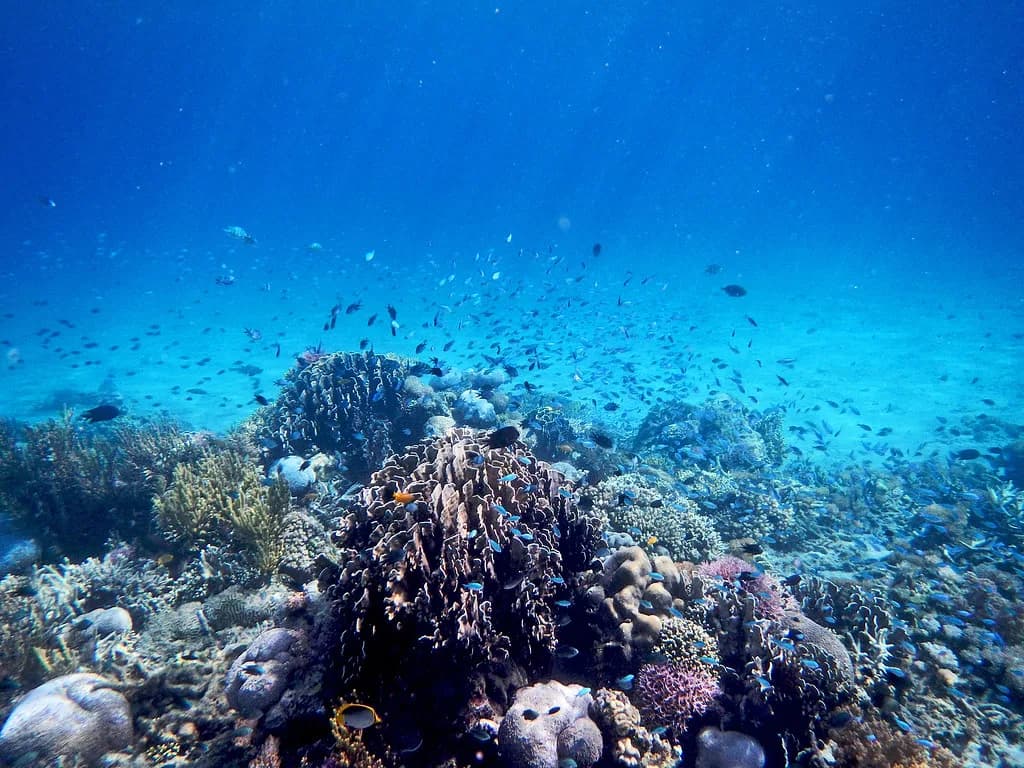
The bay is managed as a marine sanctuary with coral restoration work underway, and the fish life is the draw, with a species count that runs into the hundreds. Treat it as a place to float quietly over coral rather than chase anything. Because it is a reserve, expect rules on what you can touch or take, and follow posted guidance on site.
Hanauma is also the site most likely to test your planning: it is a popular sanctuary with visitor limits, so the entry process is worth sorting before you build a day around it. Check the current reservation and entry process with the City and County of Honolulu before you go, and arrive early enough to settle in rather than rushing the beach.
Skill level: beginner to intermediate. It suits kids and first-timers who can stand in shallow water, and it rewards patient snorkelers who keep their distance from coral. Combine it with other Oahu shore spots if you have a car, and read up on mask fit with our snorkel mask guide before you go.
Molokini Crater, Maui: boat-only caldera with a shallow inner reef
Molokini is a partially submerged volcanic caldera off Maui, and you cannot walk to it: every visit starts on a boat. That makes it a half-day commitment with a fixed window in the water, but the payoff is a protected inner reef that stays shallow enough for snorkelers while the outer walls drop away for divers.
The crescent shape shelters the inner bowl, which is why tour boats favor it on days when other Maui spots are choppy. Visibility varies with conditions, so treat any figure you hear as a good day rather than a guarantee. Expect fish life over coral in the shallows and leave the deeper walls to scuba divers.
Skill level: beginner to intermediate, with the caveat that you are on a boat. If you are deciding between breathing at the surface and going deeper, our comparison of diving vs snorkeling explains where the two split. Seasickness is the real hazard here, so pick a calm-forecast day and a boat that suits your stomach.
Molokini pairs naturally with a West Maui shore day: boat in the morning, then a gentle beach entry in the afternoon. Operators publish their own schedules and inclusions, so compare a few before booking.
Kailua-Kona and West Maui: shore snorkeling where green sea turtles are common
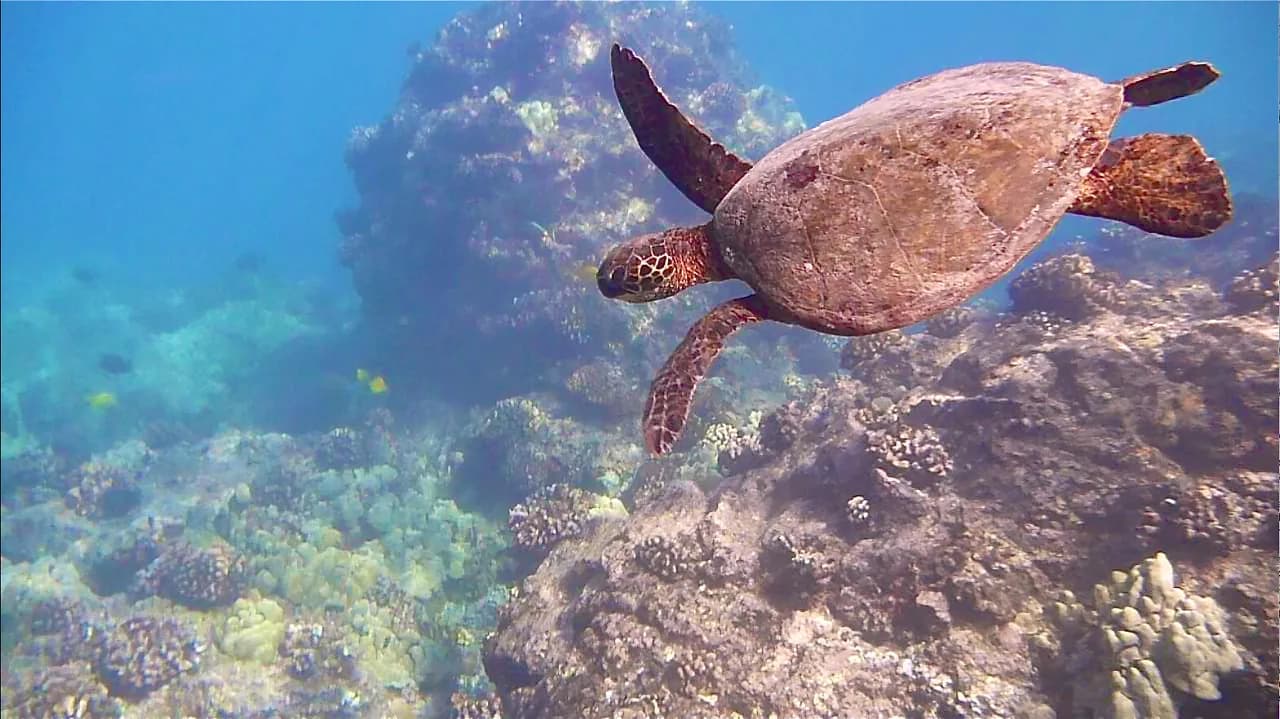
The Big Island's Kona coast and West Maui are the two most reliable shore-snorkeling bases in Hawaii, with lava-rock entries, sandy pockets and reefs close to the beach. Maui in particular supports a large population of Hawaiian green sea turtles, and Kona's sheltered bays hold plenty of fish and coral. If turtles are the goal, our guide to snorkeling in Maui covers the shore spots and boat options that put you over that reef.
Turtles are the headline, but sightings are never guaranteed on a given day. What you can count on is the habitat: reef flats and rocky shoreline where turtles graze algae. Keep the published distance and never touch, ride or block a turtle's path to the surface, because these animals are protected and the rules exist for their safety as much as yours.
Skill level: beginner to intermediate. Many entries are rocky, so reef shoes and a steady hand help, and a dry snorkel keeps water out when you are standing in the shallows adjusting your mask. Pick a calm morning before the trade winds build, and combine two nearby bays rather than committing to one.
For a broader sense of how Hawaii fits against other regions, the destination overview at Tropical Snorkeling places Maui and the Big Island among the stronger shore-snorkeling islands. Use it to sanity-check your island choice, then plan around the specific bay you will actually swim.
John Pennekamp Coral Reef State Park, Key Largo: boat trips to living reef
John Pennekamp Coral Reef State Park in Key Largo protects part of the Florida Keys barrier reef, and most snorkeling here happens from a boat rather than the beach. That is the trade-off: you give up the flexibility of walking in, and you gain access to living coral reef that you cannot reach from shore.
The park's signature underwater sight is the Christ of the Abyss statue, a submerged bronze figure that has become a reef in its own right, surrounded by tropical fish. Seagrass beds between the reef and shore are manatee habitat, so keep an eye out on the boat ride and never approach an animal. Lionfish are present and venomous, so look and do not touch.
Skill level: beginner, especially on a guided tour where the crew sets the plan. The water is warm and the reef shallow enough for surface snorkeling. Book a morning trip when the water is typically calmer, and ask the tour company about its schedule and what the price includes when you call.
Pair Pennekamp with the rest of the Upper Keys: a reef trip one day and a shore or kayak day the next. For the full spread of US options, the U.S. Divers roundup of top US snorkeling destinations lists Pennekamp alongside Hawaii and California sites, which helps you see how the Keys fit a bigger itinerary. If you want to compare reef trips and shore entries closer up, see our guide to snorkeling in Key Largo.
Dry Tortugas National Park: ferry or seaplane only, a full-day commitment
Dry Tortugas National Park sits about seventy miles off Key West, and the only ways in are ferry or seaplane. That makes it the biggest commitment on this list: a full day, a fixed schedule and a price that reflects the transport. What you get is Fort Jefferson, clear water and reef that few people reach.
Snorkeling happens around the fort and over coral heads, with the Windjammer Wreck adding a historic structure that now holds fish and soft coral. Because access is limited, the reefs see lighter use than the mainland Keys. Check the National Park Service page for current transport, fees and rules before you book anything.
Skill level: beginner to intermediate. The swim is not technical, but the day is long and exposed, so sun protection and hydration matter as much as fins. If you are prone to seasickness, the ferry crossing is the part to plan for.
Dry Tortugas pairs with a Key West base: one day on the water, one day around town. It is a poor fit for a short trip or for anyone who wants flexibility, and an excellent one for snorkelers who value remoteness.
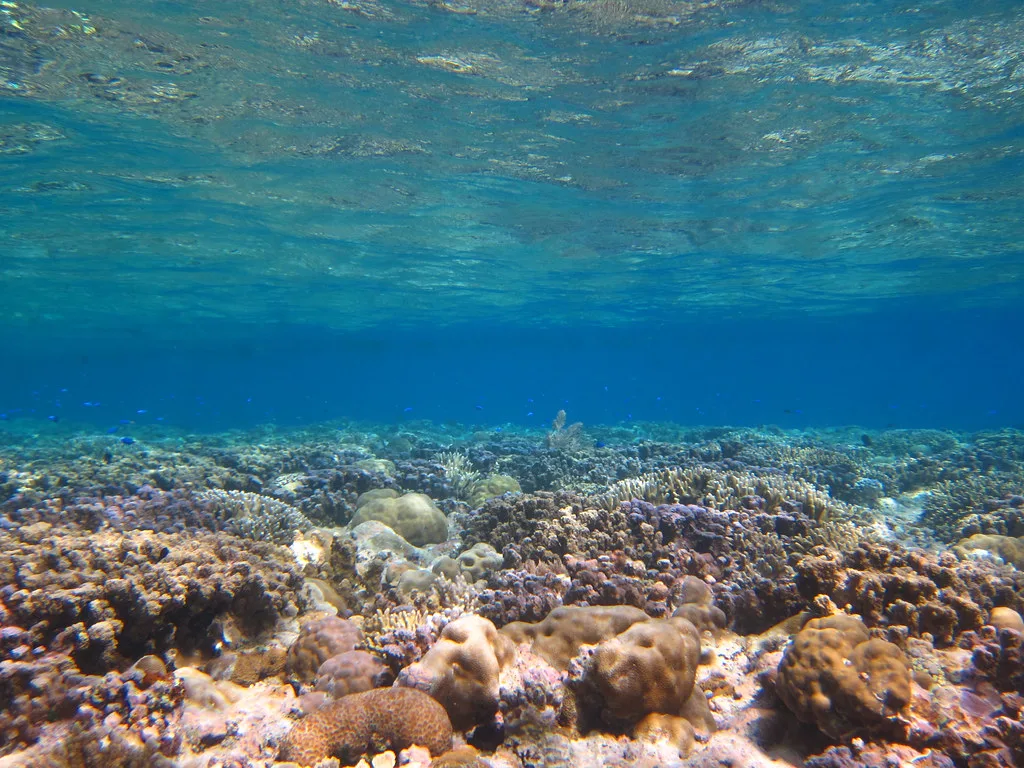
Crystal River, Florida: spring-run manatee snorkeling in winter
Crystal River is a freshwater spring system on Florida's Gulf coast, and it is the one spot on this list where the draw is a single animal rather than a reef. In the cooler months, West Indian manatees gather in the warm spring water, and snorkelers share the springs under strict wildlife guidelines.
This is not coral snorkeling. You will see spring water, vegetation and, on a good day, manatees resting or moving slowly through the run. Sightings vary and are never promised. The rules are the experience: no touching, no chasing, no blocking a manatee from the surface, and no crowding. Follow the guidelines your operator and the Florida Fish and Wildlife Conservation Commission publish.
Skill level: beginner. The water is calm and shallow in places, and guided trips are the norm. A rash guard or thin wetsuit helps in cooler months, and a mask that fits well matters more than fancy fins when you are floating quietly.
Crystal River pairs with a Gulf-coast beach day or a drive to the Tampa area. Book with an operator that follows the manatee guidelines, and ask about group size before you commit.
La Jolla Cove, San Diego: cliff-backed cove, kelp and garibaldi
La Jolla Cove is a small, cliff-backed cove in San Diego where you enter from the beach or a short set of stairs depending on the tide and swell. The cove is part of a protected marine reserve, and the mix of kelp forest, rocky reef and bright orange garibaldi makes it one of the most photogenic cold-water snorkels in the country.
Expect sea lions on the rocks and in the water, and give them room: they are wild animals with teeth, and the reserve rules protect them. Visibility is best on calm days, and the water is cool enough that a wetsuit is the difference between a short dip and a comfortable hour. The U.S. Divers guide to La Jolla Cove notes the chilly Pacific temperatures and recommends a wetsuit, which matches the reserve's cold-water character.
Skill level: beginner to intermediate on a calm day, more demanding when swell pushes into the cove. The beach entry is easy, but the swim out and back is over open water. Check surf and tide before you go, and skip it when the cove is surging.
La Jolla pairs with the rest of the San Diego coast and, for a longer trip, with Point Lobos to the north. Our guide on how does a snorkel work covers the breathing and clearing basics that make a cold-water entry less stressful.
Point Lobos State Reserve, Carmel: cold, current-swept kelp for strong swimmers
Point Lobos State Reserve south of Carmel is the wildest entry on this list: rocky shoreline, cold water, kelp forests swaying in the current and harbor seals in the shallows. It is a marine protected area, so the biodiversity is rich and the rules are strict.
This is not a beginner site. Conditions change quickly, the water is cold enough to demand a proper wetsuit, and the entries are rocky and exposed. The U.S. Divers roundup rates Point Lobos for intermediate to advanced snorkelers, and that is the right frame: go with someone experienced, pick a calm day and know your exit before you get in.
Skill level: intermediate to advanced. If you are new to cold water, build up at La Jolla first. A dry snorkel helps in chop, and a hood and gloves make a real difference in kelp.
Point Lobos pairs with Monterey and Carmel for a weekend, and with La Jolla for a longer California coast run. Check the reserve's current rules and access with California State Parks before you plan the day.
Buck Island Reef, St. Croix: a national monument with a marked underwater trail
Buck Island Reef National Monument sits just off St. Croix in the US Virgin Islands, and it is reached by boat. The protected reef is known for an underwater snorkeling trail with markers that guide you through coral gardens, which makes it unusually easy to follow a route rather than wander.
Expect brain coral, elkhorn coral and schools of tropical fish, with sea turtles possible but not guaranteed. Because it is a national monument, the reef is protected and the rules on touching and collecting are firm. The U.S. Divers guide describes the marked trail and rates it for intermediate snorkelers, which fits the boat ride and open-water swim.
Skill level: intermediate. You need to be comfortable swimming from a boat and following a trail in open water. Combine it with a St. Croix beach day, and book a licensed operator who follows monument rules.
Buck Island pairs naturally with the rest of St. Croix and, on a longer Caribbean trip, with St. John. The Tropical Snorkeling destination guide notes St. John as a strong shore-snorkeling island, which makes the two a sensible pairing for a week.
Freshwater and wild-card picks: Lake Tahoe and Cape Hatteras
Lake Tahoe is the freshwater wild card: cold, high-altitude water with exceptional clarity and rock formations rather than coral. It suits adventurous snorkelers who already own a wetsuit and want a completely different environment. It does not suit beginners or anyone expecting fish and color.
Cape Hatteras National Seashore on North Carolina's Outer Banks is the other wild card, with shipwrecks, reef and currents that demand experience. The U.S. Divers guide rates it for advanced snorkelers, and that is a fair warning: strong currents and shifting sand make it a site for confident swimmers who can read conditions.
Both are worth considering only after you have a warm-water trip or two behind you. If you are still building confidence, the beginner-friendly list at TripOutside focuses on calmer, easier destinations, and it is a useful contrast to these two.
Matching a spot to your group
For kids and first-timers, Hanauma Bay and Crystal River are the easiest wins: sand or calm spring water, shallow depths and clear entry points. For couples who want a memorable day, Molokini and Dry Tortugas trade flexibility for scenery, and both need booking well ahead.
Budget travelers should favor shore entries in Hawaii and Florida over boat trips, since the boat is where the cost concentrates. Strong swimmers and cold-water fans get the most from La Jolla, Point Lobos and Cape Hatteras, while anyone unsure about swimming should read can you snorkel without knowing how to swim before choosing a site.
If someone in your group wears glasses, sort out vision first: a prescription snorkel mask is simpler than juggling a mask over spectacles, and our guide to snorkeling with glasses covers the options.
Gear that changes the day
Mask fit matters more than any other piece of kit, because a leaking mask ruins a swim faster than cold water. A dry snorkel helps in chop and at rocky entries where you stand in the shallows adjusting gear, and fins sized for surface swimming beat stiff diving fins for snorkeling.
For cold-water sites, a wetsuit is not optional: La Jolla, Point Lobos and Lake Tahoe all reward a proper suit. Reef-safe sunscreen matters in Hawaii and the Keys, where coral protection rules are in force. If you are torn between snorkeling and scuba, the dry suit and scuba tank world is a different commitment, and our diving vs snorkeling comparison explains why.
Pack a rash guard for warm water and a hood or gloves for kelp. None of this has to be expensive, but the right mask and suit make the difference between a short look and a long, comfortable swim.
Safety and rules across US waters
US snorkeling sites sit under a patchwork of rules: marine reserves and national monuments restrict touching and collecting, wildlife distance rules protect turtles, manatees and seals, and some beaches have lifeguards while others do not. Read the managing agency's page for each site before you go, and follow posted signs on the beach.
Hazards vary by coast: surf and currents on California's open coast, boat traffic around Molokini, and cold water everywhere north of the tropics. Never chase or touch marine life, and give turtles and manatees the space the rules require. Check surf and marine forecasts with the National Weather Service before you commit to an exposed site.
Combining spots into a trip
Hawaii rewards island hopping: Oahu for Hanauma, Maui for Molokini and West Maui shore entries, and the Big Island for Kona's turtles. The Florida Keys pair naturally with a mainland Florida stop at Crystal River, and California's La Jolla and Point Lobos make a coherent coast run.
Build each day around one boat trip or one shore site rather than trying to cram two, and leave a weather day in reserve. The TripOutside beginner list is a useful cross-check when you are slotting easier spots between bigger ones.
Plan Your Visit
Start with entry type and water temperature, not with a ranking: Hanauma Bay and Crystal River for easy first swims, Molokini and Dry Tortugas for a booked day on the water, La Jolla and Point Lobos for cold-water kelp, and Buck Island for a marked reef trail.
Book boat and ferry trips early, confirm reserve rules with the managing agency, and pack a mask that fits before anything else. With those three done, the rest of the day is just water.
Frequently Asked Questions
What is the best US snorkeling spot for beginners?
Hanauma Bay on Oahu is the strongest first-timer pick because you enter over sand inside a sheltered crater. Crystal River is the calm freshwater alternative, and both reward snorkelers who keep their distance from wildlife and coral.
Can you snorkel in the US without a boat?
Yes. Hanauma Bay, La Jolla Cove, Kailua-Kona and West Maui all offer shore entries, and Crystal River is a freshwater wade-in. Molokini and Dry Tortugas require a boat or ferry, so plan those as booked days.
Where can you snorkel with manatees in Florida?
Crystal River is the main manatee snorkeling destination, with winter gatherings in the warm springs. Sightings vary, and the rules require no touching, no chasing and no blocking an animal from the surface.
Is Hawaii or Florida better for snorkeling?
Hawaii offers more shore entries and volcanic settings, while Florida offers the barrier reef and the Keys. Choose Hawaii for easy beach snorkeling and Florida for boat-based reef trips and freshwater springs.
Do you need a wetsuit to snorkel in California?
Yes for most people. La Jolla, Point Lobos and Lake Tahoe are cold-water sites, and a wetsuit makes the swim comfortable rather than brief. Warm-water gear is fine in Hawaii and the Keys.
Sources
Snorkeling notes for your next trip
Optional updates to our snorkeling guides.
You might also like
Continue reading
More guides you'll find useful