Best Snorkeling in the Caribbean: 9 Islands Worth the Swim
The best Caribbean snorkeling, island by island, with shore-entry reefs at Bight Reef and Smith's Reef, Doctor's Cave Beach, and charter-only Exuma Cays.
On this page
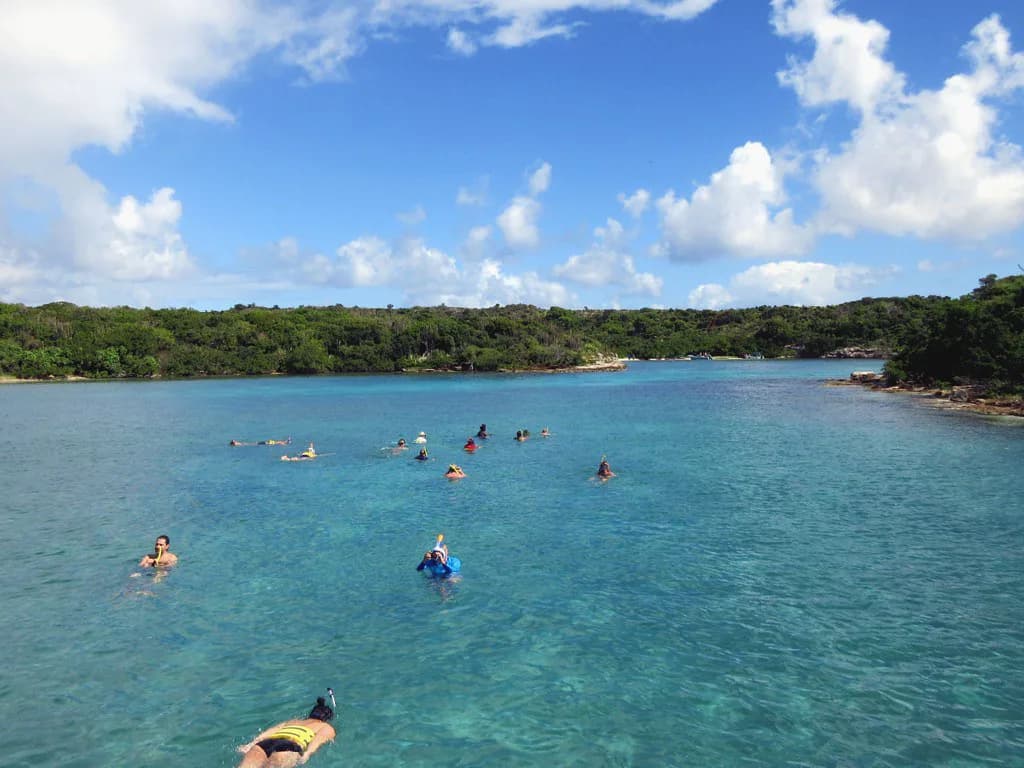
The Caribbean rewards snorkelers because so much of its reef sits close to shore in warm, shallow water, which means a mask, fins and a short swim can put you over coral and fish within minutes of leaving the sand. The islands below range from reef-off-the-beach convenience on Providenciales to charter-only reserves in the Exumas, so you can choose by entry type and comfort level rather than by postcard looks. If you are new to the mask and tube, start with our guide on how to snorkel and check current prices and dates before you go.
Why the Caribbean Delivers for Snorkelers
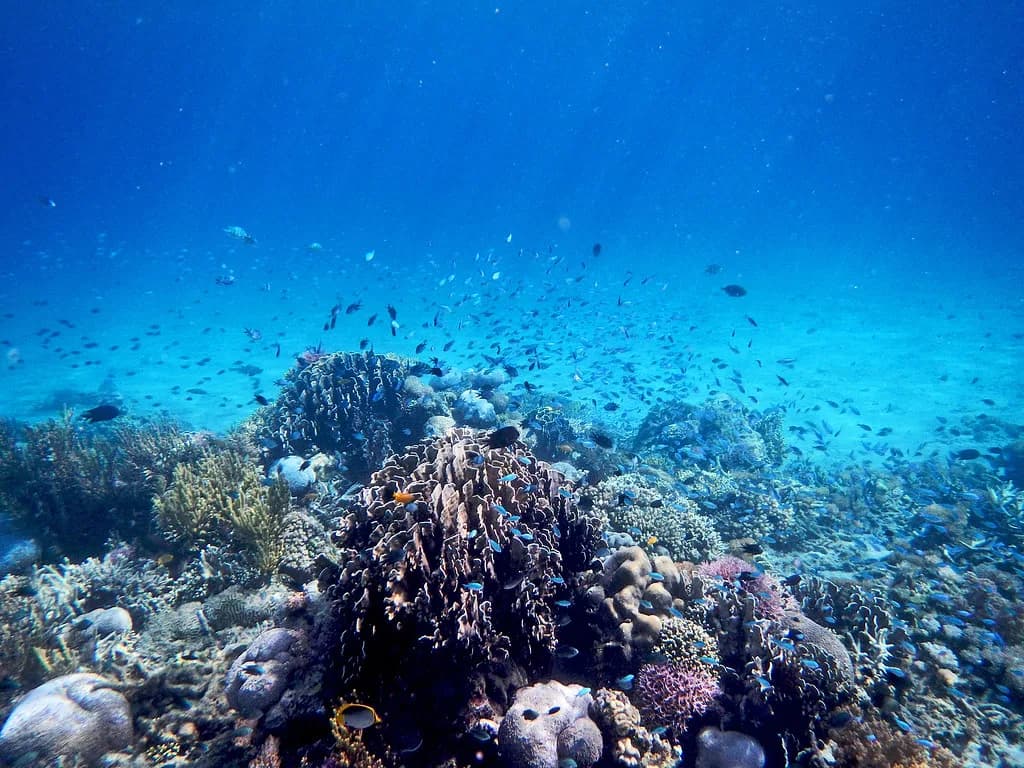
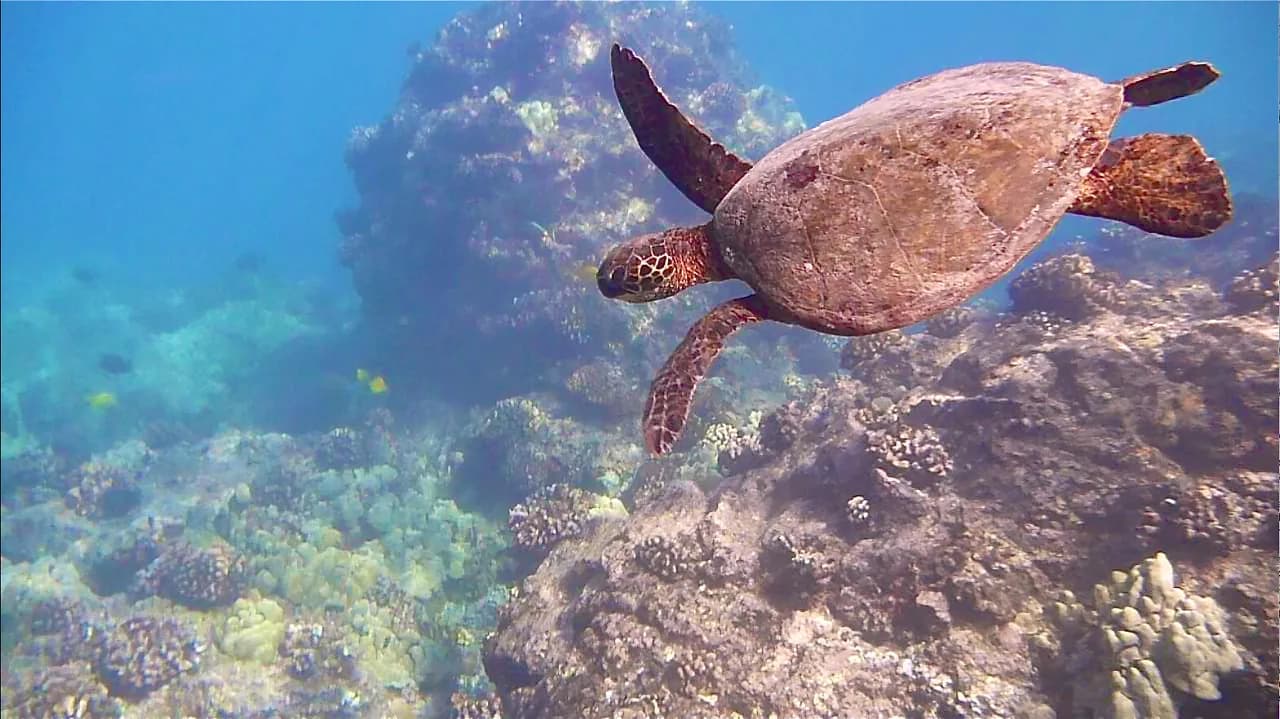
Across the region, snorkelers commonly encounter parrotfish, butterflyfish, snapper, grouper, sea turtles, eagle rays, moray eels and sponges on the same reef, which is why a single bay can keep a family busy for a whole morning. Reef structure varies just as widely: shallow coral gardens off a beach, barrier reef further out, seagrass beds where turtles graze, and blue holes and caves that drop away from the flats. That variety is the real reason the Caribbean suits both nervous first-timers and swimmers who want to cover ground.
Doctor's Cave Beach on Montego Bay is the easiest shore entry, with shallow, calm water and coral just offshore.
Depth and distance from shore decide how much of the day you spend swimming versus looking. A reef that starts a few fin kicks from the sand lets you do several short sessions with breaks on the beach, while a barrier reef or charter site trades that convenience for less crowded water and larger formations. Treat every sighting as possible rather than promised, and give animals room instead of closing in for a better look.
How to Pick an Island for Your Skill Level
Sort islands by how you get in, not by reputation. Shore entries with calm, shallow water suit beginners and kids, boat-only sites suit confident swimmers who are comfortable in deeper water and can follow a skipper's briefing, and sites with surf or current demand strong swimming. If you are weighing whether to add tanks to the trip, this comparison of snorkeling vs scuba diving explains the depth and skill differences clearly.
Trip style matters too. Resort-heavy coasts put you near a house reef you can walk to, while island chains with thin populations push you toward day boats and charters. Match the island to the number of water days you actually have, and leave slack for a windy day when the exposed side is choppy.
Turks & Caicos: Bight Reef and Smith's Reef off Providenciales
Providenciales is the shore-snorkeling capital of the Turks & Caicos for good reason. Bight Reef, also called Coral Gardens, extends roughly 350 feet from the beach according to the source, with butterflyfish, snapper, green turtles, grouper and stingrays over radiant coral, and you enter straight off the sand. Smith's Reef near Turtle Cove spreads across several reef systems, seagrass and sand patches, with queen angelfish, barracuda and green turtles among the likely sightings.
Both reefs sit inside the Turks & Caicos Barrier Reef system, described as the second largest of its kind in the Western Hemisphere and home to about 60 coral species and 250 fish species. That richness comes with crowds: Bight Reef is the island's best-known site, so early morning buys calmer water and fewer fins. Seagrass between reef heads is where turtles tend to be, so scan the grassy patches rather than racing to the coral.
Turks & Caicos Beyond Provo: Northwest Point and Boat Sites
Northwest Point Marine National Park bundles barrier reef, sea sponges, caves and seagrass beds into one protected area, and the source recommends joining a guided tour to reach the best sections. The surrounding landscape of wetlands and bird life makes it a fuller day out than a simple beach stop. Boat operators set their own schedules and rates, so compare what a trip includes before you commit.
The trade-off is straightforward: Provo's beach reefs are free to walk into and easy to repeat, while the northwest coast and outer barrier sites buy you bigger formations and thinner crowds at the cost of a boat seat and a fixed departure time. If you have only one water day, take the shore reef and keep it simple.
The Bahamas: Rose Island Reef and Stocking Island
Rose Island Reef is a shallow formation reached by boat, roughly a 25-minute ride from Nassau or 30 minutes from Paradise Island, where tropical fish, sea turtles, barracuda and stingrays show up over open coral. Day trips typically bundle lunch, snacks, drinks and snorkeling, which makes it an easy half-day for mixed groups. Because the reef is shallow, it also works for swimmers who prefer to stay near the surface.
Stocking Island off Great Exuma is a short boat ride from the Exuma mainland and pairs coral gardens with undersea caves, blue holes and plenty of marine life. The island's quiet shore makes it a good picnic-and-snorkel combination rather than a pure reef dash. Elsewhere in the Bahamas, the Andros Barrier Reef runs about 190 miles with more than 164 varieties of coral and fish, which is a boat-based day in its own right.
Exuma Cays Land and Sea Park: A No-Take Reserve by Charter
The Exuma Cays Land and Sea Park covers more than 176 square miles of reef, cays and sea and was the first marine reserve of its kind in the Bahamas. All wildlife inside is protected and fishing is prohibited, and the park is reachable only by private boat or charter. Those protections have let marine life thrive, which is exactly why the snorkeling is worth the boat ride.
Plan this as a full charter day rather than a spur-of-the-moment swim. Ask your operator which cays they cover, how much time is spent in the water, and whether snorkel gear is included, since charter arrangements vary by boat. The payoff is reef with far fewer fins around it than the beach sites near Nassau.
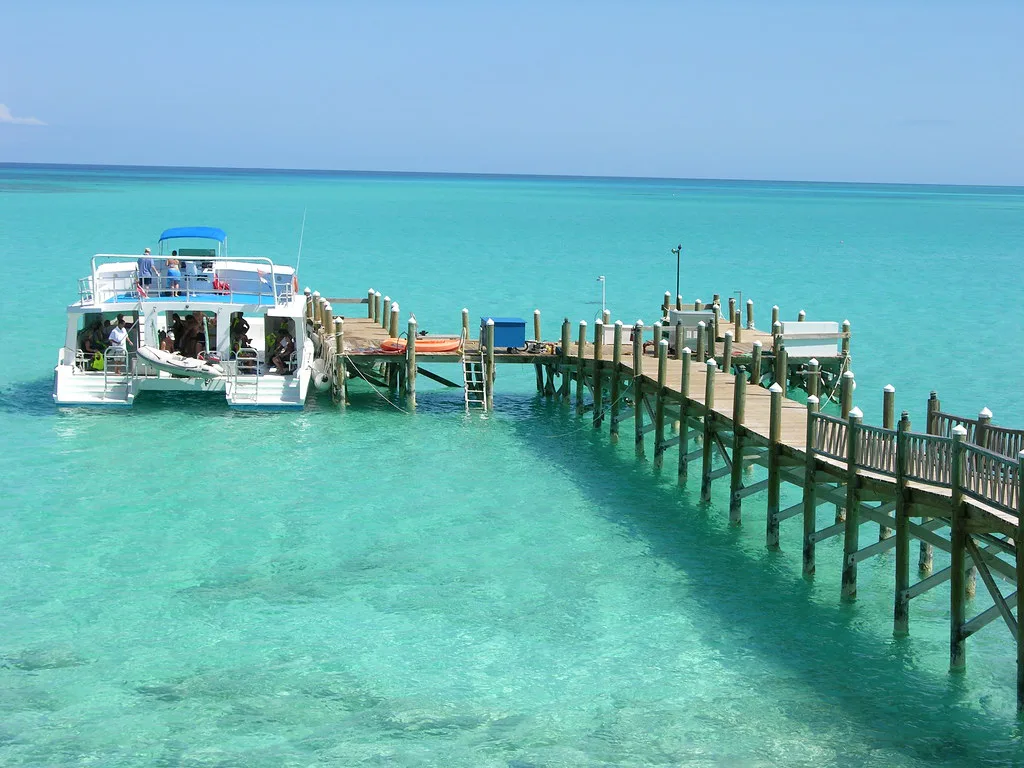
Jamaica: Doctor's Cave Beach and Runaway Bay
Doctor's Cave Beach on Montego Bay's north coast is small, shallow and calm, with coral formations just offshore and sea urchins, parrotfish and stingrays among the residents. The calm water makes it the gentlest entry on this list for beginners and children who want to stay close to the sand. Runaway Bay, along the same north coast past Ocho Rios, has a livelier reef with creole wrasse, sea urchins, stingrays and parrotfish, and several all-inclusive resorts sit right on it.
Booby Cay off Negril adds an island outing to the mix, with coral reefs, swimming and snorkeling, and hotel-run tours that supply equipment and food. Jamaica's roughly 600 miles of coastline and coral reef make it workable for both new and experienced snorkelers, and pairing a Montego Bay beach session with a Negril boat trip covers two very different days. Check the beach entrance and any club-run facilities with the beach operator on the day.
Puerto Rico and the U.S. Virgin Islands in Brief
Puerto Rico and the U.S. Virgin Islands round out the region by offering reef snorkeling within a U.S. territory framework, which simplifies phones, currency and flights for American travelers. Both island groups appear among the Caribbean favorites worth considering alongside the Turks & Caicos and Bahamas sites above. For a wider read on domestic options, see the best Snorkeling in the US guide, which covers how shore reefs work closer to home. If you want to skip the passport line entirely, our guide to snorkeling in St. Thomas lays out the best shore spots and boat reefs there.
Grenada and the Eastern Caribbean
The Eastern Caribbean adds a different flavor of site: Moliniere Bay in Grenada has an underwater sculpture park that gives snorkelers a structure to navigate around, and Tyrell Bay on Carriacou is a calmer, quieter alternative on the same trip. These sit in a chain where island-hopping by ferry or short flight is part of the plan.
Eastern Caribbean sites reward travelers who build in extra days, because wind exposure shifts by island and by coast. If a bay is choppy on the day you arrive, ask locally which side of the island is sheltered before writing off the day.
Matching Spots to Beginners, Kids and Strong Swimmers
Beginners and young children should head to Doctor's Cave Beach for its shallow, calm water, or to Bight Reef for a sand entry and a reef that starts just offshore. Strong swimmers with a boat seat should aim for Rose Island Reef, the Exuma Cays Land and Sea Park or Northwest Point, where deeper formations and charter access reward confident water skills. Mixed-ability groups often split the day: beach reef in the morning, boat trip later in the week once everyone knows their comfort level.
Kids do better with short, repeated sessions than one long swim, so pick a site where the beach is right behind you. Anyone moving from snorkel to scuba should understand how much deeper the dive profile gets, which is where Diving vs Snorkeling makes the jump clear.
Best Time of Day and Season for Calm Water
Morning usually brings the lightest wind and the flattest water, and it also gets you onto popular reefs like Bight Reef before the boats and beach crowds arrive. If you are deciding between an early start and a late afternoon, our guide to the best time of day to snorkel weighs light, wind and visibility. Ask your operator or beach concession which direction the swell is running before you commit.
Seasonal weather patterns and trade winds move the calm side of an island around during the year, so treat any fixed advice about months as a starting point. Local dive shops and charter captains track daily conditions and are the quickest way to know whether the exposed coast is worth the drive.
Hazards: Boat Traffic, Currents, Surf and Entry Surfaces
The most common hazards on these reefs are boat traffic near popular moorings, current along reef edges, surf on exposed coasts, and slippery ironshore or rock at entries. Beach entries on Provo and at Doctor's Cave are the simplest, while charter sites require you to follow the captain's briefing on where to stay in the water. Posted advisories at the beach or from the marine park authority reflect local conditions better than any general rule, so read them on arrival and snorkel within your own limits.
Do not chase animals or handle coral, and keep a respectful distance from turtles and rays as published wildlife guidance requires. A mask that fits and fins you can swim in matter more than any other gear choice when conditions turn choppy; this explanation of how does a snorkel work helps you set up a tube that clears easily.
Gear and Rules: Reef-Safe Practice and No-Take Zones
Reef-safe sunscreen, no touching or standing on coral, and no feeding fish are the basics that most marine parks in the region expect. The Exuma Cays Land and Sea Park is the strictest example here: it is a marine reserve where fishing is prohibited and all wildlife is protected. Follow whatever the park or beach operator posts, because rules vary by island and by site.
Pack a well-fitted mask, fins, a rash guard for sun protection and a dry bag for the boat, and confirm whether your charter supplies gear or expects you to bring it. A short-sleeve suit plus reef-safe lotion covers most shore sessions without weighing down your bag.
Combining Spots into a One-Island or Multi-Island Plan
On Providenciales, pair Bight Reef and Smith's Reef on separate mornings and add a Northwest Point boat trip for variety. In the Bahamas, base near Nassau for Rose Island Reef, then move to Great Exuma for Stocking Island and a charter into the Exuma Cays Land and Sea Park; our snorkeling in Bahamas guide helps you pick between the islands. Jamaica works as a two-stop trip: Montego Bay for calm beach snorkeling, then Negril for Booby Cay.
If you island-hop through the Eastern Caribbean, treat Moliniere Bay and Tyrell Bay as anchor stops with buffer days for wind. Booking boats early in the trip leaves room to reschedule if the sea turns rough later in the week.
Plan Your Caribbean Snorkel Trip
Start with the entry type that matches your group: sand entries at Bight Reef and Doctor's Cave Beach for beginners, boat trips to Rose Island Reef and the Exuma Cays for confident swimmers. Then build the itinerary around morning sessions, one boat day and a spare day for weather. Confirm departure times and gear with each operator directly when you book, and read the posted rules at each marine park before you get in the water.
Frequently Asked Questions
Which beach is best for snorkeling in the Caribbean?
Doctor's Cave Beach on Montego Bay is the easiest shore entry, with shallow, calm water and coral just offshore. Bight Reef on Providenciales offers a longer reef swim straight from the sand with turtles and rays among the regular sightings.
Which Caribbean island is easiest for beginner snorkelers?
Providenciales and Montego Bay are the simplest choices because you wade in from the beach to reach coral, with no boat required. Beginners can do several short sessions and rest on the sand between them.
Can you snorkel the Caribbean right off the beach?
Yes, at Bight Reef, Smith's Reef and Doctor's Cave Beach, where the reef starts close to shore. Other sites, including Rose Island Reef and the Exuma Cays Land and Sea Park, require a boat or charter.
What marine life will I see snorkeling in the Caribbean?
Likely sightings include parrotfish, butterflyfish, snapper, grouper, sea turtles, eagle rays, moray eels and stingrays, depending on the reef. Treat every animal as wild and keep your distance rather than pursuing it.
Is the Exuma Cays Land and Sea Park open to snorkelers without a boat?
No. The park is reached only by private boat or charter, and it is a marine reserve where fishing is prohibited and all wildlife is protected.
When is the calmest water for snorkeling in the Caribbean?
Early morning generally brings the lightest wind and flattest water, and it gets you to popular reefs before the boats arrive. Ask your charter captain which coast is sheltered on the day you plan to swim.
Sources
Snorkeling notes for your next trip
Optional updates to our snorkeling guides.
You might also like
Continue reading
More guides you'll find useful