Diving vs Snorkeling: Depth, Cost, and Skill Compared
Diving vs snorkeling comes down to depth, training, gear, and cost. Compare how each works so you can choose the right one for your next water day.
On this page
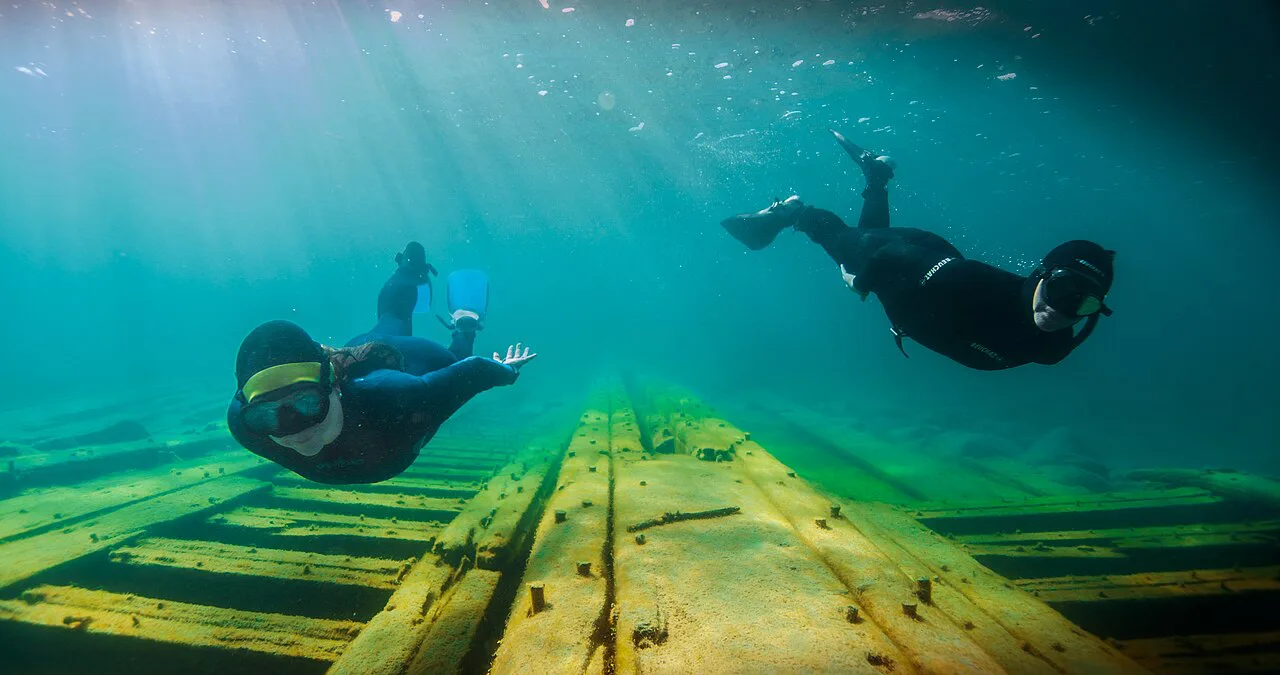
Snorkeling floats you over a reef with your face in the water and your back to the sky, while scuba diving drops you into the middle of it with a tank on your back. The first needs a mask, fins and basic swimming comfort; the second needs a course, a certification card and a taste for depth. Which one belongs in your day depends less on athletic ability than on how calm you feel in open water.
The clearest way to choose is to separate the two by the experience you actually want. If colorful fish over shallow coral and a quick swim from the beach sound right, snorkel. If you want to hover beside a wreck, a wall or a deeper reef, plan on training and a guided dive. This comparison walks through depth, gear, training, cost, safety and wildlife so you can commit to one.
Surface vs Underwater: How the Two Activities Differ
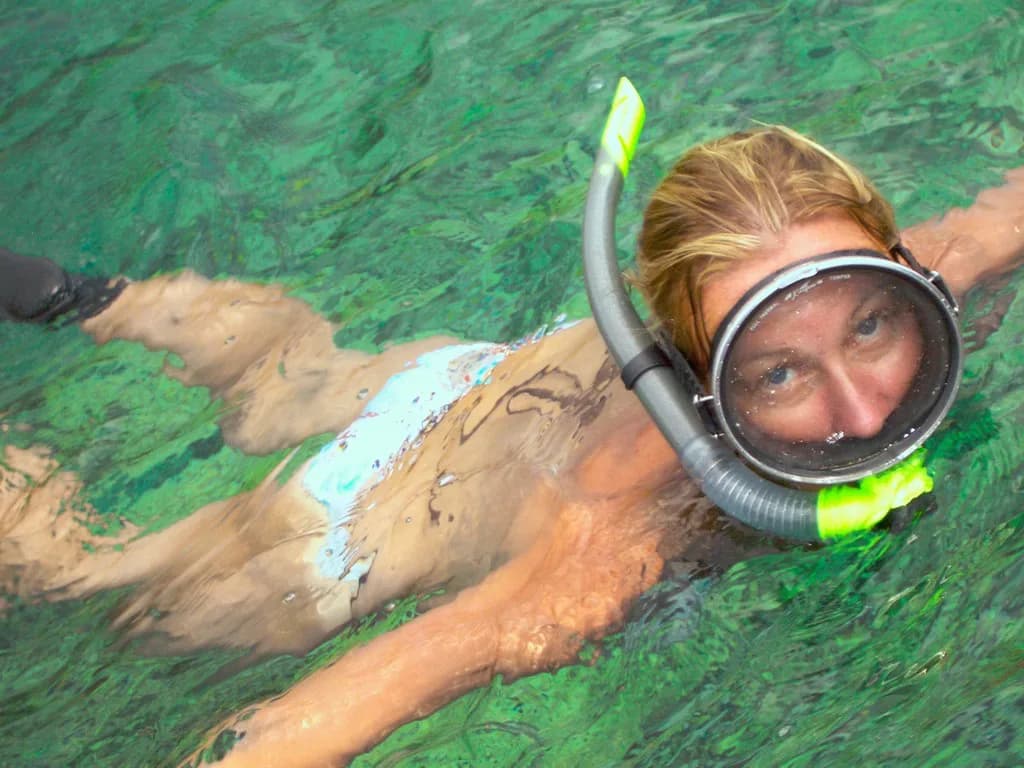
A snorkeler swims at the surface, breathing through a tube while looking down through a mask at the reef below. A scuba diver carries compressed air and can stay submerged for extended periods, exploring coral formations and marine life from inside the water column rather than above it. That single difference in where your body sits explains most of what follows.
Neither is universally better; they answer different wishes.
Neither activity is a test of toughness. Snorkeling is often described as the easiest way into the ocean, requiring no certification and only a few minutes of instruction, while scuba demands formal training in breathing technique, buoyancy and safety procedures. Treat the choice as a question of commitment: one afternoon versus a course that takes days.
Depth and Range: What You See From Above vs Below
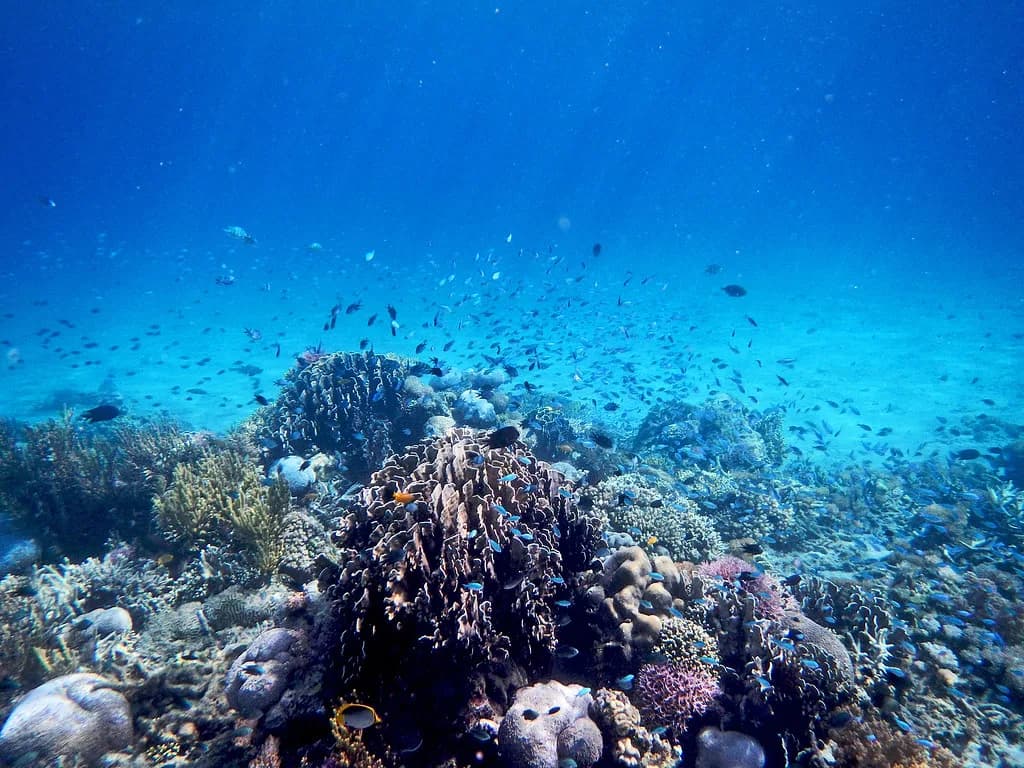
From the surface, a snorkeler sees what sits in the top few feet of the water column: reef crests, sand channels, and fish that rise toward the light. A dive opens that up, with trained divers reaching depths in the range of 30 to 100 feet or more depending on certification and equipment. The deeper reef, wrecks and caves are simply out of reach on a breath-hold.
Depth is not the only limit. A snorkel tube lets you breathe at the surface only, so any duck dive is held-breath and brief. Visibility governs both activities, and a murky or choppy day flattens the difference between them. Pick your day by sea state first, then by ambition.
Gear: Mask, Snorkel and Fins vs Tank and Regulator
The snorkeling kit is short: a mask, a snorkel, fins, and a wetsuit or rash guard for warmth and sun cover. Masks fit around eyes and nose, so glasses wearers usually switch to contact lenses or a prescription mask. Fins do most of the work, which is why fin fit matters more than brand.
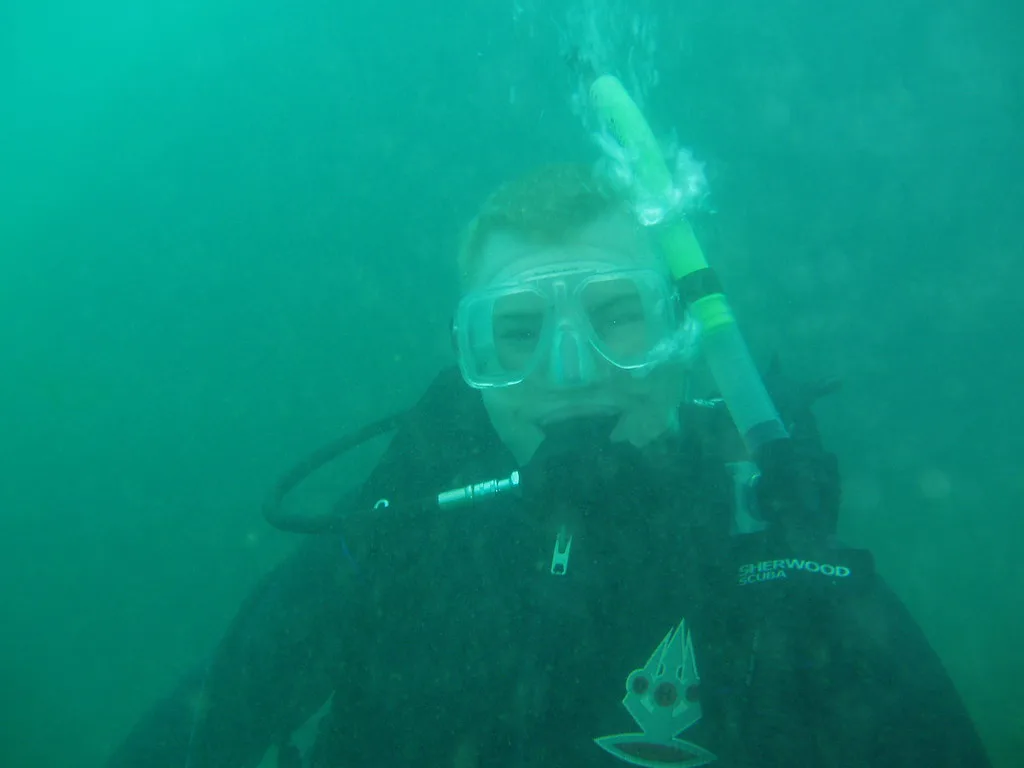
Scuba adds a buoyancy control device, a tank and regulator, weights and a dive computer to the same mask and fins. That gear is what lets a diver breathe underwater and control ascent and descent. For a beginner, it is almost always rented as part of a course or guided dive rather than bought.
Snorkel design gets overlooked. A dry snorkel with a top valve keeps splashes out when you are floating and talking, which matters more on choppy days than on flat ones. If you are choosing your first tube, read up on how a snorkel works before you buy.
Training and Certification: None vs a Course Card
Snorkeling needs no card. Basic swimming ability and comfort in the water are the real prerequisites, and a few minutes of practice with mask clearing and finning covers most of it. If you can float, kick and keep your face in the water, you can start.
Scuba requires certification from an agency such as PADI or SSI, earned through classroom work, confined-water practice and open-water dives. Some operators run a short introductory experience, but independent diving generally means a card. Certification courses can be completed in a couple of weeks, or compressed into a few days.
Who Each Suits: Swimming Comfort, Fitness and Age
Snorkelers should be able to swim and stay calm with their face submerged; a life vest or float helps many beginners, but basic strokes are still the foundation. Scuba asks for the same comfort plus reasonable health and fitness, and agencies screen for heart and lung conditions before training. Neither is the exclusive territory of strong athletes.
Age limits differ by agency and course rather than following one global rule, so ask the specific dive center running the program. Families often snorkel together because younger children can join with flotation and supervision. If swimming is the worry, a beginner plan for non-swimmers is worth reading before you sign up for anything.
Cost and Time Commitment
Snorkeling is the cheaper entry point, whether you rent a mask and fins for the day or buy your own kit once. Scuba involves the course fee, gear rental and any guided dives on top, so the outlay climbs quickly. Rates vary by shop and destination, so request a written quote from the dive center rather than estimating.
Time is the other cost. A snorkel session can slot into a morning before the wind picks up, while a certification course consumes days of a trip. If your vacation is short, a guided introductory dive is the usual compromise, but it will not make you a certified diver.
Safety Profile: Surface Hazards vs Depth Risks
Snorkeling hazards sit at the surface: sunburn, fatigue, waves and currents that push you away from shore. A diver faces those plus the specific risks of compressed air, including decompression sickness and nitrogen narcosis, which is why training and safety procedures carry so much weight. Both reward going out with a buddy and staying within your comfort zone.
Rough water changes the plan for either activity. High surf, poor visibility or a strong current is a reason to pick a sheltered bay or move to another day. For local advisories, the National Weather Service surf and rip-current pages are the source to read before you load the car.
Wildlife Encounters: Shallow Reef vs Deeper and Wreck Life
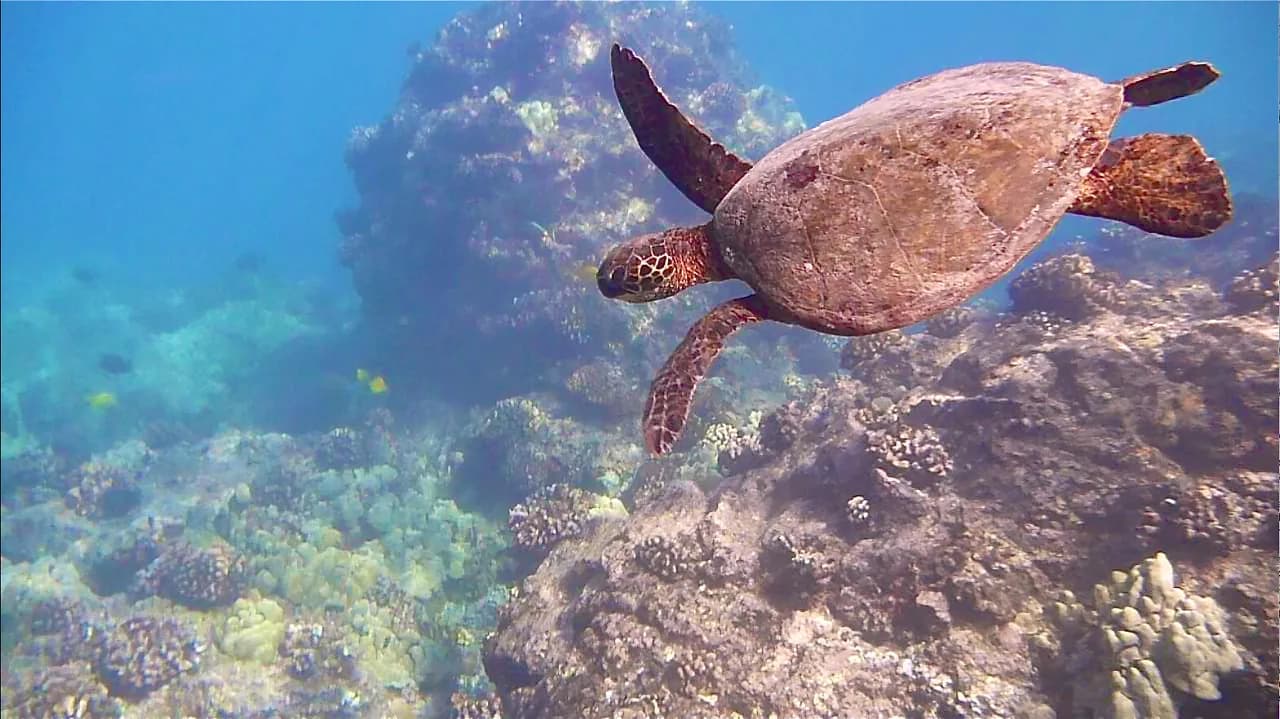
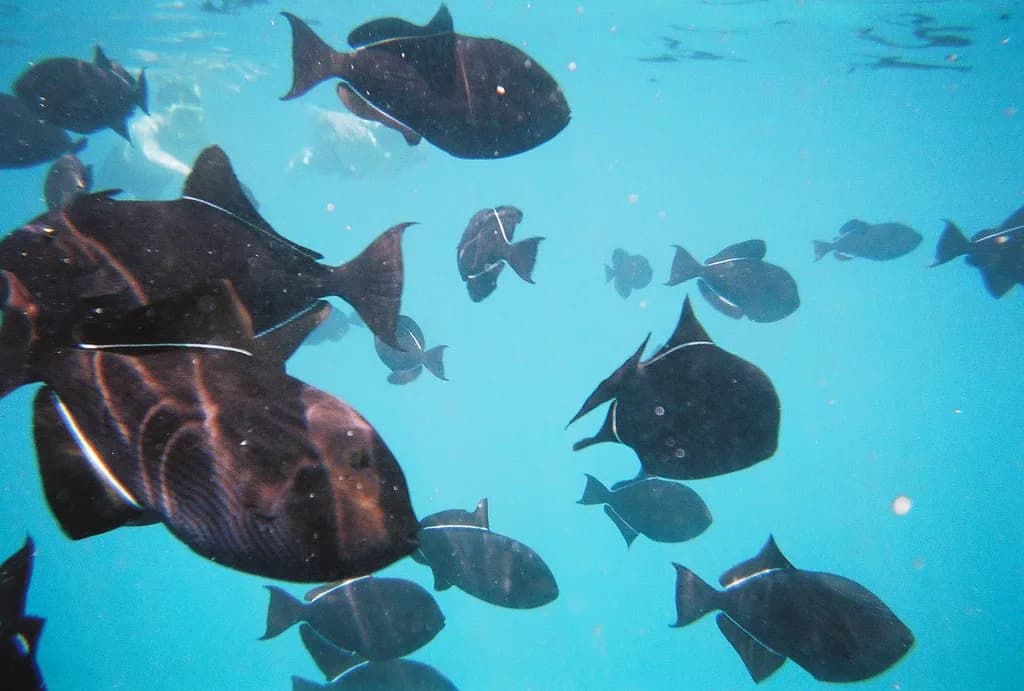
Over shallow reefs, snorkelers commonly see parrotfish, wrasses, sergeant majors and the occasional sea turtle surfacing for air. Divers reach the species that hold deeper or hug structure, from larger groupers to rays and reef sharks, and wrecks add their own communities. Neither activity guarantees a sighting, so treat any named species as a possibility, not a promise.
The ethics are identical at any depth. Do not touch, feed or chase marine life, and give turtles and other protected animals room to surface and breathe. Follow whatever distance guidance the managing agency posts at the site you visit.
Environmental Care: Sunscreen, Coral and Collecting
Reef-safe sunscreen and no-touch swimming protect the same corals whether you are floating above or diving beside them. Avoid standing on reef flats, kicking up sediment, or taking anything from the water. Many popular snorkeling sites sit inside marine reserves where these habits are legally required, which is one more reason to read the posted rules at the entrance.
Choosing for Your Trip: Families, Nervous Swimmers, Strong Swimmers
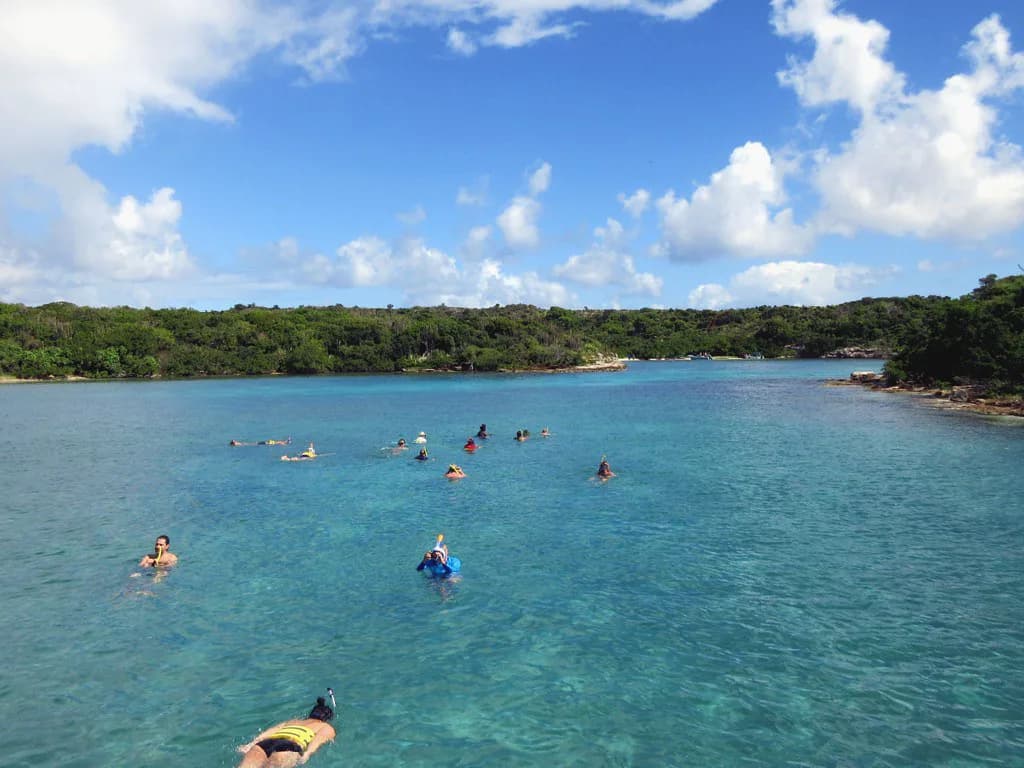
Families with mixed confidence usually get more out of a snorkel day, since everyone can be in the water together at their own pace. Nervous swimmers do better on a calm, shallow reef with a sandy entry and a lifeguard nearby. Strong swimmers with several days to spare can justify an entry-level scuba course instead.
Photographers should weigh what they want to shoot: wide reef scenes from above work well with a snorkel, while macro and wreck shots need a dive. Water clarity caps both, so match the activity to the conditions on your dates rather than the other way around.
A Sensible Progression: Snorkel First, Then Try Scuba
Start with snorkeling to learn mask clearing, finning and calm breathing at the surface; those skills transfer directly to a scuba course. If you love being in the water and want to stay longer and go deeper, book an entry-level certification with an agency such as SSI or PADI. Many dive centers run both, so one shop can carry you from your first float to your first dive.
Before any guided trip, ask the operator about group size, instructor ratios and what gear is included, and read the agency's safety standards rather than relying on marketing copy. That conversation tells you more about a dive shop than any brochure, and comparing the best snorkeling in the US gives you a list of shore-entry reefs where a first surface swim is easy to arrange.
Plan Your Water Day
Choose snorkeling if you want a simple, low-cost surface view of the reef with minimal preparation and family-friendly access. Choose scuba if you want depth, longer bottom time and the wreck and wall life that comes with it, and you are ready to invest days and dollars in training. Either way, let the day's sea state and your own comfort decide.
Whichever you pick, build the plan around the conditions rather than a fixed itinerary. Check the local forecast, talk to the dive shop or lifeguard, and keep a backup sheltered spot in mind. That flexibility is what turns a hopeful booking into a good day on the water.
Frequently Asked Questions
What is better, snorkeling or diving?
Neither is universally better; they answer different wishes. Snorkeling suits travelers who want an easy, affordable surface view of shallow reef with no certification, while scuba suits those who want depth, longer time underwater and access to wrecks and deeper structure. Pick by the experience you want and the days you can spare for training.
Can a non-swimmer do snorkeling?
Basic swimming ability and comfort with your face in the water are the usual foundation for snorkeling. Flotation aids and shallow, calm water help beginners build confidence, but they do not replace the ability to stay calm and move in the water. If swimming is a real concern, start in a pool or a sheltered bay with supervision before joining a group.
Is snorkeling safer than scuba diving?
Snorkeling avoids the specific risks of compressed air, such as decompression sickness and nitrogen narcosis, but it carries its own hazards: sunburn, fatigue, surf and currents that can carry you away from shore. Scuba is widely considered low-risk with proper training and procedures. Judged honestly, each is as safe as the conditions and your preparation allow.
Can you go fully underwater with a snorkel?
No, a snorkel only lets you breathe at the surface. You can duck-dive briefly on a held breath to look closer at the reef, then return to the surface to breathe through the tube. Staying submerged and breathing continuously is what scuba gear exists to do.
Do you need certification to snorkel?
Snorkeling requires no certification or formal course. A mask, snorkel, fins and a few minutes of practice with clearing your mask and using fins cover the basics. Scuba diving, by contrast, requires training and a certification card from an agency such as PADI or SSI before you dive independently.
How deep can a snorkeler see?
It depends on water clarity rather than your equipment, since the snorkel only lets you breathe at the surface. In clear tropical water you can see the reef below you quite well from the top few feet, and a short duck dive brings you closer for a moment. Anything deeper or longer is a job for scuba gear and training.
Sources
Snorkeling notes for your next trip
Optional updates to our snorkeling guides.
You might also like

Continue reading
More guides you'll find useful