Snorkeling vs Freediving: What Each Skill Lets You Do
Snorkeling keeps you at the surface breathing through a tube; freediving is breath-hold diving below it. Here is how the gear, skills and risks compare.
On this page
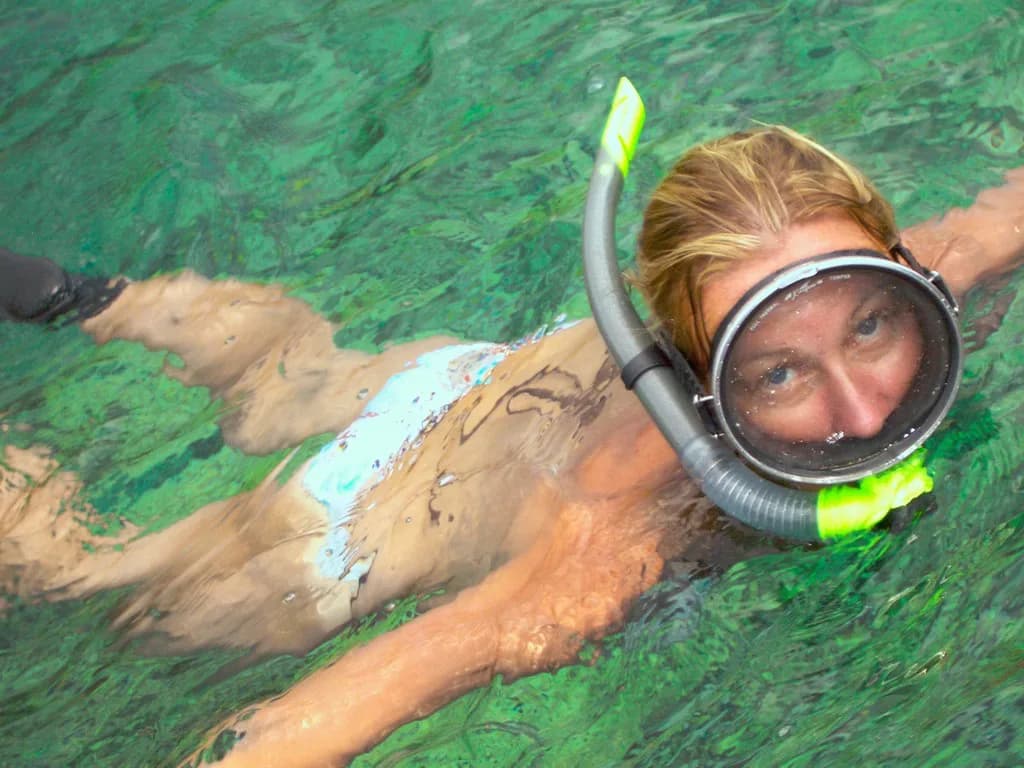
Snorkeling and freediving look almost identical from the beach: a masked swimmer, a flutter of fins, a face in the water. What separates them is breathing. A snorkeler stays at the surface and breathes continuously through a tube, while a freediver leaves the surface on a single breath to reach the reef below.
Once you know which of those you are doing, the gear, skills and safety planning fall into place. The same mask and fins can serve more than one discipline, but the fin stiffness, exposure protection and weighting differ, and the risks change with depth.
Why the difference matters before you buy gear or book a trip
A shop can sell you a mask and fins that work for either activity, but everything after that diverges. Snorkelers enjoy the sport with minimal experience, which is why it is the most accessible entry point for families and new swimmers. Freediving asks for breath-hold skill and regular practice, and the gear is built around going down rather than staying up.
You can, but the tube floods as soon as it goes under, and you must clear it before breathing again at the surface.
When you book a boat, the difference becomes practical. Tours marketed to snorkelers typically assume everyone floats at the surface, while freediving-focused trips expect you to dive unaided to depth. Ask which style the boat runs before you pay, then match your training and comfort level to it.
What snorkeling is: surface swimming with continuous breathing
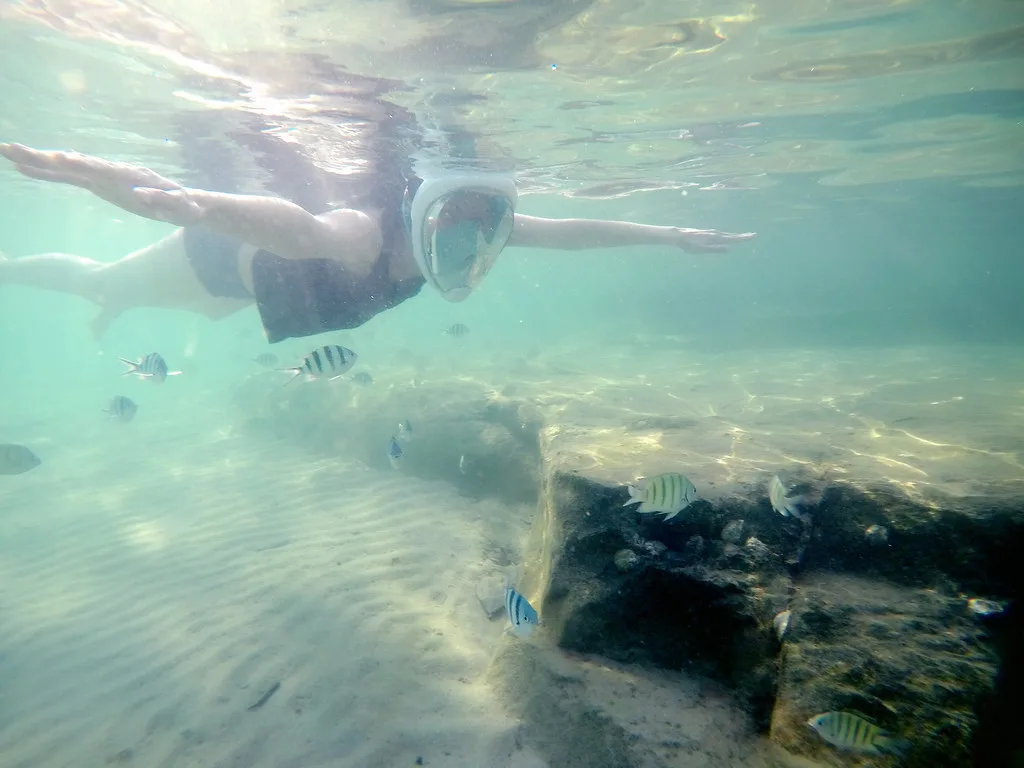
Snorkeling means you stay on the surface, looking down through a mask and breathing through a snorkel without raising your head. It is the most popular of the underwater disciplines and the one you can enjoy with the least experience, so it suits beginners and mixed-ability groups well.
Snorkelers often wear a rash guard or wetsuit for exposure protection, though water temperature dictates whether a full suit is needed. Some also wear flotation vests, particularly if they are not strong swimmers, since a vest adds rest and confidence at the surface. If breathing technique is new to you, start with the basics of how to snorkel before adding depth to your day.
What freediving is: breath-hold dives below the surface
Freediving is built around staying underwater for as long as possible on a single breath. It has grown quickly in popularity and is largely a competitive sport, with disciplines that range from lying face-down in a pool holding your breath to covering as much distance as you can horizontally or vertically. Freedivers spend little time at the surface apart from recovery intervals between dives.
The gear communicates the difference instantly: freedivers use masks closer to a blend of dive mask and swim goggles, generally do not use snorkels, and wear wetsuits. Their fins are usually very long full-foot models or a single monofin. If breath-hold diving is your goal, that equipment list is the one to study.
Freediving and skin diving: where the line sits
Skin diving is the older name for the middle ground between snorkeling and freediving. A skin diver stays at the surface breathing through a snorkel, then makes breath-hold dives down to look at objects or marine life, so the session alternates between floating and descending. Many advanced snorkelers end up practicing skin diving without ever calling it that.
The discipline difference shows up in weighting. In open discussion, freedivers and skin divers typically wear a weight belt, while surface snorkelers do not. If you only ever float and look down, weights work against you; if you dive repeatedly, controlled weighting helps you descend without frantic kicking.
Gear compared: mask, snorkel, fins, exposure protection, weights
Build the shared layer first: a well-fitting mask and a snorkel you can clear confidently. Snorkeling fins are softer than scuba fins and slip over a full foot rather than using a heel strap and boots, which makes them easy to kick for long surface swims. A dry snorkel with a top valve helps keep water out when you float and look around.
Freediving fins are long and stiff, built for efficient deep kicks rather than hours of shallow cruising, and freedivers skip the snorkel for the descent. Exposure protection differs too: snorkelers commonly wear a rash guard or wetsuit, while freedivers almost always wear a wetsuit. If you move from floating to breath-hold diving, expect to change fins and add a weight belt.
Can you go underwater with a snorkel?
Yes, but the tube stops working as a breathing device once it is submerged. A conventional snorkel is open at the top, so when you dip below the surface the opening floods, and on the way back up you have to clear it before taking a normal breath. That clearing step is a skill worth practicing in shallow water before you dive on a reef.
For short duck-dives and skin diving, you can hold a breath, descend with the tube in your mouth and clear it on surfacing. For anything longer or deeper, the freediving approach makes more sense: leave the snorkel behind, breathe up properly at the surface and dive on a held breath. The tube is a surface tool, not a diving one.
Skill and training: what each discipline demands
Snorkeling asks for basic water comfort, calm breathing and the ability to clear a mask and snorkel. A first-timer can usually be floating and looking at fish within minutes, which is why it is the least experience-hungry option on the list. Add a flotation vest and a calm, shallow entry and a nervous swimmer can join the day.
Freediving is a trained discipline rather than a casual skill. It involves breath-hold practice, equalization, buddy procedures and supervised progression, and competitive freedivers train specifically for depth and distance events. Even recreational skin divers benefit from instruction in safe breath-hold diving rather than teaching themselves by trial on a reef.
Depth, time and what you can actually see on a reef
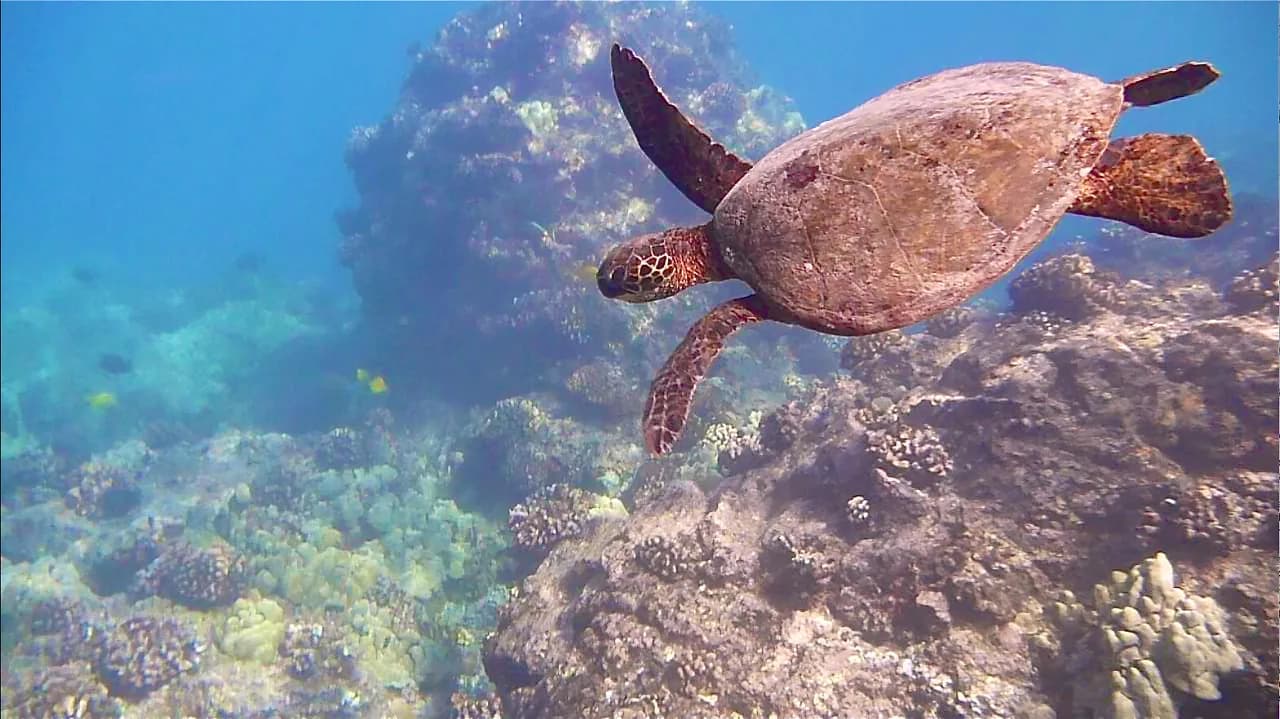
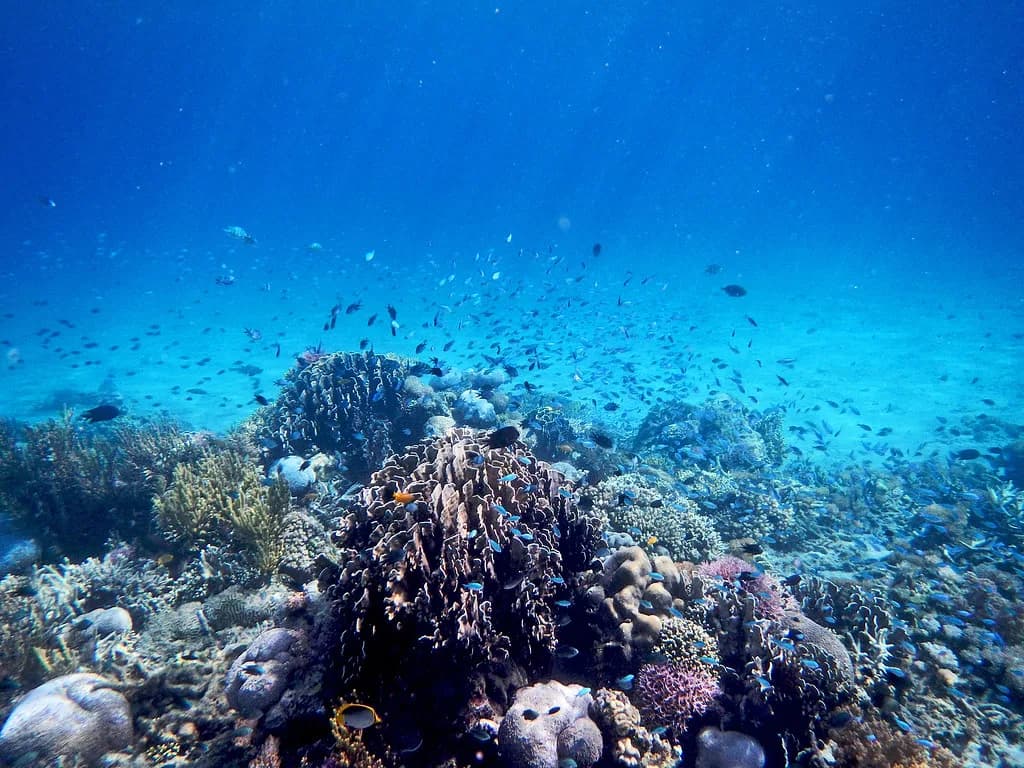
Surface snorkeling covers a wide corridor of the reef: the top of the coral heads, sand channels and the mid-water where turtles and rays pass. Because you never leave the surface, you can keep moving for a long time without recovery breaks, which is an advantage on large fringing reefs. The trade-off is that anything living under an overhang stays out of view.
Breath-hold diving lets you drop into the shallow structure and look beneath ledges, which is where you find close coral detail and many hiding fish. The catch is that each dive costs breath and recovery time, so your coverage shrinks even as your view improves. A realistic reef day uses both: snorkel the perimeter, then breath-hold the shallow structure once you have settled.
Who each suits: kids, nervous swimmers, strong swimmers, photographers
Children and nervous swimmers belong at the surface, with a flotation vest, a shallow entry and a buddy close by. Strong swimmers who want distance and wildlife can cover much more ground snorkeling than diving, and photographers who shoot downward get steady framing while floating. Families usually get more out of a snorkeling day than a freediving one.
Freediving suits swimmers who are already confident underwater and willing to train, and underwater photographers who want to approach a subject from below. If you are unsure which side of the line you sit on, read how diving vs snorkeling routines differ before committing to a course or a charter.
Breath-hold limits and the risks that come with pushing depth
Every breath-hold dive is a controlled risk, and the risks grow with depth, repetition and time underwater. Loss of consciousness underwater is the central concern in breath-hold sports, which is why supervised training, one-up-one-down buddy diving and conservative limits matter more than personal bests. Treat breath-hold ability as a training question, not a challenge to win on a holiday reef.
Surface snorkeling carries its own set of risks, mainly related to breathing through a tube, fatigue and drifting away from the boat or shore. A flotation vest and a buddy reduce the load, and choosing calm water on a given day is part of the plan. Neither discipline promises clear water or calm seas, so build your day around what the ocean is actually doing.
Why freediving after scuba needs a surface interval
Scuba diving leaves residual nitrogen in your body because you breathe compressed gas at depth. Freediving afterward stacks repeated breath-hold dives on top of that load, which is why the two activities are kept apart in a day's plan. The scuba side of the equation explains the difference in how each discipline manages breathing.
The practical move is to separate them entirely: snorkel the day after a scuba dive instead of breath-hold diving. Snorkelers stay near the surface and are not adding descent after descent to a nitrogen load. If you have completed a certification course or a guided scuba trip, follow the surface-interval guidance from your training and instructor rather than working it out from a forum thread.
Hazards on a snorkel day versus a freedive day
A snorkel day turns on surface conditions: current pushing you off a headland, chop filling the tube, sun exposure over hours, and boat traffic where the reef sits near a channel. A buddy, a flotation vest and an easy exit point handle most of these. Stay on the surface unless you have trained and have someone watching you.
A freedive day turns on what happens underwater: equalization pressure on the descent, a buddy who can rescue you at depth, and the temptation to repeat dives without proper recovery. Competitive freediving disciplines are held under supervision for exactly this reason. On a reef, that means one buddy up and watching while one diver descends, and no diving on a full breath you have not earned.
Boats, buddies and supervision: how tours differ
A snorkeling tour is usually a surface experience: a guide in the water, a swim line or float, and a schedule built around shallow reef. Groups are mixed because the skill bar is low, and the day often includes more than one stop. Ask what depth the boat anchors over and whether the guide is in the water with you.
A freediving tour or clinic is a training environment with supervision, a buddy system and a depth plan. The boat may anchor in deeper water, and the day will include recovery time between dives rather than a continuous surface swim. If you only want to look at fish, a snorkeling trip will almost always give you more time in the water.
How to build a snorkeling day that includes easy breath-hold dives
Start the session at the surface and spend the first stretch letting your breathing settle while you map the reef from above. Note the shallow coral heads and sandy channels that are easy to reach without effort. Once you know where the structure is, a short duck-dive to look under a ledge costs little and returns a lot.
Keep each breath-hold dive shallow, brief and done with a buddy watching, and return to floating to recover properly between attempts. Wear a flotation vest for the surface portions if that helps your confidence, and take it off only for brief dives if you have the training to do so safely. The best sessions feel mostly like snorkeling with a few short descents built in.
Combining both on one reef trip: a realistic plan
Book a snorkel-friendly boat, position yourself on the shallow side of the reef and use the first half of the time to float across the top of the structure. That covers the turtles, rays and schooling fish that pass through open water. Then, once you know the layout, make a handful of controlled breath-hold dives over the coral heads while your buddy stays up.
Plan the return before you get absorbed. Set a turnaround point, keep your exit in sight and end the session while you still have energy for the swim back. Combine spots on land the same way, pairing a sheltered snorkel bay with a shallower second stop for easy breath-hold practice. For destinations that fit, Hanauma Bay and Molokini Crater both appear in the wider guide to the best snorkeling in the US, and both reward a surface-first approach.
Choose the Discipline That Fits Your Day
Snorkeling is the surface discipline: continuous breathing through a tube, minimal experience needed, and the widest view of an open reef. Freediving is breath-hold diving below that surface, a trained sport with its own fins, weighting and supervision needs. Skin diving sits between them and is the natural path for a snorkeler who wants short, controlled descents.
Plan your first reef day around the skill you actually have. Start with surface snorkeling and a flotation vest if you are new, add supervised breath-hold practice once you are comfortable, and keep scuba and freediving on separate days. Choose calm water, a buddy and a clear exit, and the rest of the day takes care of itself. If you are weighing where to take that first surface session, our guide to snorkeling in Channel Islands is a good place to start planning.
Frequently Asked Questions
Can you go fully underwater with a snorkel?
You can, but the tube floods as soon as it goes under, and you must clear it before breathing again at the surface. For longer or repeated descents, leave the snorkel behind and dive on a held breath the way freedivers and skin divers do.
What is the difference between skin diving and freediving?
Skin diving mixes surface snorkeling with breath-hold dives to look at the reef, so you spend much of the session floating and watching through the tube. Freediving is organized around breath-hold performance, with competitive disciplines and a stronger emphasis on training and supervised depth work.
Do you need a weight belt for snorkeling?
Surface snorkelers generally do not wear one, because the goal is to stay up and breathe through a tube. Freedivers and skin divers commonly wear a weight belt to descend with control, which is one of the clearest gear differences between the two activities.
Why should you not freedive after scuba diving?
Scuba diving leaves residual nitrogen from breathing compressed gas at depth, and repeated breath-hold dives afterward add risk rather than information. Keep them on separate days and follow the surface-interval guidance from your scuba training and instructor.
How long do free divers hold their breath?
Times vary widely with training, discipline and conditions, and competitive events are held under supervision for that reason. Do not measure yourself against competition numbers; build breath-hold capacity gradually with a buddy and instruction instead.
Is snorkeling safe for non-swimmers?
It can be, with a flotation vest, shallow calm water, a hand-holding buddy and a guide nearby. Non-swimmers should stay at the surface and skip breath-hold dives entirely until they have built water confidence and training.
Sources
Snorkeling notes for your next trip
Optional updates to our snorkeling guides.
You might also like
Continue reading
More guides you'll find useful