Snorkeling in the Rain: When It Works and When to Skip It
Rain alone rarely ruins a snorkel day. Learn how wind, swell, runoff and visibility decide whether you get in, and how to stay warm on gray days.
On this page
A wet forecast is the most misunderstood input in snorkeling. Rain falling on your shoulders says little about what the reef is doing eight feet below, and many gray mornings turn into calm, uncrowded sessions. The decision that matters is whether wind, swell, runoff and visibility line up, not whether a weather icon shows a cloud with drops.
This guide is for shore snorkelers and tour bookers who want a real go/no-go call rather than a blanket rule. You will get a way to read the forecast the morning of your swim, a warm-water versus cold-water comparison, and the specific signals that end the day. If you are still new to the water, start with the fundamentals in how to snorkel before you plan around weather.
Why Rain Itself Matters Less Than Wind, Swell and Runoff
Rain mostly changes the surface and the shoreline, not the animals or the reef structure. A short shower over open water leaves the sea nearly unchanged, while a heavier downpour pushes dirt and fresh water toward the coast. Kona sits on the leeward side of the Big Island, so showers there tend to pass quickly, which is why a damp afternoon does not automatically cancel a night in the water.
Generally yes, as long as wind, swell and visibility are manageable and there is no thunder or lightning.
The three conditions that actually disrupt a snorkel are wind, swell and runoff. Wind builds chop that makes surface swimming tiring and pushes you off your line; swell stirs sand and surges over shallow reef; runoff muddies the water right where most shore entries sit. Read those three first, then treat rain as a secondary factor that tells you how comfortable the walk back to the car will be.
Visibility is the practical link between rain and your experience. When the water clouds up, the scene softens and you see less of the reef even if you are floating right over it. That is a quality-of-experience issue rather than a safety one, and it is the reason a heavy storm the night before can matter more than drizzle during your swim.
What Rain Does to the Water: Surface Chop, Runoff and Visibility Near Shore
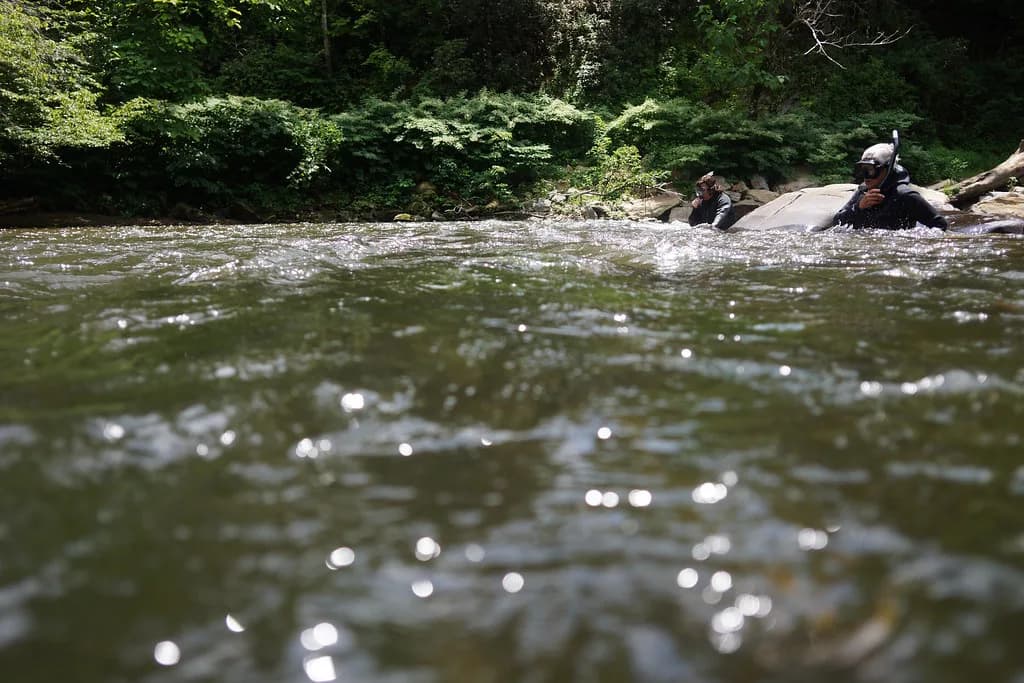
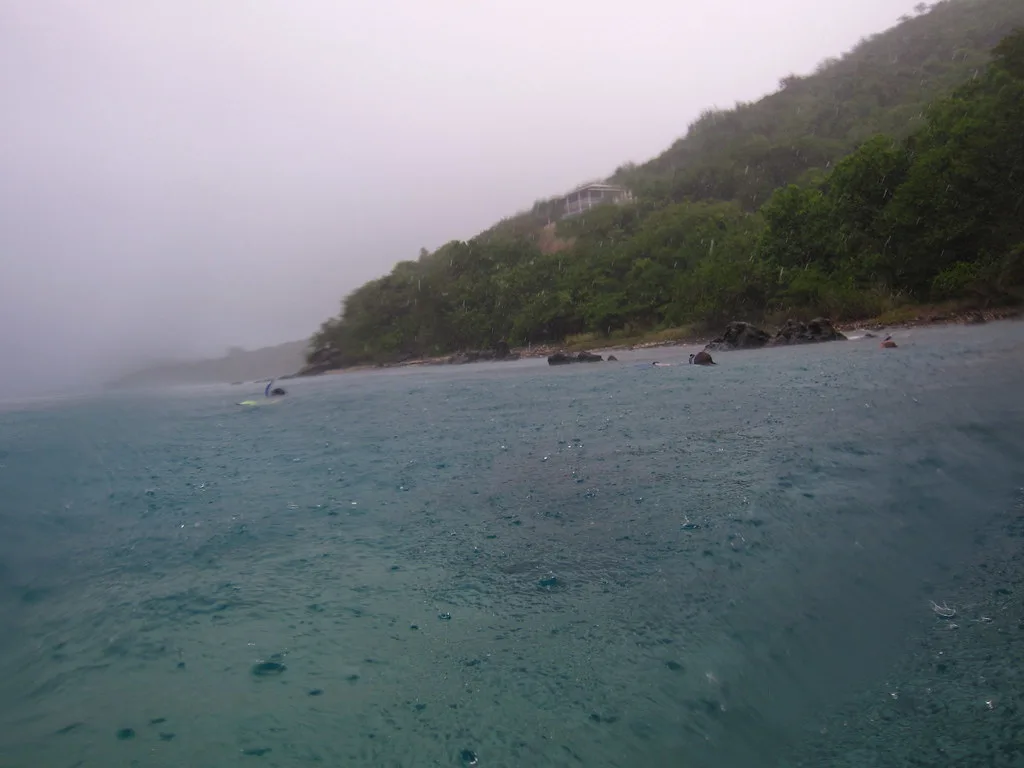
Near shore, the first thing a downpour changes is water color. Brown plumes at the shoreline are suspended sediment and fresh runoff, and they usually sit exactly where you would wade in. Move your entry farther from stream mouths, drainage channels and storm outfalls, or pick a different site for the day.
Surface chop is the second effect, and it is mostly a wind story rather than a rain one. A smooth surface after a shower is a good sign; short, steep waves building through the afternoon are not. If the surface stays glassy, scattered showers are usually manageable, and the water can feel clearer once you move away from the immediate shoreline.
Visibility is the variable that decides whether the swim is worth it. Reduced clarity after rain is normal, and snorkelers commonly report murkier, slightly rougher water during wet weather. A site that is usually clear can drop off for a day or two after a big storm, so give a murky shoreline a pass and look for a coast that stayed dry.
How to Read a Wet Forecast the Morning of Your Snorkel
Work in a fixed order so the forecast does not overwhelm you. Start with swell height and period, then wind speed and direction, then recent rainfall, then the hourly rain chance. Rain chance comes last because it is the least predictive of underwater conditions, and a 60 percent chance of showers can still mean a calm, swimmable morning.
Next, look at the water itself before you commit. From a high vantage point, check for brown plumes, whitecaps and long lines of swell wrapping into the bay. If the surface is smooth and the water color looks normal past the shoreline, a light or scattered shower is not a reason to cancel.
If you booked a tour, ask the crew straight questions rather than watching the radar. Crews care about visibility, wind and whether runoff has changed the water color, and they see the harbor report before you do. If you are weighing whether to commit at all on a marginal day, prepaid trip policies are worth reading before you pay, and it is still worth checking current conditions with the crew on the morning of your trip.
Leeward Versus Windward Coasts: Where Showers Pass Quickly
Islands split their weather by side. Leeward coasts sit in the rain shadow of the interior mountains, so showers tend to be brief and scattered, which is why Kona on the Big Island often dries out fast after a damp afternoon. Windward coasts face the trade winds and collect the heavier, longer-lasting rain, along with the swell that comes with it.
On a wet day, that difference gives you a practical lever: drive to the leeward side. A bay that is gray and choppy on the windward coast can be calm and swimmable a short drive away. The trade-off is that leeward sites are often the busier ones, so an early start buys you both calmer water and a parking space.
In California, the same logic applies to headlands and coves. A cove sheltered from the dominant swell and wind stays clearer and flatter than an exposed open-coast beach a few miles away, even under identical rain. Pick your site by orientation to swell and wind, not by which beach is closest.
When a Rainy Day Still Works
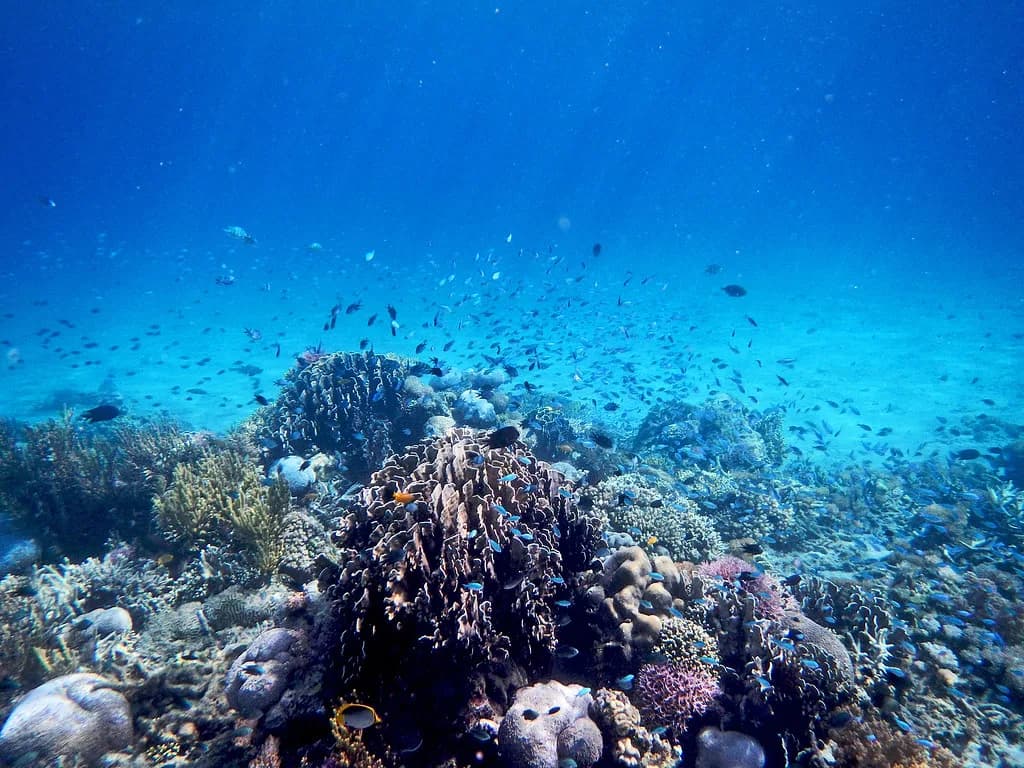
A rainy day is workable when the rain is brief or scattered and the surface stays smooth. Light showers with decent visibility once you are away from shore, and no building chop or growing swell, are the combination to look for. Under those conditions the reef fish often show well and the water can feel surprisingly clear once you are away from the shoreline.
Overcast rain days carry a real upside: fewer people. Popular shore sites empty out when the sky turns gray, so you get easier parking, more room at the entry and a quieter reef. If you can tolerate being wet and cool on land, the swim itself is often better than on a sunny, crowded weekend.
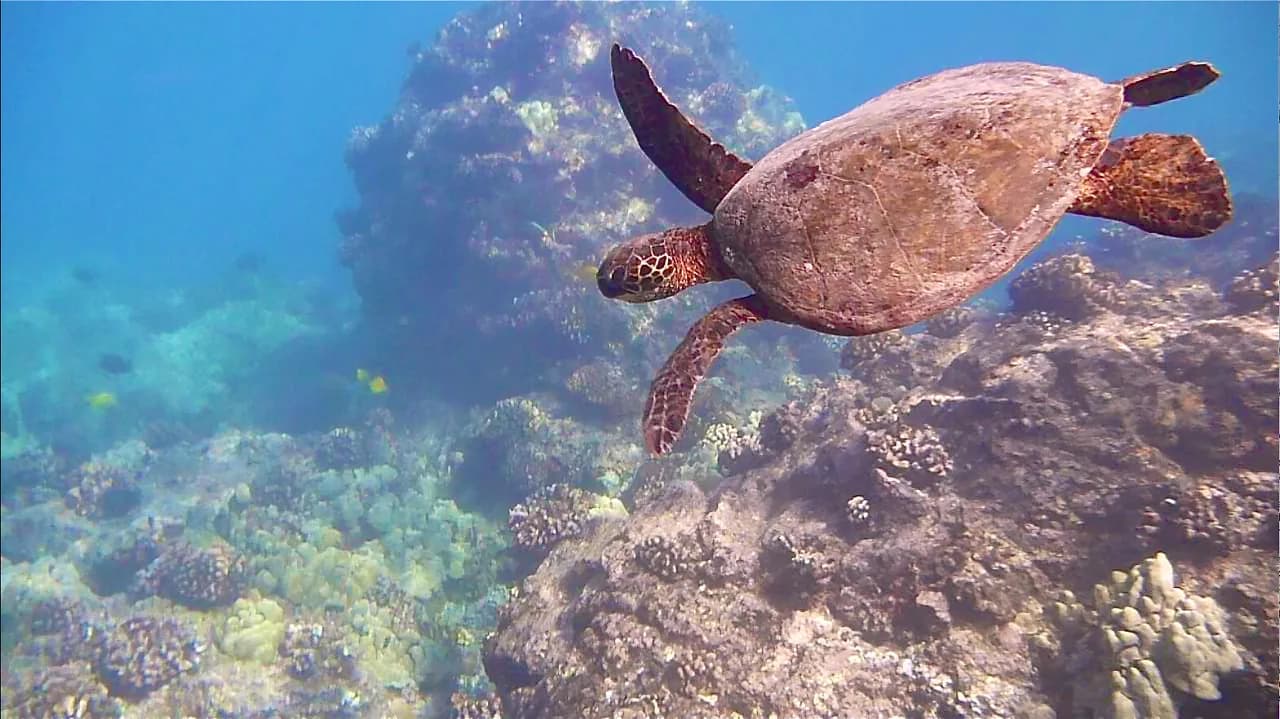
Rain also does not put fish off. Saltwater fish feed on their own schedule tied to light, tide and current, and a shower at the surface is not on that list. Expect normal fish behavior and plan your session around tide and light instead of the radar.
When to Reschedule
Some signals are a clear no. Brown water near the shoreline, strong wind building through the afternoon, big surf alerts or long-period swell, and thunder or lightning anywhere near the coast are all reasons to move your swim to another day. When the sea has turned, waiting is the smart call, and crews will tell you plainly if conditions have soured.
Lightning is the hard stop. Thunder means you leave the water and the beach immediately and wait well past the last strike, regardless of how good the reef looks. No forecast or guide can make an electrical storm safe to swim in, and a boat in open water is the worst place to be.
Rescheduling is easier when you build slack into the trip. Book water days early in your stay rather than on the last morning, and keep one flexible day as a backup. That way a blown-out day costs you a land day rather than the whole snorkel portion of the trip.

Staying Warm: Layers, Towels, Dry Clothes and Post-Swim Plans
Cold catches up with you on gray days, especially on long floats under overcast skies. Even warm water feels cool after you have been in it for a while, so ask about wetsuit or extra flotation before you go if you chill easily, and bring a towel and dry clothes for the ride back.
Dress in layers you can shed at the water's edge and pull back on wet. A light windproof shell over a rash guard, a warm hat and a dry towel in a dry bag make the difference between a pleasant session and a miserable one. Plan your post-swim stop in advance: a warm cafe or a car with the heater on is half the recovery.
Shorten sessions rather than pushing through a chill. Two 30-minute swims with a warm, dry interval on the beach beat one long float that leaves you shivering. Kids lose heat faster than adults, so plan rainy days around shorter, more frequent dips with warm layers in between.
Gear That Helps in Gray Weather
Start with fit, because a leaking mask ruins a cold session faster than anything else. A properly sealed mask means less water in your eyes, less stopping and less time with your head up in the wind. If yours fogs or leaks, the breathing and clearing basics in how does a snorkel work will fix most of the problem before you blame the weather.
For exposure, a rash guard adds a little warmth and sun protection, and a thin neoprene top or shorty wetsuit is the step up for cool, overcast days. These are not the same as the dry suit used in cold-water diving, which seals you off from water entirely and is overkill for surface snorkeling. If you are curious where that line sits, diving vs snorkeling explains the difference in exposure protection and buoyancy.
Fins help more in chop than people expect, because they let you cover distance without raising your head and catching wind. A dry bag keeps spare layers and a phone usable, and a small towel clipped to your bag means you are not searching for one when the rain arrives. Choose gear from published fit and materials information rather than promises about performance.
Cold-Water Versus Warm-Water Rain Days: California and Hawaii Compared
In Hawaii, a rain day is mostly a comfort and visibility question. Water temperatures stay swimmable, so the main risk is getting chilled during long, overcast floats, which a thin neoprene layer and a warm towel solve. The bigger variables remain wind, swell and runoff near the shoreline.
In California, rain arrives with a colder ocean and a bigger swell, so the balance shifts toward exposure and entry risk. A gray day in the 60s or low 70s on land can mean cool water that rewards a thicker wetsuit, and wet rocks at the entry get slippery fast. Check the swell first and treat rain as the second question.
The practical takeaway is to pack differently, not to cancel differently. Warm-water trips need a dry layer and a short session plan; cold-water trips need real thermal protection and a backup site sheltered from swell. Both benefit from the same morning-of reading of wind, swell and water color.
Snorkeling from Shore Versus by Boat on Rainy Days
Shore snorkeling gives you control on a wet day. You can look at the water before you commit, walk away if the entry is slick, and pick a different cove. The trade-off is that you own the go/no-go call and the entry risk, and parking near popular sites fills early on gray weekend mornings.
Boat snorkeling shifts the decision to the captain, who sees the sea state firsthand and knows whether visibility has held after rain. That is a real advantage in marginal weather, but it also means committing before you see the water. Ask how the crew handles weather calls and rescheduling before you pay, not after.
On a rainy evening, boats also mean a longer, colder ride back. Bring dry clothes, a towel and a light layer for the return, and arrive early because wet roads slow traffic around harbors. A little extra time on the front end is cheaper than missing the departure.
Rain, Lightning and Open Water: Why Thunder Ends the Swim
Thunder is not a comfort issue, it is a hazard boundary. Lightning can strike water and nearby beaches even when the rain looks light, and open water offers nowhere to shelter. The standard response is to leave the water at the first sound of thunder and stay out well past the last strike.
Rain on its own is harmless to swim in, so keep the two separate in your head. A shower with no thunder and no building wind is a comfort call; thunder is a stop. If you are on a boat when storms approach, follow the crew's direction without debate.
Build a land plan for storm days so the decision is already made. A museum, a drive to a lookout or a long lunch buys back the afternoon, and you can often snorkel the next morning before the wind fills in. Conditions after a storm are worth a fresh look rather than an assumption either way.
Entry and Exit on Slick Rocks and Wet Sand
Wet rock is the most underrated rainy-day hazard. Limestone, basalt and coral rubble all get slippery when damp, and a shoreline that is easy in dry conditions can turn into a fall risk. Choose sand entries when you can, and use handholds or a buddy's steadying arm where the rock is unavoidable.
Wet sand changes too. Firm sand near the waterline softens after rain, and the drop-off at the swash line can be deeper than expected. Walk the entry once without gear, note where the bottom falls away, then put your fins on in shallow water rather than at the edge.
Exits deserve the same attention as entries. Coming out tired into shorebreak on a rising swell is when most minor injuries happen, so time your exit for a lull and keep your mask on until you are clear of the water. If the exit looks worse than the entry did, swim to a calmer spot along the beach.
Snorkeling with Kids on a Rainy Day
Kids feel cold faster and lose patience with gear faster, so plan shorter sessions with warm, dry intervals. Two or three brief dips with towels and layers between them work better than one long swim, and a snack and a warm drink reset the mood. If your child is new to the water, the plan in can you snorkel without knowing how to swim sets expectations before you go.
Pick sites with easy, sandy entries and calmer water for rainy days. Skip rock entries and exposed coasts entirely when it is wet, and stay close enough to shore that a quick exit is always available. A lifeguarded beach is worth the drive when conditions are marginal.
Keep the day flexible. If the kids are cold and done after 20 minutes, that is a successful session, not a failure, and a nearby indoor stop salvages the afternoon. Promising a long snorkel in gray weather sets everyone up for a bad time.
What to Bring in a Dry Bag
A dry bag is the single most useful item on a rainy snorkel day. Pack a warm layer, a towel, dry socks, a hat and your phone, and roll the top properly so it actually seals. Keep it on the beach within sight rather than leaving valuables in the car.
Add the small things that fix a session: spare mask strap, antifog, water, a snack and a trash bag for wet gear. A lightweight shell packs down to nothing and makes the walk back in the rain tolerable. If you wear a prescription mask, pack a spare strap and a backup pair of glasses.
Leave the extras in the car. Chairs, umbrellas and coolers add trips back and forth in the rain, and most rainy-day snorkelers end up carrying more than they use. One bag per person, packed before you leave, keeps the entry and exit simple.
Combining a Rained-Out Snorkel with a Nearby Land Activity
A rained-out snorkel is a scheduling problem, not a lost day. Coastal areas usually pair water sites with short land options: a lighthouse, a lookout, a small museum or a harbor town with cafes. Pick the backup before you leave so you are not scrolling in a wet parking lot.
Use the rain window to scout tomorrow's site instead. Drive past your planned entry, check the parking situation and look at the water color from above. That ten-minute detour often saves an hour the next morning and tells you which side of the bay to start from.
If you are building a multi-stop trip, rainy days are a good time to compare regions. Sheltered leeward coasts and calm bays handle wet weather better than exposed open coast, and a quick look at the best snorkeling in the US helps you line up alternatives with different weather patterns.
Making the Call on a Wet Day
Rain alone is rarely the reason to stay dry. Check wind, swell and water color first, then decide whether the shower is a comfort issue or a real hazard, and let thunder end the swim immediately. That order of questions turns a vague forecast into a clear plan.
Pack for the gray day, keep one backup day in your itinerary and match your exposure protection to the water temperature. Do that, and a wet forecast becomes an opportunity for a quieter reef rather than a lost morning.
Frequently Asked Questions
Is it safe to snorkel in the rain?
Generally yes, as long as wind, swell and visibility are manageable and there is no thunder or lightning. Rain by itself does not make the water dangerous, but the storm systems that bring it often do. Leave the water at the first sound of thunder and stay out until well after the last strike. Check swell and wind forecasts before you drive to the site.
Does rain make the water cloudy for snorkeling?
Heavy rain can cloud the water near shore by washing sediment and runoff into the sea, while a light shower often leaves visibility unchanged. Brown plumes at the shoreline are the clearest sign to move to another site or wait a day. Expect clarity to recover over a day or two after a big storm, depending on the coast and the swell.
Can you snorkel in the rain in Hawaii?
Yes, and leeward coasts such as Kona often dry out quickly because showers pass fast on that side of the island. Windward coasts collect more rain and swell, so a short drive to a sheltered bay can turn a gray day into a calm swim. Watch for runoff near stream mouths and check the harbor report or the tour operator's call before you commit.
What should you do if it rains on the day of your snorkel tour?
Contact the operator and ask about visibility, wind and water color rather than relying on the weather app alone. Crews see the sea state firsthand and decide whether to run the trip. Read the cancellation and rescheduling terms before you pay so a weather call does not surprise you.
Do fish bite when it's raining?
Fish activity is driven mainly by light, tide and current rather than rain at the surface. A shower does not stop feeding behavior, so plan your session around tide and time of day. What changes is your comfort and the visibility, not the fish's schedule.
How do you stay warm snorkeling on a cloudy, rainy day?
Layer a rash guard under a thin neoprene top or shorty wetsuit, and bring a towel plus dry clothes for after the swim. Keep sessions short, with warm, dry breaks on the beach between dips. Ask your operator about wetsuit and flotation options if you chill easily.
Sources
Snorkeling notes for your next trip
Optional updates to our snorkeling guides.
You might also like

Continue reading
More guides you'll find useful