Can You Snorkel Without Knowing How to Swim? A Beginner's Plan
Non-swimmers can snorkel in calm, guided water with a fitted mask, snorkel vest, and fins. Here is how to prepare, what to practice, and when to stay ashore.
On this page
Snorkeling is a floating-and-breathing activity before it is a swimming one, and that is why plenty of non-swimmers finish a first session relaxed rather than exhausted. The people who do well treat it as a supported, guided activity in calm water, with flotation that fits and a slow start. The people who struggle tend to rely on courage alone, borrow loose gear, or enter through surf.
This plan walks you through the same progression a good instructor uses: fit the mask and vest on land, rehearse breathing before you get wet, pick water that suits a non-swimmer, then keep the first session short and close to help. You will also find the simple on-water rules and hand signals that keep a nervous beginner calm.
Why Snorkeling Asks for Floating and Breathing Before Stroke Skill
A swimmer thinks about strokes, endurance, and covering distance. A snorkeler floating face-down needs something different: a sealed mask, a slow rhythm through the tube, and enough buoyancy to rest without treading water. Weak swimmers often adapt well in controlled settings, while strong swimmers can still tense up the first time a mask feels odd.
Yes, in the right setup.
The real risk for beginners is not ordinary tiredness but breathing trouble that builds quickly. In a survey summary of non-fatal drowning incidents among snorkelers, 58 percent of those affected felt distressed within 15 minutes of entering the water, which points to breathing problems rather than fatigue. That short window is the reason a beginner should keep conditions easy and stop early if breathing through the tube does not feel natural.
The practical rule that follows is simple: if breathing through the snorkel feels like work, the session is over for the day. Ending after ten calm minutes is good judgment, not failure, and it keeps a first outing positive enough that you want a second one.
What You Need Before the Water: Mask Fit, Snorkel Vest, Fins
Three pieces of gear carry a non-swimmer: a mask that seals, flotation worn on the body, and fins for gentle steering. A mask and snorkel alone do not keep anyone afloat, so treat flotation as core equipment rather than an accessory. If you are still deciding what each part does, this guide to how a snorkel mask works covers the seal, the skirt, and the tube.
A snorkel vest is usually the more comfortable choice for face-down floating than a life jacket, which is built for rescue flotation and can ride up when you lie flat on the surface. Fit matters more than features: the vest should feel secure without sliding around your torso, and the mask should seal without painful pressure. Fins should let you steer with light kicks, so oversized blades that feel powerful on land are a poor pick for a beginner.
Before you buy or pack a tube, it helps to understand the difference between a plain open tube and a dry-model top that limits water entry when a small wave washes over. Read the published specs for valve type, purge design, and fit rather than relying on marketing language, and match the tube to the calm-water snorkeling you actually plan to do.
Dry-Land and Shallow-Water Practice That Builds Real Comfort
Most first-timer panic comes from two sensations: breathing through the mouth and having the face covered. You can defuse both at home. Wear the mask while sitting for a few minutes so it stops feeling foreign, then breathe slowly through the snorkel with a longer exhale than inhale to counter the rushed, shallow pattern that anxiety produces.
Move to standing-depth water next. Put your face in briefly at a pool edge, then float with your vest on and notice that buoyancy holds you up without effort. A protected beach or calm cove is the last step in the progression, and it should come only after floating and mask clearing feel routine.
Rehearse the exact moments that trigger nerves instead of hoping they will not happen. Practice putting your face in, pausing to breathe on the surface after a splash, and counting slow breaths before looking down. Each repetition teaches your body that water plus flotation plus slow breathing feels stable.
Choosing Water That Suits a Non-Swimmer: Calm Coves Versus Surf Entries
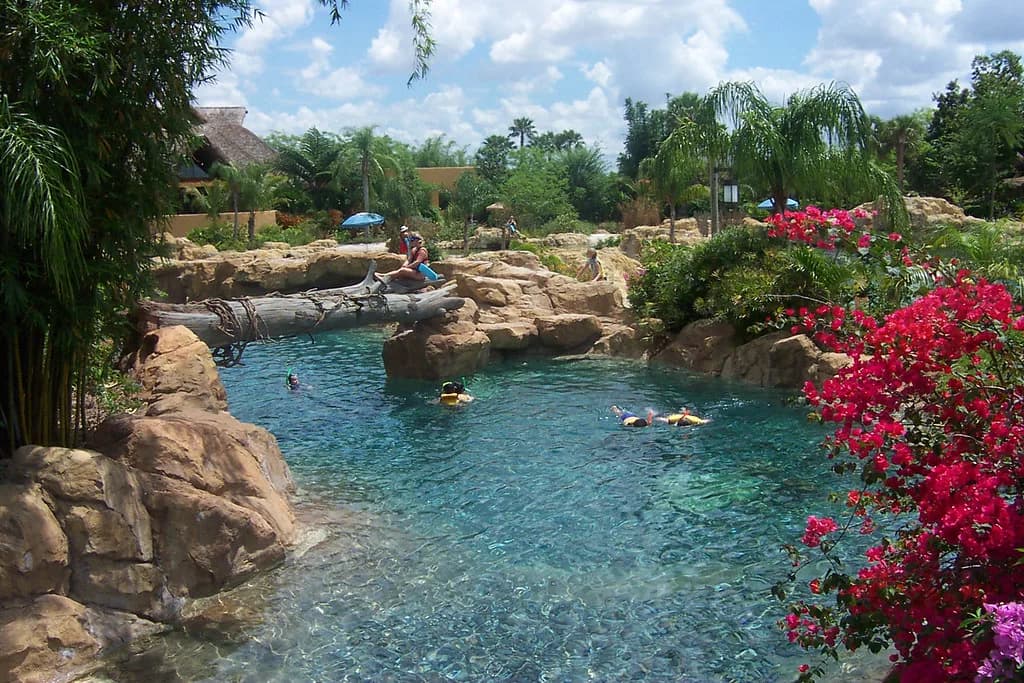
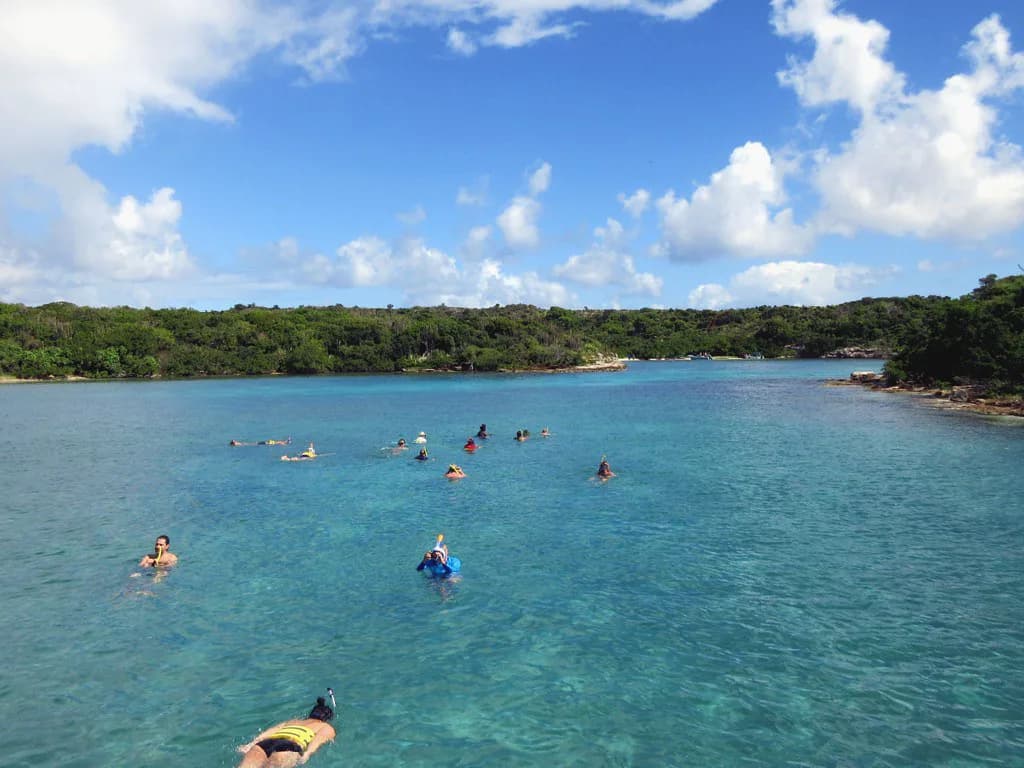
Sheltered coves, bays behind a headland, and shallow reef flats with a sandy entry are the right first venues. Surf entries, open-ocean exposure, poor visibility, and unguided outings stack risk quickly for someone who cannot swim, according to operator guidance on snorkeling without swimming skills. Choose calm water over dramatic scenery when the two conflict, because an easy first session builds the skill for harder sites later.
Read the layout before you commit. A bay with a sandy channel out to the reef, a gentle slope on the sheltered side, and an easy exit point at the same beach is far better than a site where you must climb rocks or swim past a surge zone. Ask whether the reef starts close to shore or requires a long surface swim, since distance adds fatigue even when the water is flat. For a worked example of beach, reef and boat options in one place, see this guide to snorkeling in Fort Lauderdale.
Swell direction and time of day change the same beach. An onshore wind and building swell turn a flat morning cove into a shorebreak by afternoon, so plan the calm window and keep an alternate sheltered site in mind. Lifeguard-posted advisories at the beach are the fastest read on conditions on the day.
Guided Tour Versus Beach Entry: The Trade-offs
A guided boat or small-group tour buys structure: pacing at entry, short instructions, a guide close enough to spot tension in your body language, and the option to stay aboard. That structure shows in the incident data, with only 8 percent of snorkeling incidents in Hawai'i occurring on guided tours. What you give up is freedom to wander and set your own schedule.
Some operators build the beginner support into the trip itself. Kona Snorkel Trips, for example, advertises small-group snorkel tours with lifeguard-certified guides and flotation support. Treat that as Kona Snorkel Trips' own description and compare it with other crews on group size, entry ease, flotation included in the fare, and whether a nervous guest can sit out.
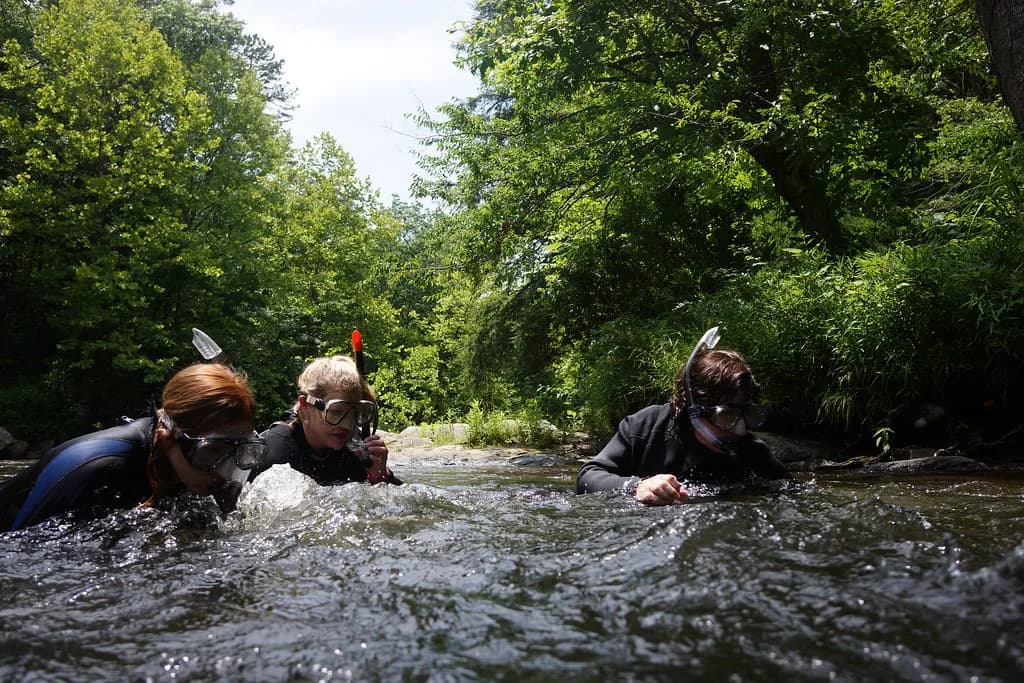
A calm shore entry costs less and lets you stop the moment you feel unsure, but you carry all the judgment yourself. If you go that route, pick a lifeguarded beach, enter where the sand is flat, and snorkel with a buddy who stays within sight. Budget travelers and confident floaters often prefer this; first-timers who cannot swim usually get more from supervision.
Getting In and Out Without Panic
Transitions cause more stress than floating does, so slow the entry down. Sit at the water's edge, put the mask on while dry, wet your face, then walk backward or slide in feet-first where the bottom is sandy. Take three slow breaths at the surface with your face up before you put your face down.
Exiting is where tired beginners make mistakes, so time it deliberately rather than waiting until you are cold or spent. Signal your buddy or guide, swim a relaxed line back to the shallow shelf, and stand up only where you can see sand below you. On a boat, hand your fins up before climbing the ladder.
Breathing, Floating, and Signaling Rules Once You Are in the Water
Four habits cover most of what a non-swimmer needs. Stay where your partner can see you without searching, float rather than kick hard unless you need to reposition, keep your breathing slow and your face relaxed, and signal the moment something feels wrong. If you are debating whether to signal, signal; small problems are easy for a guide to solve.
Agree on three hand signals before you enter: the OK sign for fine, a raised hand for help or attention, and a thumb toward shore or boat when you want to head back. Keep them simple enough to remember with a mask on and a tube in your mouth. A guide who explains these before entry is showing you how the trip will run.
Resist the urge to chase a fish or angle for a photo. Let the reef come to you while you float, stay off the coral, and keep a respectful distance from turtles and other wildlife rather than following them. The etiquette of reef viewing is mostly about staying still and low in the water.
What to Expect to See and How Close to the Reef to Stay
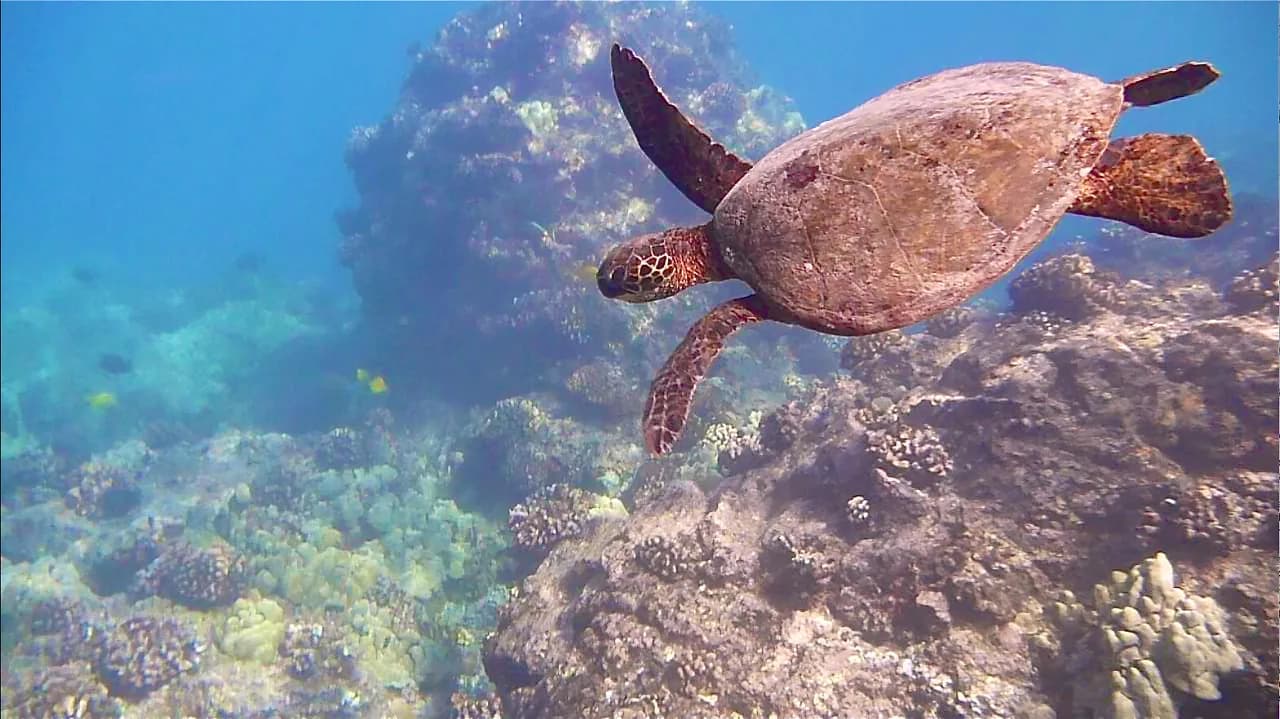
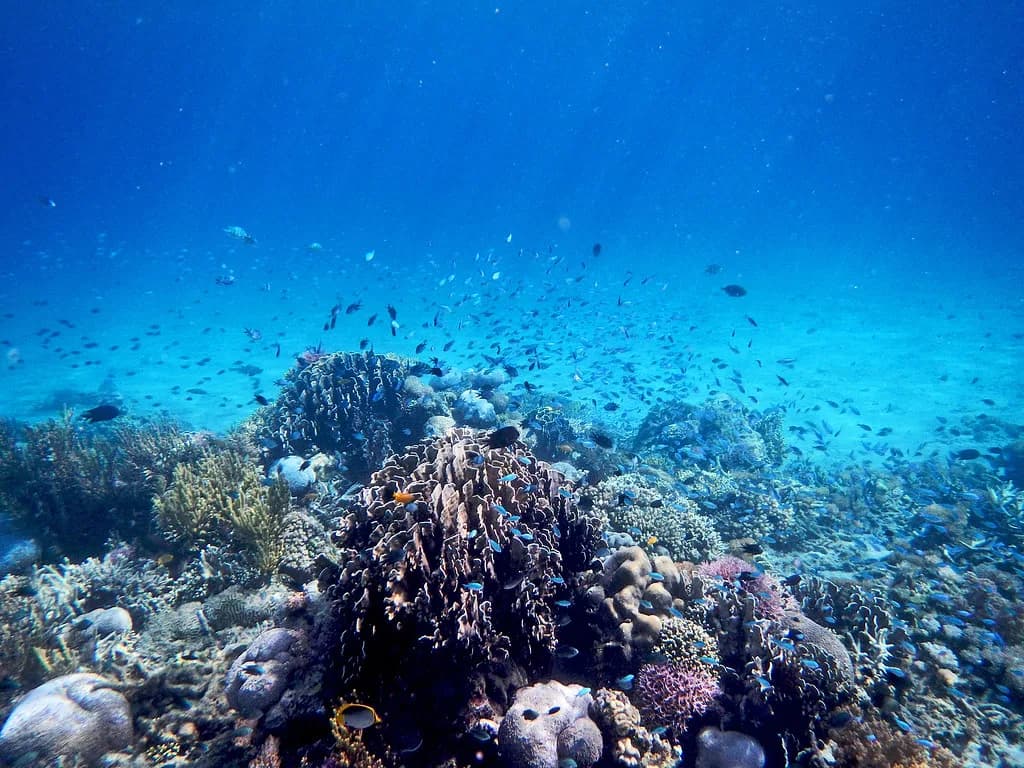
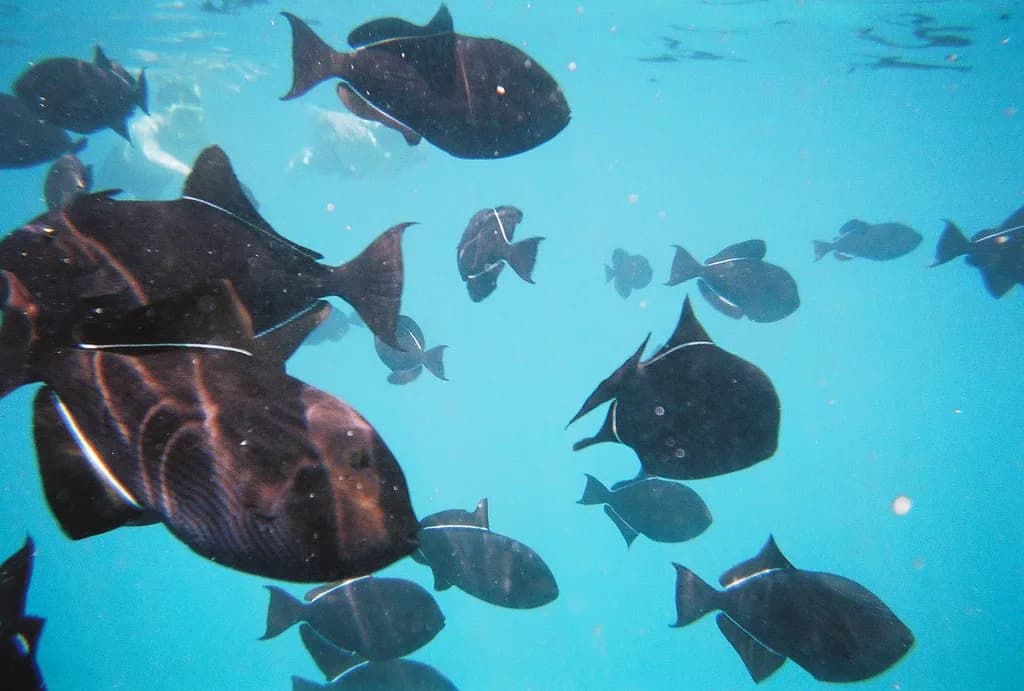
On a shallow reef flat, expect to hover a foot or two above coral heads and see small damselfish, wrasses, and the occasional grazing turtle. The fish are closer than beginners expect, which means the best viewing comes from floating quietly rather than swimming after them. Deeper edges hold larger fish, but they also ask for more swimming.
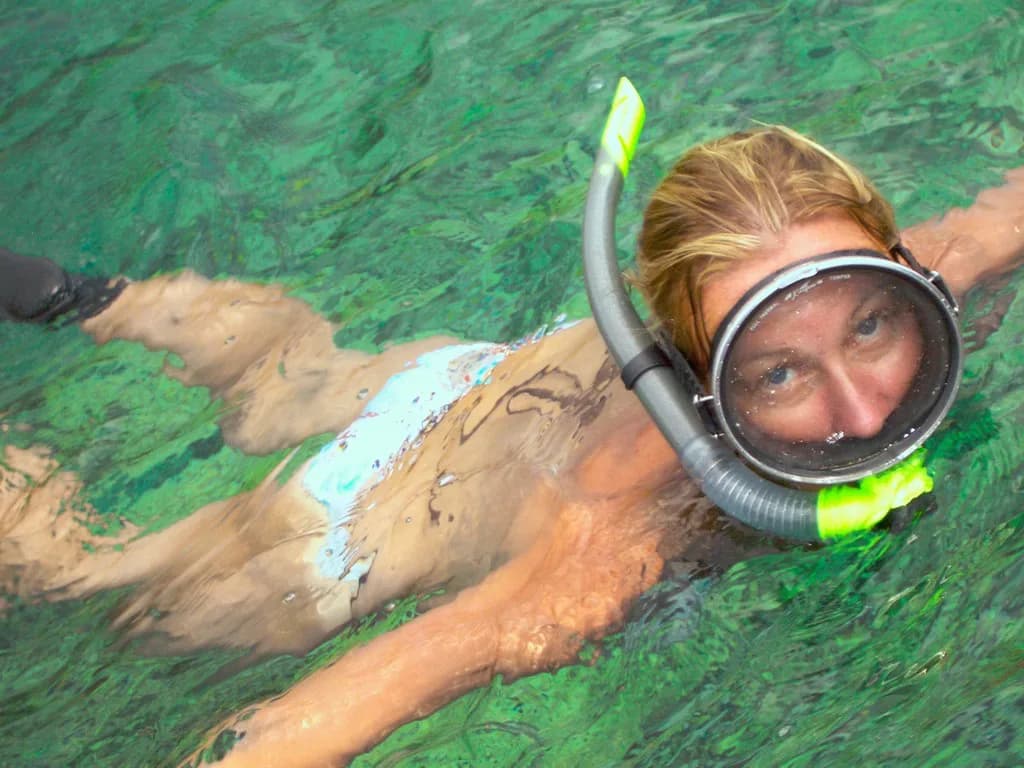
Keep your body horizontal and your fins below the surface so you do not kick sand or coral. Snorkeling is a surface activity, so there is no need to dive; the gear is a mask, tube, and fins rather than a scuba tank, and the shallows reward patience more than depth.
When to Turn Back, and Why Short Sessions Work Best
Set a turnaround trigger before you get in: cold, choppy breathing, a drifting buddy, or a creeping distance from shore. Any one of those ends the session. A short snorkel that finishes calmly beats a long one that ends in a scramble up the rocks.
Breathing trouble tends to show up early, within the first quarter hour for many affected snorkelers, so a fifteen-minute first session is a sensible target. Build duration only after two or three easy outings. The goal of the first day is to finish wanting more.
Children and Nervous Partners: Readiness Over Pressure
The principle for kids matches the one for adults: fit, comfort, attention span, and emotional readiness matter more than pushing the activity. Some children take to a mask immediately; others need a turn watching from the boat or the sand first. Honor the second group and try again later in the trip.
For a nervous partner, offer predictability rather than encouragement to be brave. Explain what the first breath through the tube will feel like, give one clear task such as holding the float for three slow breaths, and make staying ashore an acceptable outcome. A well-run tour should never pressure anyone into the water, and the day still works from the boat.
Build Your First Snorkel Around Calm Water and Close Support
Non-swimmers can snorkel safely when the setting, gear, and supervision match their comfort level. Start with a fitted mask, a snug snorkel vest, and short fins, rehearse on land, then choose a sheltered cove or a guided trip where the entry is easy and help stays close.
Keep the first session short, watch your breathing, agree on hand signals, and turn back on your own terms. Check conditions and posted advisories with the lifeguard service or the tour company before you enter, then let the reef come to you.
Frequently Asked Questions
Can you snorkel without knowing how to swim?
Yes, in the right setup. Snorkeling depends on floating, breathing steadily, and staying calm rather than on stroke technique, so non-swimmers do well in calm water with a properly fitted mask, a snorkel vest, fins, and close supervision. It is not a good idea alone, in open or exposed water, or through surf, and a guided first trip lowers risk considerably.
What should I wear or use for flotation as a non-swimmer?
A snorkel vest worn on the body is usually more comfortable for face-down floating than a life jacket, which is built for rescue flotation and tends to ride up. Pair it with a mask that seals without pressure and fins that let you steer with light kicks. A mask and snorkel alone do not keep anyone afloat, and flotation does not replace a guide or a buddy.
What if I panic once I'm in the water?
Stop kicking, let your flotation hold you at the surface, and lift your head to reset your breathing. Signal your buddy or guide immediately rather than trying to power through it, and head back toward shore or the boat if the feeling returns. Panic shrinks when you stop fighting the water and let the vest support you.
Do I need to practice before vacation?
A little practice at home makes a real difference. Wear the mask while sitting for a few minutes, then breathe slowly through the snorkel with a longer exhale than inhale. Follow with standing-depth water, floating in your vest and briefly putting your face in, before you try a calm cove. Familiarity lowers surprise, and less surprise means less panic.
Is a life jacket enough for snorkeling?
Not by itself. A life jacket floats you, but it is shaped for rescue use rather than face-down viewing, so it can feel bulky or ride up. You still need a sealing mask, a tube that works for you, and a setting suited to beginners, plus guidance or a buddy. Many beginners find a snorkel vest more practical for reef viewing.
Is snorkeling difficult for beginners?
The physical side is mild: floating, slow breathing, and gentle finning. The challenge is mental and practical, which is why calm water, a good mask fit, and an entry you have rehearsed matter so much. Most beginners settle in within the first few minutes once they trust the flotation and stop kicking hard.
How long should a first snorkel be?
Plan for about fifteen minutes of actual face-down time and extend it only after a couple of easy outings. Breathing problems in snorkeling incidents tend to appear early, so a short, calm session is a better first goal than distance or depth. If breathing through the tube ever feels like work, end the session for the day.
Are children different from adults for snorkeling?
The principle is the same, but fit, attention span, and emotional readiness matter more for kids, so let them set the pace. Some take to it instantly; others prefer watching from the boat or the sand first. Never push a nervous child in, and keep the first session short and shallow with an adult within arm's reach.
Sources
Snorkeling notes for your next trip
Optional updates to our snorkeling guides.
You might also like
Continue reading
More guides you'll find useful