What to Wear Snorkeling: Layers, Colors and Gear That Work
Learn what to wear snorkeling: swimwear that stays put, rash guards versus wetsuits by water temperature, sun-protection rules and colors a buddy can spot.
On this page
A snorkel day is decided as much by what you wear as by which bay you pick. Clothing has to block sun during long surface floats, hold warmth when the water runs cool and stay in place when you kick, roll and duck under. This guide suits first-timers packing for a Hawaii beach day, families dressing kids, and anyone deciding between a rash guard and a wetsuit.
Sun, Warmth and Fit: The Three Jobs Your Outfit Does
Think of your snorkel outfit as three separate layers: something against the skin that stays secure, a sun and warmth layer over it, and gear that fits over both. Sun protection matters because a face-down snorkeler presents a large, stationary back to the sun for an hour or more, so a long-sleeve top or a rash guard does more work than a swimsuit alone. Warmth matters on longer sessions and in cooler water, where a thin neoprene layer keeps you comfortable enough to keep breathing slowly.
Not always, but they help.
Start With Swimwear That Stays Put
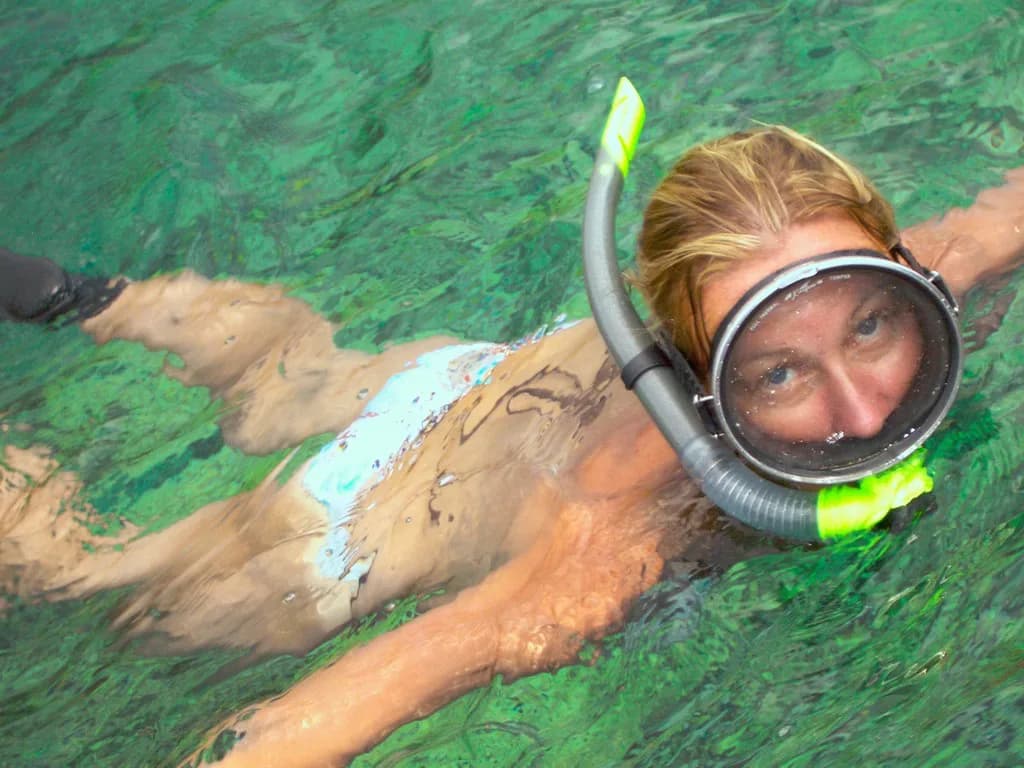
Choose a swimsuit you can forget about once you are in the water. A snug one-piece, a well-fitted bikini under a rash guard, or fitted swim trunks all work; what matters is that nothing needs adjusting while your face is down and your hands are busy. Avoid suits with ties, loose straps or bikini tops that shift when you push off the sand, and consider a darker or patterned bottom that hides sand and won't turn transparent when wet.
Women often layer a swimsuit under a cover-up for the walk to the beach and peel it off at the waterline, which keeps the transition simple. Men do fine in fitted board shorts or swim trunks worn under a sun shirt. If you plan to snorkel several days, pack two suits so one can dry while you wear the other.
Rash Guards and Sun Shirts
A long-sleeve rash guard is the single most useful garment for warm-water snorkeling. It covers your back, shoulders and arms, the areas most exposed while you float, and it slides easily under mask straps and flotation. Look for a snug fit with flat seams, and check the label for a UPF rating if sun protection is your main reason for wearing one. Hooded versions protect the neck and hairline on long sessions.
A short-sleeve rash guard or technical T-shirt works for short sessions and lets more air reach your skin between swims. Cotton holds water, gets heavy and chills you once you leave the water, so keep cotton for the ride home rather than the reef. Pair the top with swim leggings or board shorts if your legs burn easily.
Wetsuits and Thermal Tops: When Neoprene Earns Its Place
Neoprene adds warmth and a little flotation, which is why it shows up on boat trips and in cooler water. In genuinely warm tropical water, a rash guard plus swimwear is usually enough for a 30- to 60-minute snorkel; when the water runs cooler, or you plan long sessions or repeated entries, a 3mm shortie or a thin neoprene top keeps you comfortable. The trade-off is simple: more neoprene means more warmth but more bulk and a bit more buoyancy to manage on the surface.
A wetsuit is not a substitute for a flotation aid, and it is not the same thing as a dry suit worn for cold-water diving. If you are comparing water activities and wondering whether the thicker exposure protection is worth it, the same logic applies across diving vs snorkeling: match the suit to the water, not the other way around.
Legs and Feet: Swim Leggings, Shorts and Booties
Your feet and lower legs take more wear than most people expect, from sun on the backs of the thighs to scrapes at rocky entries. Swim leggings give full-leg sun cover and slide easily under fins; board shorts suit men who want less coverage and quicker drying. Open-heel fins, the kind with an adjustable strap and a foot pocket, are designed to be worn with neoprene booties, which protect your feet on hot sand, sharp rubble and boat decks.
Full-foot fins have a closed pocket and are worn barefoot or over a thin neoprene sock, which makes them lighter to pack for travel. Whichever style you choose, check that the strap sits comfortably over your heel and that the pocket does not rub; blisters from a loose fin can end a snorkel day early. If you wear booties, bring them to the fitting so the fin pocket is sized to the boot, not your bare foot.
Masks, Snorkels and Fins as Part of the Outfit
Your mask and snorkel are worn, not carried, so they are part of the outfit. Fit the mask over bare skin or a thin hood, not over thick hair or a bulky strap; a snug skirt seal prevents the constant leaking that turns a relaxing float into a session of clearing water. A dry snorkel keeps splashes out at the surface, while a simple open-top tube is easier to clear and less to fuss with. If you are still deciding between styles, this guide explains how does a snorkel work in practice.
Fins are optional in truly shallow water but valuable for covering distance and keeping your legs from tiring; short travel fins pack easily, while longer blades give more push for the same effort. Skip dangling straps, loose lanyards and anything that trails behind you, since these snag on reef or on boat ladders.
Colors and Visibility on the Surface
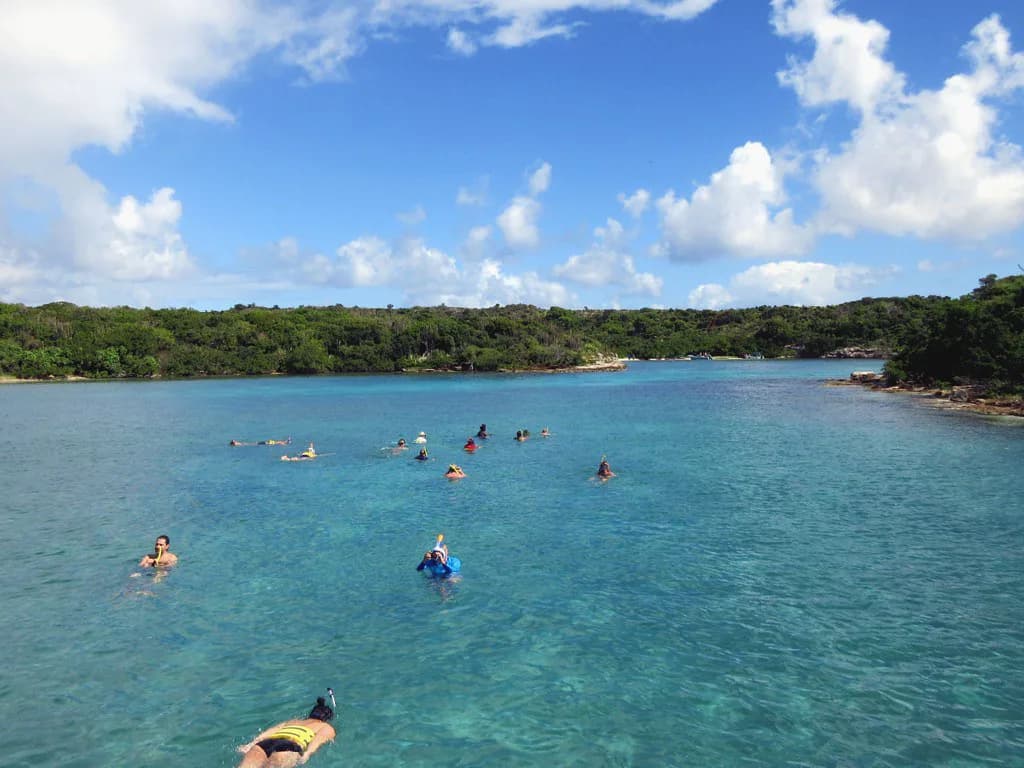
Pick colors for the surface, not the reef. Bright neon yellows, oranges, pinks and lime greens stand out against blue water and whitecaps, making you easy for a buddy or boat crew to spot from a distance. Dark navy, black and forest green disappear against deep water, especially in chop. A brightly colored rash guard or swim cap is the simplest way to add visible color to an otherwise neutral outfit.
Fish are generally not attracted or repelled by swimwear color, so there is no need to hide from marine life with camouflage patterns. Keep the bright color on the parts of you that stay at the surface, and keep jewelry minimal and snug so nothing shines, dangles or gets lost.
Sunscreen, Reef Rules and What Not to Wear
Hawaii sun protection is a clothing decision as much as a lotion decision. The State of Hawaii and the County of Maui have passed legislation banning the use of non-mineral sunscreens, with prescriptions excepted, and the accepted active ingredients are non-nanotized zinc oxide or titanium dioxide. Read the active-ingredient label even when a bottle claims to be reef safe, and pair a mineral sunscreen with a long-sleeve rash guard, swim leggings and a hat for the walk across the sand.
Fewer items means fewer problems in the water. Leave loose jewelry, dangling earrings, long necklaces and heavy bracelets on shore, where they won't catch in mask straps or vanish in the sand. Skip baggy cotton cover-ups in the water, since wet cotton clings, chills and drags, and avoid loose sarongs or wraps that wrap around your legs while you kick.
Kids and Nervous Beginners: Flotation and Warm Layers
For children and anyone nervous in the water, treat flotation as part of the outfit rather than an afterthought. A properly fitted snorkel vest supports you in a face-down float, while a float belt leaves the chest freer; either one lets a beginner focus on slow breathing instead of staying afloat. A snug rash guard plus swim leggings keeps kids warm and sun-covered, and a thin neoprene top helps on longer or cooler sessions. If swimming is the sticking point, this plan for can you snorkel without knowing how to swim walks through the setup step by step.
Dress beginners in bright colors so a parent or guide can see them at a glance, and test the mask and vest on land before entering the water. A five-minute mask fitting on the beach, with the flotation straps adjusted over the rash guard, prevents most of the fiddling that happens at the waterline.
Beach-Entry Day Versus Boat-Tour Day
A beach-entry day asks for footwear you can walk in and out of the water with. Pack sandals or water shoes for the sand and rubble, a rash guard and swimsuit, a hat and mineral sunscreen for the walk, and a towel plus a dry cover-up for the trip home. Carry fins by hand rather than wearing them across the sand, and keep a mesh bag so wet gear drains instead of soaking your bag.
A boat-tour day asks for warmth and grip. A thin neoprene top or shortie, a windproof layer for the ride out, and neoprene booties for the deck and ladder make a bigger difference than extra swimsuits. Bring a dry bag for phones and a second rash guard if you plan two snorkel stops. For destination ideas that reward a properly packed day, browse best snorkeling in the us and compare sheltered bays such as Hanauma Bay with boat-access sites. Warm-water springs call for the same layering, so this guide on snorkeling in Florida springs shows how a rash guard and thin neoprene translate to a freshwater float.
Pack Once, Correctly
Build your snorkel outfit around three layers: secure swimwear, a sun-and-warmth layer that suits the water, and gear fitted over both. Add bright color for visibility, neoprene booties if you wear open-heel fins, and mineral sunscreen that meets Hawaii's active-ingredient standard. Check the water and weather forecast with the local county lifeguard service or your tour operator before you commit to a beach day.
Frequently Asked Questions
Do you really need flippers for snorkeling?
Not always, but they help. In very shallow water you can snorkel in water shoes, while fins make it easier to cover distance, keep up with a group and stay horizontal at the surface without tiring your legs. Short travel fins pack easily; open-heel fins pair with neoprene booties and suit boat decks and rocky entries.
What colors should I wear when snorkeling?
Choose bright neon yellow, orange, pink or lime for visibility from the surface, since a buddy or boat crew needs to spot you against blue water and whitecaps. Dark navy, black and forest green blend into deep water. Swimwear color does not affect fish behavior, so pick what keeps you visible to the people watching out for you.
What should women wear snorkeling?
A snug one-piece or a well-fitted bikini under a long-sleeve rash guard covers the essentials. Add swim leggings for full-leg sun cover, and a hooded sun shirt for long surface floats. Leave dangling jewelry and loose ties on shore, and pick bright colors for visibility.
What should men wear snorkeling?
Fitted swim trunks or board shorts plus a long-sleeve rash guard suit most warm-water snorkel sessions. Add neoprene booties if you wear open-heel fins, and a thin neoprene top when the water runs cooler or you plan a long session. Avoid cotton shirts, which get heavy and chill you after you leave the water.
Do you need a wetsuit to snorkel in Hawaii?
Usually not for a short warm-water snorkel, where a rash guard and swimwear are enough. A 3mm shortie or thin neoprene top helps on longer sessions, on boat trips and when the water feels cool to you. Wetsuits are not a substitute for a flotation aid, and they should never stand in for a personal flotation device.
Is a rash guard enough for snorkeling?
A rash guard handles sun and light warmth, but it does not keep you afloat. Pair it with flotation if you are a beginner or nervous in the water, and add swim leggings or board shorts for leg coverage. For cooler water or long sessions, layer a thin neoprene top over or under the rash guard.
Can you snorkel if you are not a strong swimmer?
Snorkeling asks for floating, calm breathing and comfort with your face in the water more than powerful swimming. A properly fitted mask, a snorkel vest or float belt, and a calm, guided setting make it manageable for many non-swimmers. Choose sheltered water and stay close to a buddy or guide.
Is snorkeling difficult for beginners?
The basics are simple: float face-down, breathe slowly through the snorkel tube, and kick gently with fins. The challenges are mask fit, breathing rhythm and staying calm at the start. Practice mask and snorkel breathing in shallow water or a pool first, and wear a rash guard plus flotation so you can focus on the reef.
Sources
Snorkeling notes for your next trip
Optional updates to our snorkeling guides.
You might also like

Continue reading
More guides you'll find useful