Reef Triggerfish: Meet Hawaii's Humuhumunukunukuapua'a
Meet the reef triggerfish, Hawaii's state fish. Learn its Hawaiian name, how to identify it underwater and where to look for one on a Hawaii reef snorkel.
On this page
A reef triggerfish is one of the most rewarding fish to find on a Hawaii snorkel, because it does not behave like a fleeting silver blur. It is small, boldly marked, and often holding near a coral head or rock crevice where you can watch it at leisure. Once you know its blue lips and yellow triangle, you can pick it out of a busy reef in seconds.
This guide covers what the fish looks like, what the Hawaiian name humuhumunukunukuapua'a means, how it behaves around snorkelers, and how it fits into a full day of reef watching alongside other hawaii reef fish. It suits beginners and families who want to know what they are looking at, and anyone hoping to turn a mask-and-fins afternoon into real reef literacy.
What the Reef Triggerfish Is
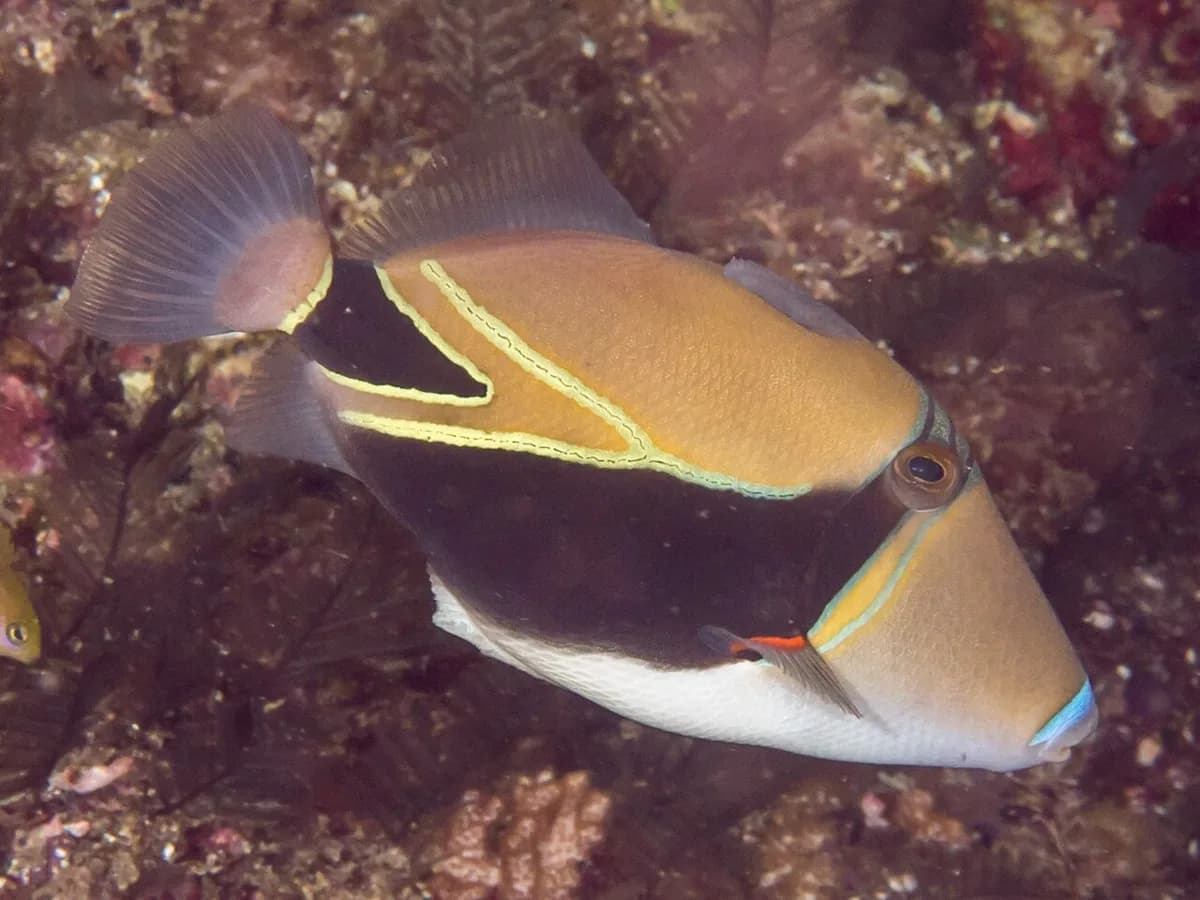
The reef triggerfish is a member of the triggerfish family and is known scientifically as Rhinecanthus rectangulus. In Hawaiian it is called humuhumunukunukuapua'a, a name that locals often shorten to humuhumu, which is used for triggerfish generally. It was designated Hawaii's official state fish, and it appears throughout Hawaiian legend and symbolism.
Yes.
For snorkelers, the fish matters because it lives in the shallow water you can actually reach. It turns up in reefs around the islands and is seen by swimmers, snorkelers and divers alike, so a mask and fins are enough to watch one properly. That accessibility makes it a good first target for someone building confidence in identifying Hawaiian reef species.
The Hawaiian Name and What It Means
The name humuhumunukunukuapua'a roughly translates to fish with the snout of a pig, a reference to both the shape of its face and the grunting sound it can produce. It appears in Hawaiian mythology, connected to the hog god Kama Pua'a, who in the stories takes the form of this thick-skinned fish after retreating into the ocean. Treat the legend as part of the fish's cultural history rather than natural history.
If you want to say the name aloud, break it into beats: who-moo who-moo new-coo new-coo ah-poo-ah-ah. Locals often just say humuhumu, so you can use that shorter form at a snorkel shop or on a boat without hesitation. Being able to name what you saw makes a reef day more memorable and makes it easier to ask locals where to look next.
How to Identify One Underwater
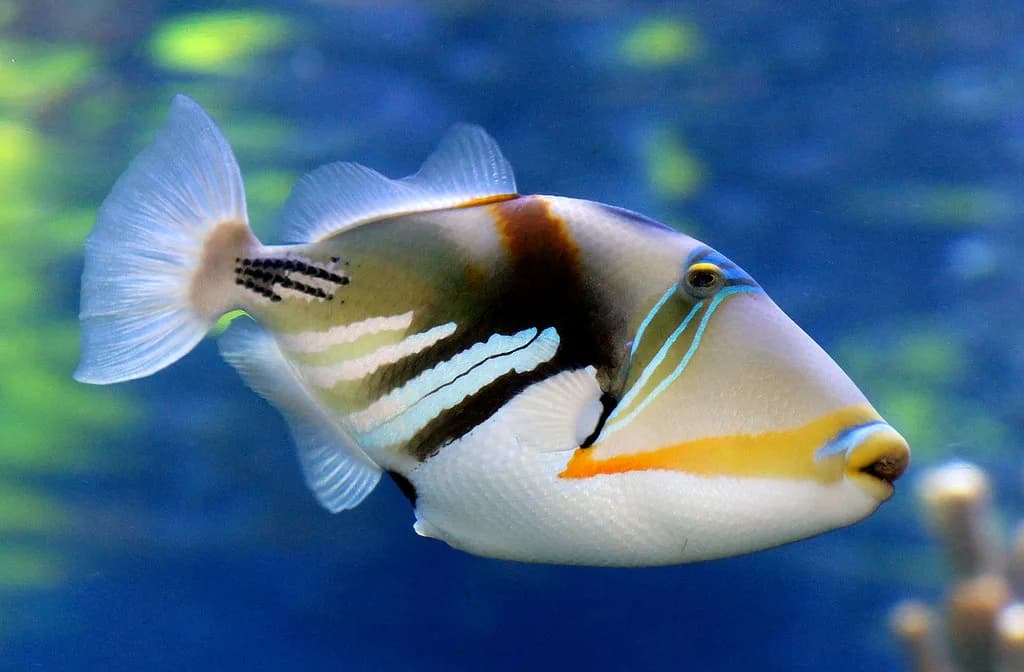
Look for a flat, thin-bodied fish with a striking pattern of blue lips and a yellow triangle on its side, set against darker bands. At depth and in moving water the colors soften, so aim for the body shape first and the markings second. The fish can lighten or mute its colors depending on its temperament, and a bright flash is usually a reaction rather than a display for you.
Reef triggerfish top out at about 8 inches, so they are not large animals, and their flat profile lets them slide into rock and coral crevices. That habit is your best search strategy: scan the dark gaps and ledges at the base of a coral head instead of staring at open sand. Because they can change their pigmentation to blend into their surroundings, a slow, steady scan beats a fast swim across the reef.
Size, Range and Where to Look on a Reef
Reef triggerfish occur on reefs across the Indo-Pacific, which means the fish common on a Hawaii snorkel is the same species found far across the ocean, not an island endemic. On a Hawaii reef, work the shallow, structured parts of the bay first: coral heads, rocky fingers and crevices at the edge of sand channels hold fish that need cover. Shallow reef with plenty of holes is more productive than a featureless sand flat, and the same approach pays off at managed sites covered in this Hanauma Bay Snorkeling Guide: Oahu Entry and What to Expect.
One practical caution applies to this same zone: fire coral grows in shallow reef areas where triggerfish hide, and it looks like an innocent tan or mustard coating on rock. Keep your hands and knees off any such surface and hover instead of grabbing. Learning the fish and learning the reef's hazards are part of the same skill, covered further in the fire coral guide.
What They Eat and the Water-Jet Behavior
Triggerfish use strong lungs to blow jets of water into the sand, excavating the small creatures and algae they feed on. If you see a fish hovering nose-down over a patch of sand and a little puff of sediment rising, you are probably watching that behavior. Station yourself upcurrent and let the fish work while you stay still.
They also have teeth and the extra spines that give triggerfish their name, which lets them lock themselves into crevices at night so predators cannot pull them out. That structure explains why the fish favors holes and overhangs rather than open water. Point your mask at the reef's architecture, not the blue, and your hit rate goes up.
Color Changes and the Grunting Sound
When a reef triggerfish is relaxed or asleep it shows muted tones, and when it feels threatened it brightens its colors, makes a grunting noise, and warns nearby fish of the same species. The sound is the reason behind the pig comparison in its Hawaiian name. What looks like aggression is often a fish telling you it has had enough room taken.
The fish can also make itself heard through that grunting and communicates with other humuhumu using the sound. Snorkelers who stay low, still and outside the fish's escape line see calm, muted colors; a fish that suddenly flares is giving you a clear signal. Back off a few feet and it usually settles.
Behavior Around Snorkelers and Distance
Triggerfish are generally solitary, though they can become aggressive when crowded together, and the sources note they pose no risk to humans. That is not a licence to close in. Keep a respectful distance, never touch, feed or chase the fish, and teach children to hover with hands tucked rather than pointing fingers at the animal.
Nesting and territorial behavior is a genuine trigger for many triggerfish, so if a fish swims at you repeatedly or flares bright, move sideways out of its area rather than swimming over the top of it. Giving the fish room also keeps you clear of the reef itself, which is where coral damage happens. Two arm-lengths from the fish and no contact with rock is the working standard.
Reef Triggerfish vs. Other Triggerfish
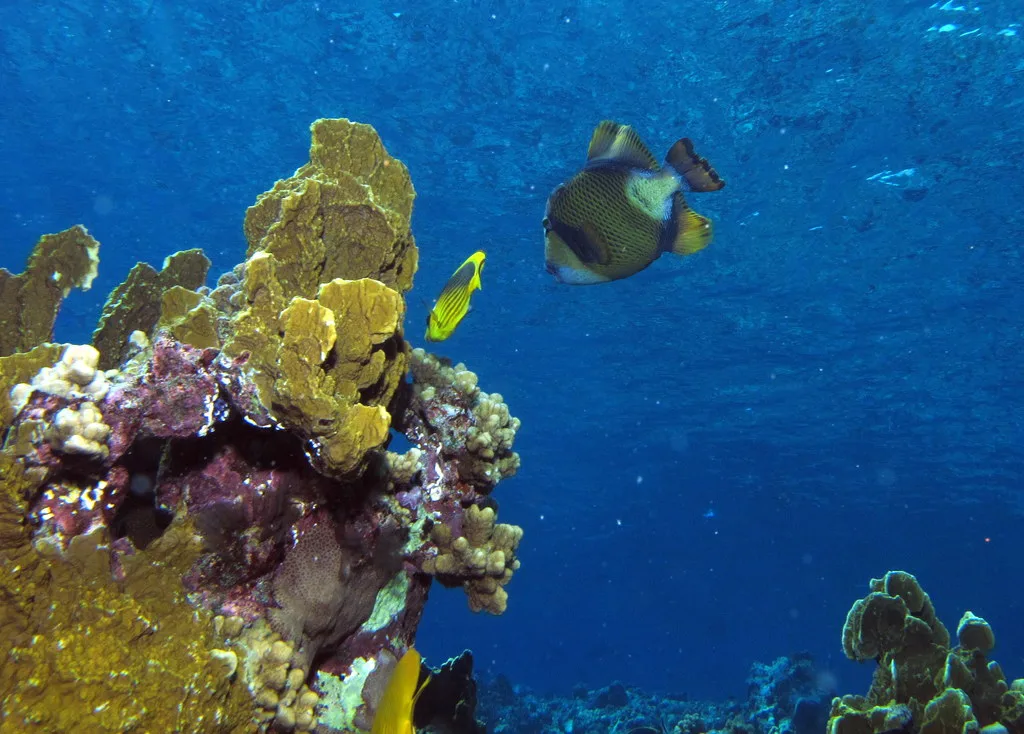
The reef triggerfish is not the same fish as the grey triggerfish of the Atlantic and Gulf of Mexico, even though both are triggerfish; they sit in different species, Rhinecanthus rectangulus and Balistes capriscus. Snorkelers in Hawaii may also encounter other triggerfish species, including the Picasso triggerfish, which shares the family's habits and coloring style. If you are unsure what you saw, noting the exact pattern of lines and triangles is more useful than relying on overall color, which shifts with mood and light.
The reef triggerfish is also the fish Hawaii singled out as its state symbol, reintroduced to that role in 2006 after an earlier five-year designation in the 1980s. Knowing that history helps you sort it from the many triggerfish you will pass on a reef, and it makes the fish a satisfying one to log on a Hawaii trip.
Best Time of Day and Conditions for Reef Fish
Plan your triggerfish search for calm, clear mornings, when the surface is flattest and the light on the reef is even. Flat water makes it easier to hover quietly over a coral head and read the details of a fish's face. Windy afternoons stir up sediment and push you around, which is the opposite of what patient reef watching needs.
Time your session around the day's ocean conditions rather than a fixed clock: ask about swell, current and visibility at the beach or with the snorkel tour company you use, and sit out days when surf is pounding the reef. Glare is a bigger issue than depth for spotting small fish, so a well-fitting mask and a hat for surface intervals help. If you are prone to seasickness on a boat ride out, mention it when booking so you can plan accordingly.
Pairing a Sighting with Turtles, Eels and Other Reef Life
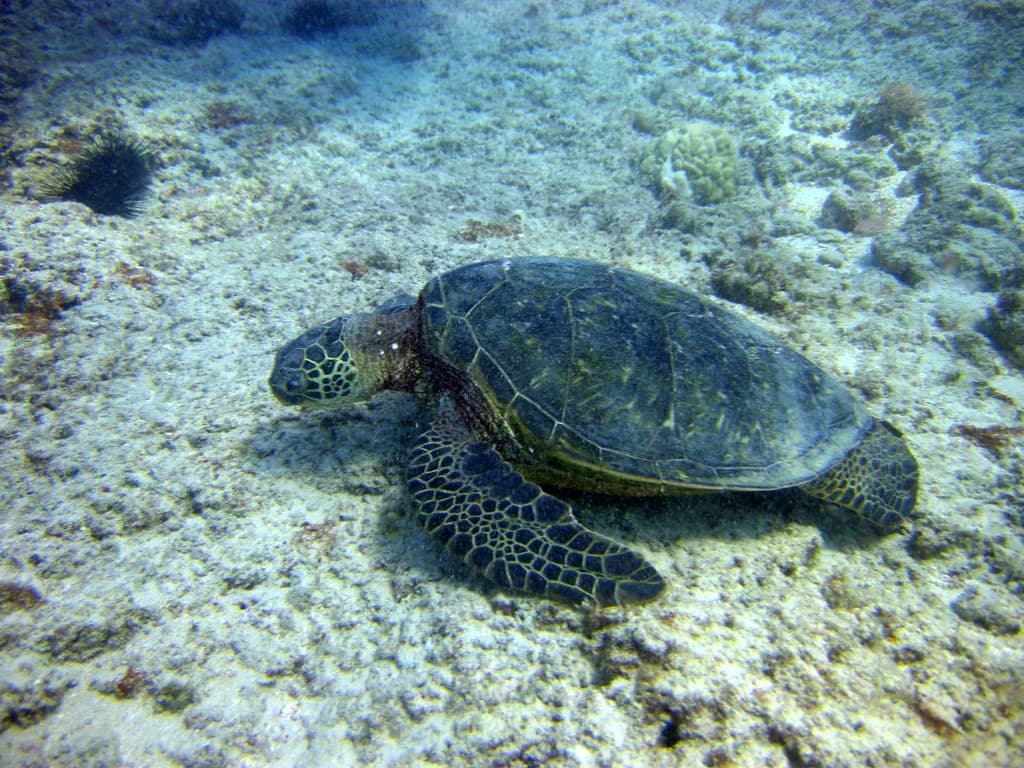
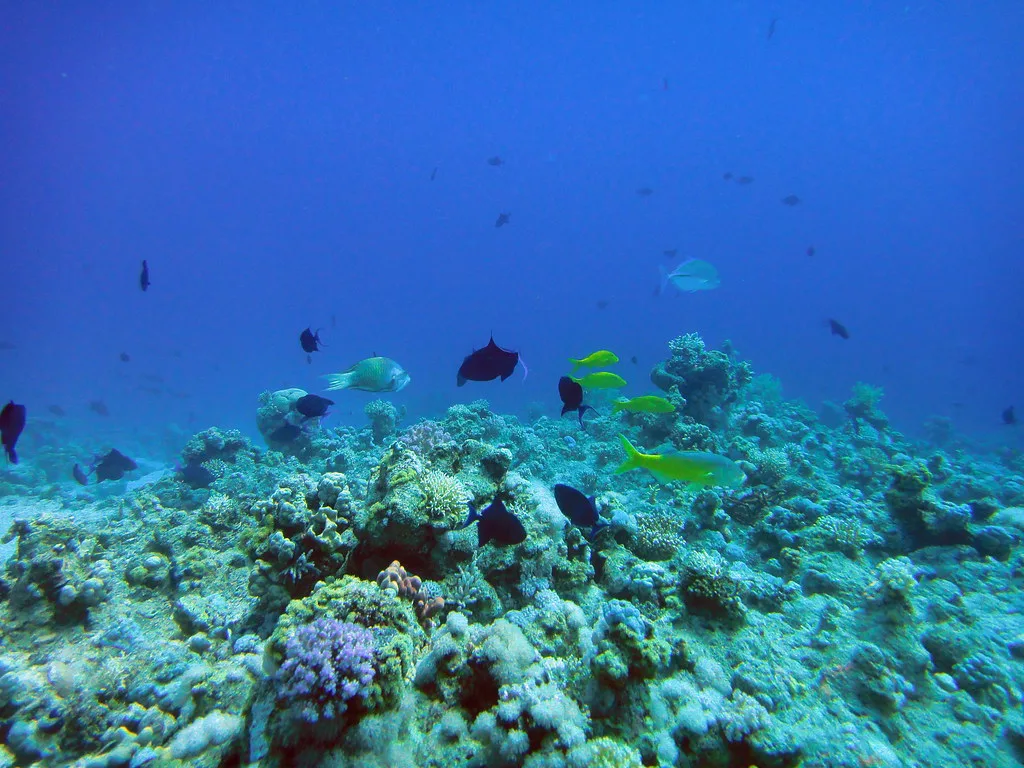
A triggerfish day rarely stays a single-species day. The same shallow structure that holds humuhumu also attracts the Hawaiian green sea turtle, known locally as honu, which grazes algae on reef flats and needs generous space. On a good reef you can work through triggerfish, turtles and hunting eels in one swim; the masked angelfish and flame hawkfish are also classic Hawaii reef residents worth learning.
Larger animals sometimes pass the same reef, and the same distance rules apply. Sandbar sharks and Galapagos sharks are among the species snorkelers may encounter in Hawaii waters, and the correct response is to stay calm, keep the animal in view and never chase or corner it. If a shark is in the area, hold your position near your buddy or the boat and let it move on.
Safe Snorkeling Habits on Hawaii Reefs
Snorkel with a buddy, stay inside the calmest part of the bay, and never turn your back on the open ocean for long. Triggerfish live in shallow, structured water, which is exactly where you want to be anyway, so there is no reason to swim far out for them. Rest on the surface, keep your fins off the coral, and exit before you are tired.
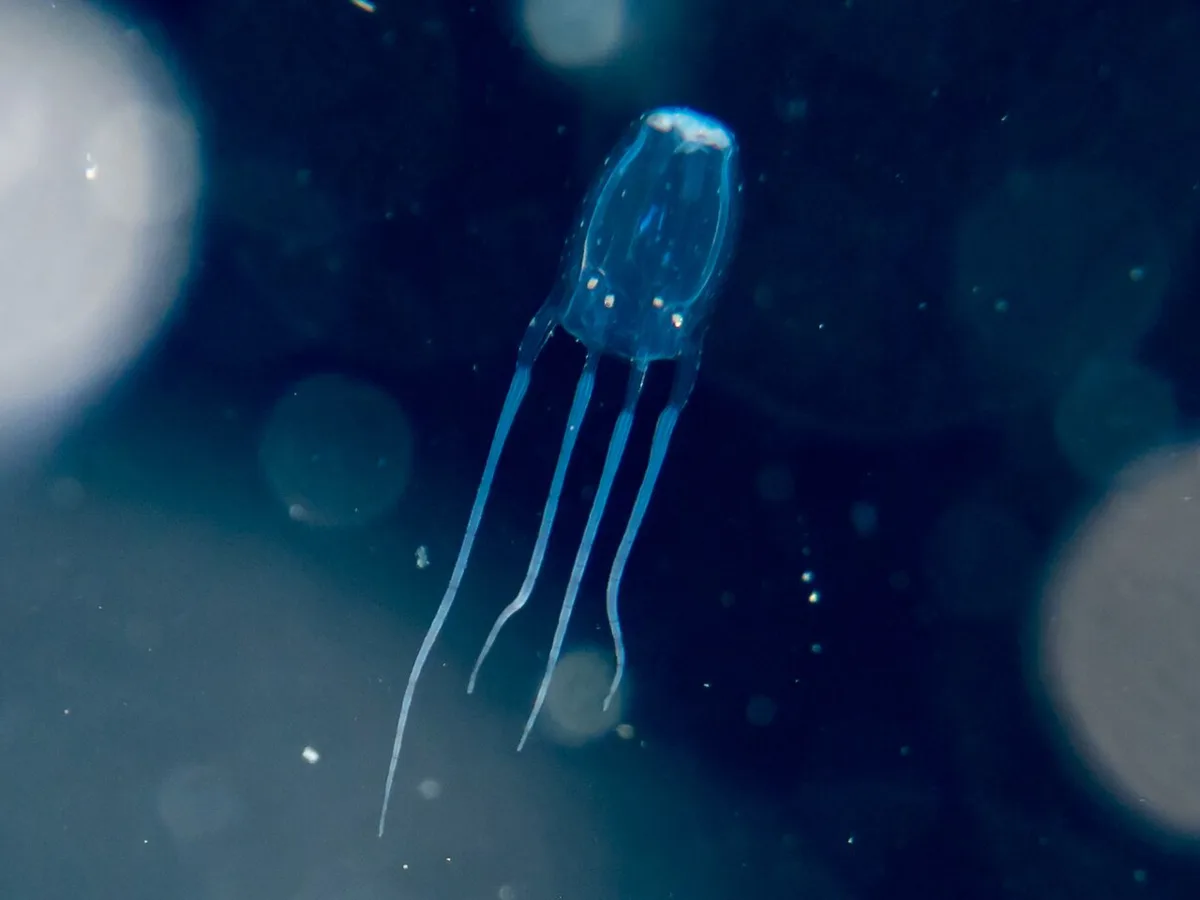
Hawaii has a seasonal box jellyfish pattern that can affect beach days, and local ocean-safety information is the place to learn whether a given beach is posting warnings during your visit. Ask a lifeguard or the beach park office about the day's advisories before you get in.
Plan Your Reef Triggerfish Search
Build your snorkel day around shallow, structured reef and a slow pace. Scan crevices and coral heads for a flat, boldly marked fish, give it two arm-lengths of space, and you have a strong chance of watching a humuhumunukunukuapua'a behave naturally.
Take the time to learn the name, the markings and the fish's signals before you get in the water, and pair the search with turtles and other Hawaii reef fish for a fuller day. Reef-safe habits, a buddy and a check on the morning's conditions make the difference between a quick glimpse and a proper sighting.
Frequently Asked Questions
Is the reef triggerfish Hawaii's state fish?
Yes. The reef triggerfish, Rhinecanthus rectangulus, is Hawaii's official state fish, known in Hawaiian as the humuhumunukunukuapua'a. It was first given the title on a trial basis in the 1980s and formally designated again in 2006.
What does humuhumunukunukuapua'a mean?
The name roughly translates to fish with the snout of a pig, referring to the fish's face and the grunting sound it can make. Humuhumu is the general Hawaiian word for triggerfish, and locals often shorten the full name to just that.
How do you say humuhumunukunukuapua'a?
Break it into beats: who-moo who-moo new-coo new-coo ah-poo-ah-ah. Saying it slowly a few times gets most snorkelers through it, and using the short form humuhumu is perfectly acceptable in conversation.
How big is a reef triggerfish?
Reef triggerfish reach about 8 inches in length. Their flat, thin bodies let them slip into rock and coral crevices, which is where you should look for them rather than over open sand.
Is the reef triggerfish dangerous to snorkelers?
Published descriptions note that reef triggerfish are generally solitary and do not pose a risk to humans, though they can turn aggressive toward each other when crowded. Keep your distance, never touch or feed the fish, and move away if one flares its colors or swims at you.
Where should I look for a reef triggerfish on a Hawaii snorkel?
Work shallow reef with coral heads, rocky ledges and crevices, and scan the dark gaps rather than the open sand. Hover quietly and stay low so the fish keeps its calm, muted coloring instead of retreating into a hole.
What else might I see on the same reef?
The same shallow structure attracts Hawaiian green sea turtles, eels, masked angelfish and flame hawkfish, and larger species such as sandbar sharks and Galapagos sharks occasionally pass by. Keep a respectful distance from every animal and never chase or corner one.
Sources
Snorkeling notes for your next trip
Optional updates to our snorkeling guides.
You might also like
Continue reading
More guides you'll find useful