Spinner Dolphins in Hawaii: Snorkeling Rules and What to Expect
Hawaiian spinner dolphins rest in shallow nearshore bays by day and feed offshore at night. Learn the approach rule and plan a snorkel day around their rhythm.
On this page
Few snorkel days in Hawaii have a headliner as magnetic as the spinner dolphin. Known locally as naiʻa, these animals leap and rotate in the air, then settle into quiet, close-knit groups in shallow water that sits within reach of shore snorkelers. This guide suits swimmers and paddlers who want to see them from the water while leaving a resting pod undisturbed.
Meet the Spinner Dolphin
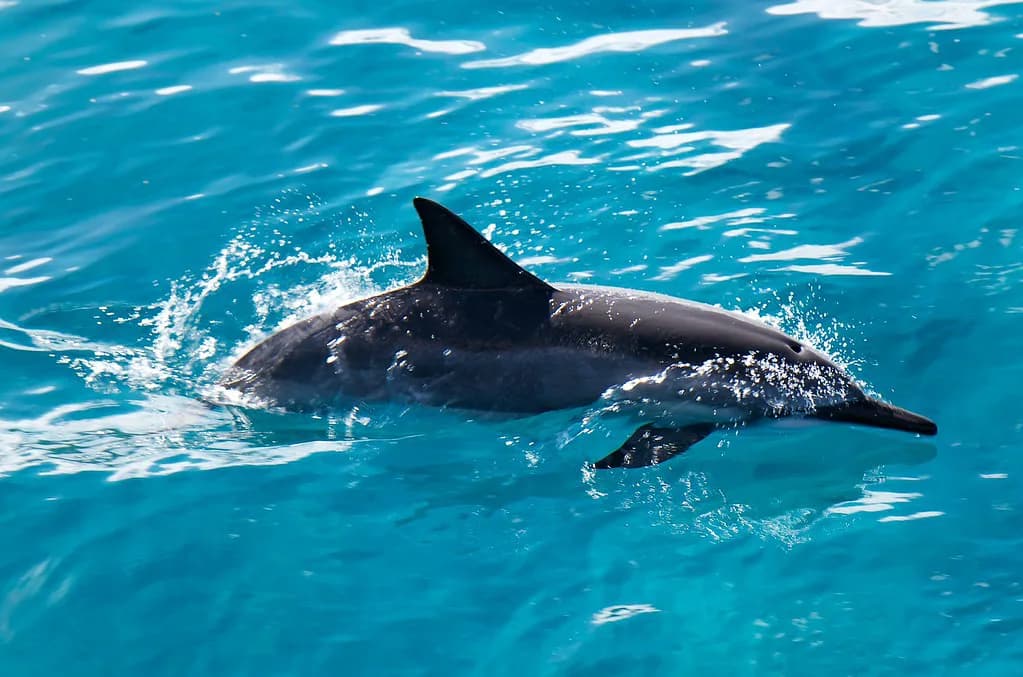
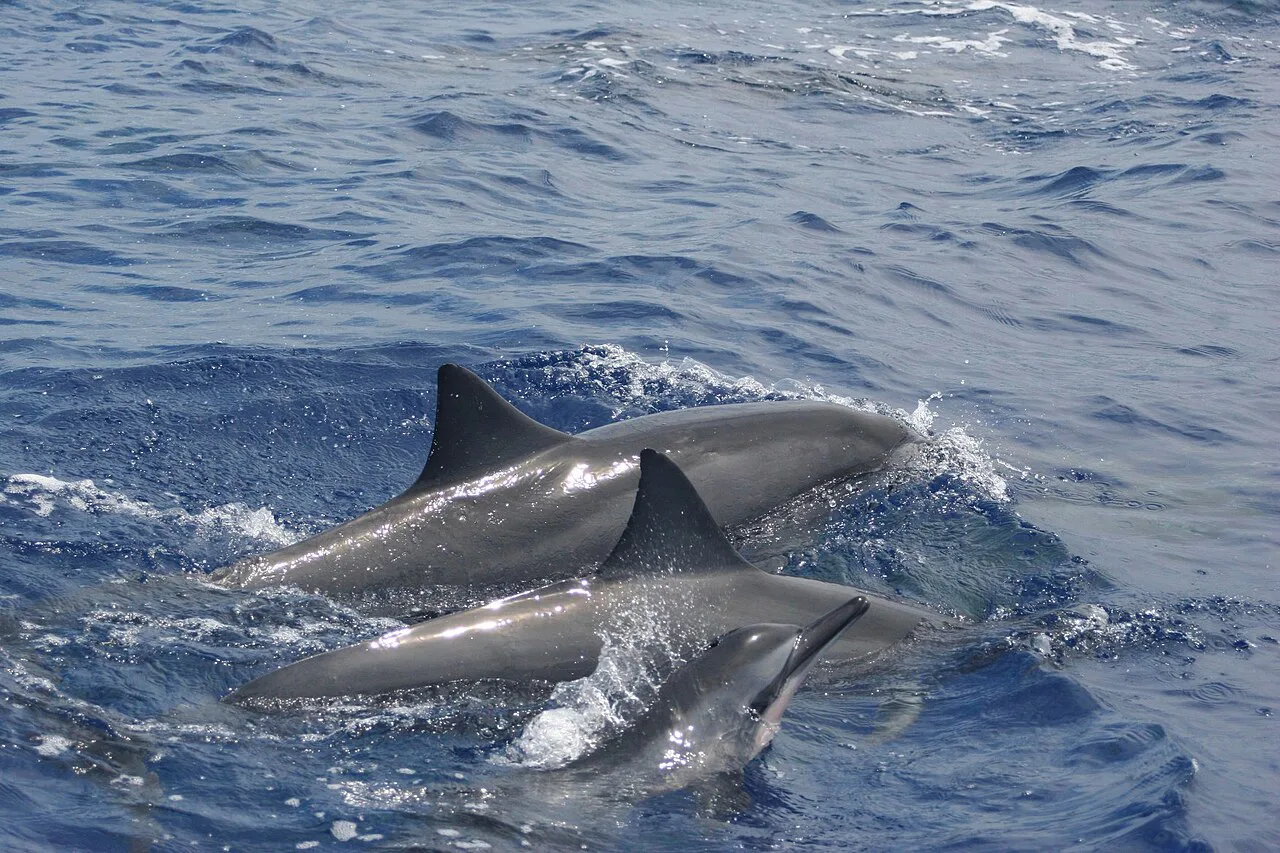
Spinner dolphins average 4 to 7 feet long and 130 to 170 pounds, with an expected lifespan of about 20 years. They travel in groups that can run from 20 animals up to 1,000, which is why a pod can look like a wide band of fins rather than a handful of individuals. The spin in the name is real: the animals can rotate up to seven times in a single jump.
Spinner dolphins are small, highly social cetaceans of tropical and temperate seas, known for leaping and rotating in the air.
The scientific name Stenella longirostris covers spinner dolphins across tropical and temperate seas, not just Hawaii. Within the islands, the animals you encounter nearshore belong to the same species described in federal stock assessments for the main Hawaiian Islands.
The Daily Rhythm That Shapes Your Snorkel Plan
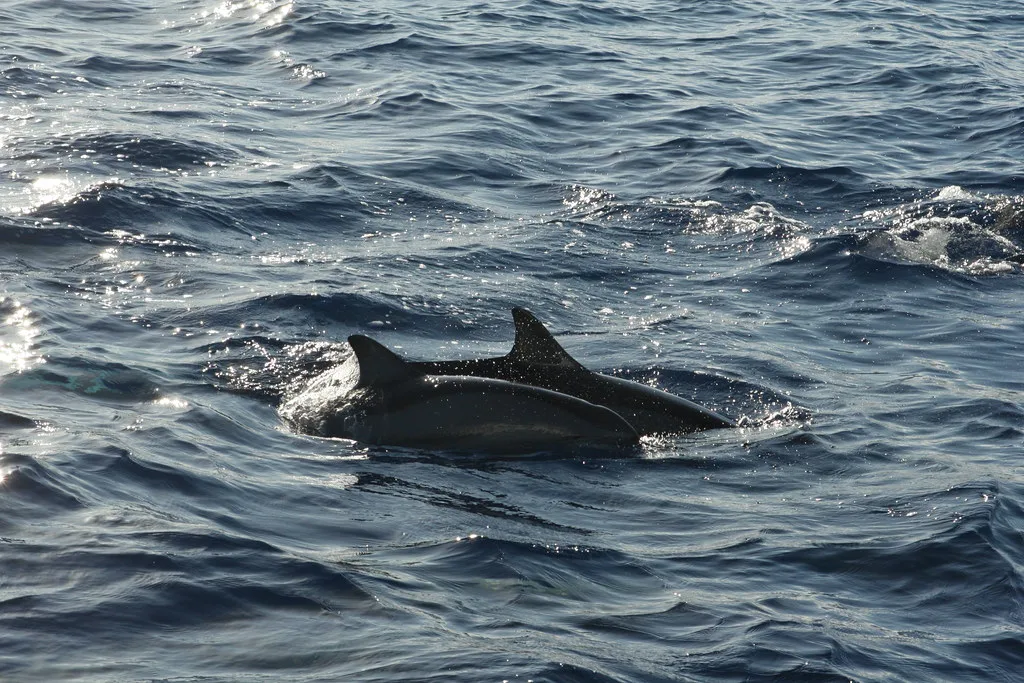
In Hawaii, spinner dolphins use shallow nearshore water during the day to socialize, rest and nurse their young. At night they move offshore to feed as shrimp, squid and small fish rise higher in the water column. A pod you find mid-morning is likely in rest mode, and a pod you chase at noon is a pod being kept from recovery.
That split is the single most useful planning fact for snorkelers. Early morning puts you on the water when light is low, wind is usually lighter and the animals are still settling into their day, and it also lands you on the reef before the midday crowd. Treat a midday sighting as a bonus rather than a target.
Reading a Resting Pod
A resting pod moves slowly at the surface, surfaces in a steady repeating pattern, and holds a tight formation. Animals in that state may show a closed eye on the resting side of the brain, a trait tied to how dolphins sleep while still breathing. When you see slow travel and close spacing, hold your position and let the pod come to you or pass by.
Playful behavior looks different: breaching, spinning, fin slaps and loose spread-out groups. Even then, the animals are wild and owed distance. Keep your hands and fins to yourself, never feed or touch them, and leave the water if a pod changes course because of you.
The 50-Yard Approach Rule in Practice
Spinner dolphins in Hawaii are protected by a 50-yard approach limit, a measure that research helped secure. In open water that means keeping your board, kayak or body outside roughly half a football field from the nearest animal, not just from the middle of the pod. If a pod turns toward you, stop kicking, hold still and let it close the gap on its own terms.
Never cut across a pod's path, motor into the middle of a group, or pursue animals that are leaving. Spinner dolphins are exposed to vessel collisions and unsustainable tourism among other pressures, and a boat or kayak that intercepts a traveling pod is doing exactly the kind of harm researchers track.
Best Time of Day
Plan for early morning, when nearshore rest and socializing are underway and the water is usually at its calmest for a shore entry. Wind builds through the day on exposed coasts, so a mid-afternoon paddle often means chop that makes holding your distance harder. Check the day's marine forecast before you launch and paddle within your skill level.
Where Snorkelers Realistically Encounter Them
Sightings happen in nearshore bays and along open coastlines where dolphins come in to rest during daylight hours. Kailua-Kona on the Big Island is a common launch point, with boats working out of Honokohau Harbor and tours focused on Kealakekua Bay, and shore snorkelers on any island should watch for fins in the water they already plan to swim. If you are planning a day on the water there, this guide to Big Island snorkeling helps you choose a spot that fits the same early-morning, distance-keeping approach.
Treat a sighting as a possibility rather than a promise. Some days the pod is elsewhere, and the reef fish you came for still make the swim worthwhile. Carry the encounter loosely and spend your water time on the reef instead of motoring across open water hunting for fins.
Hazards and Skill Level
Open-coast dolphin water brings swell, current and boat or kayak traffic, so this is a swim for comfortable ocean snorkelers rather than a first-timer's shore entry. If the surf is up or the current is pushing along the shoreline, watch from the beach and pick a sheltered reef for your swim. A leash, a brightly colored board and a buddy make you easier to see.
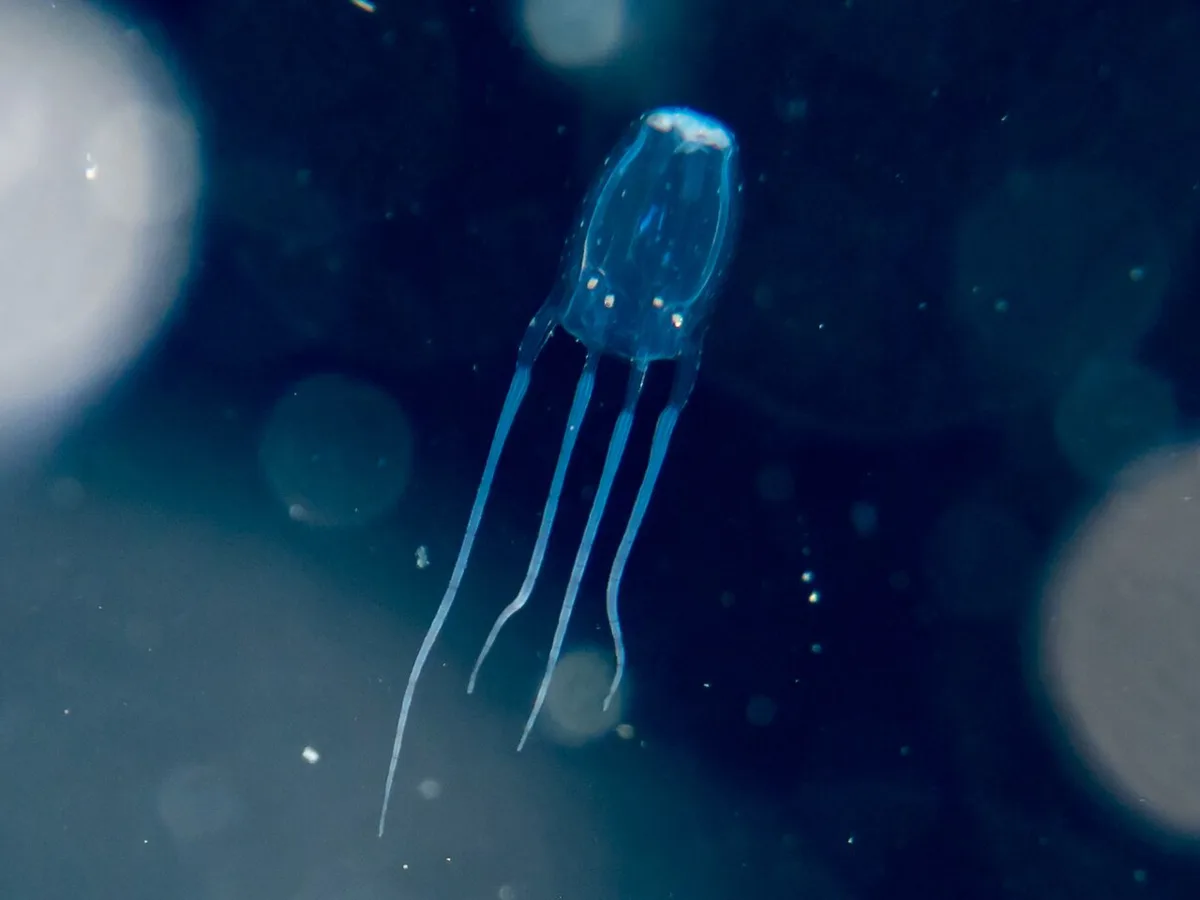
Hawaii has its own seasonal sting risks, and Box Jellyfish in Hawaii arrivals are tracked along certain shorelines. Ask locally about recent beach reports and post them to your own plan rather than relying on a general calendar.
Sharing the Water With Reef Life
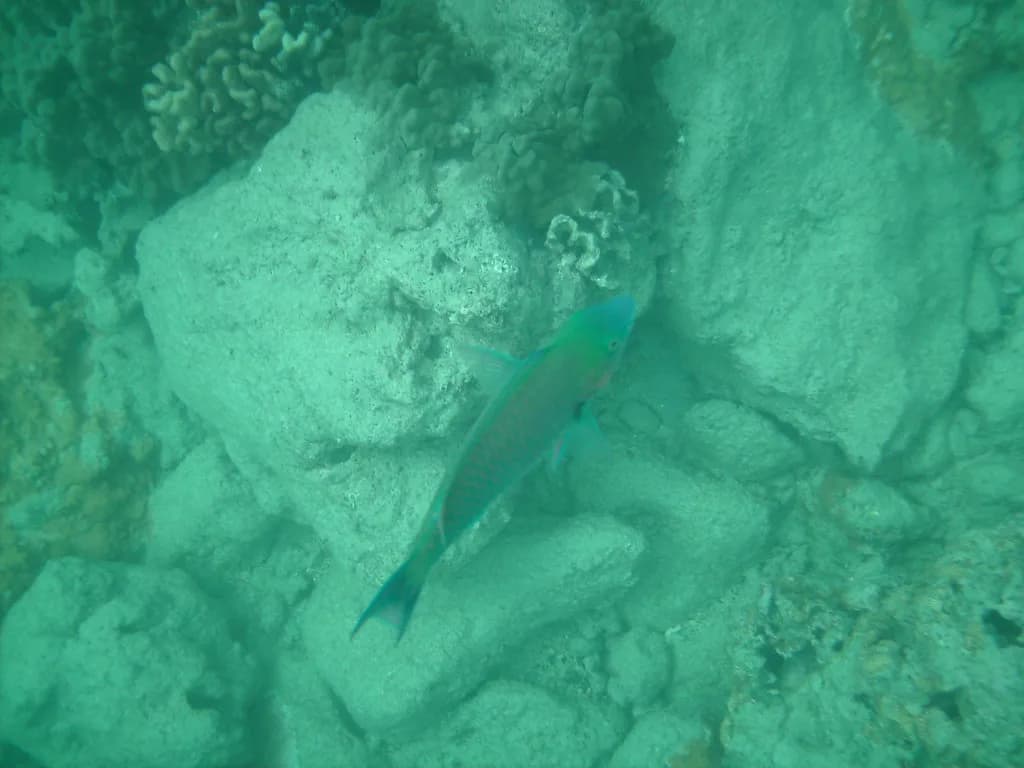
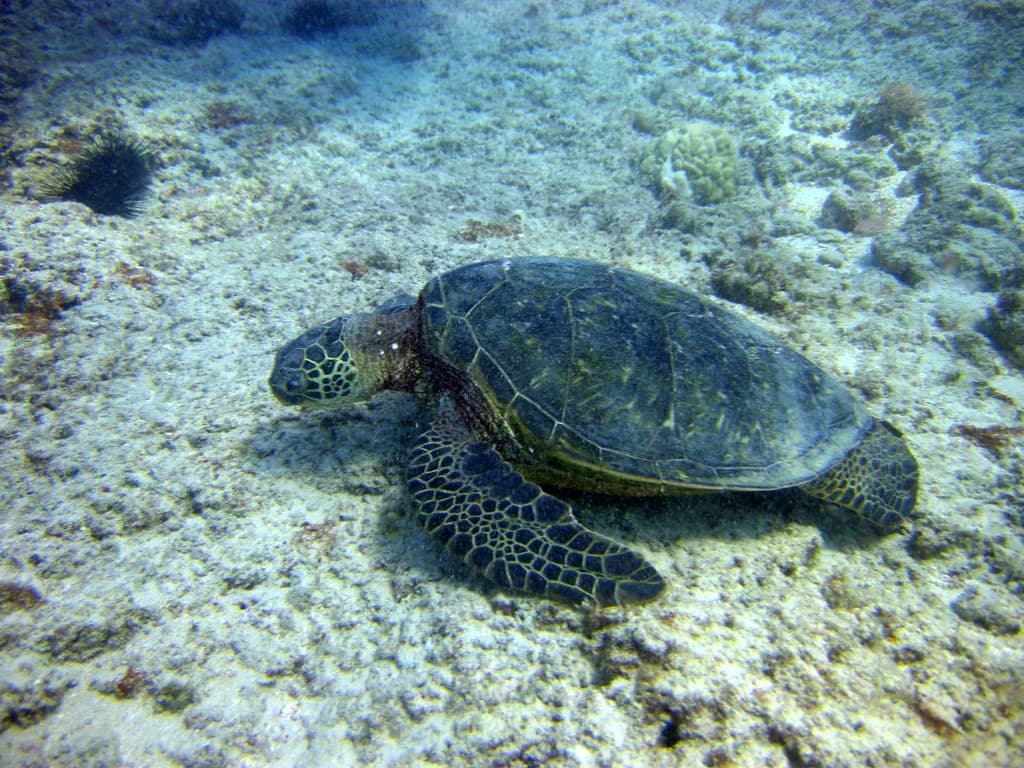
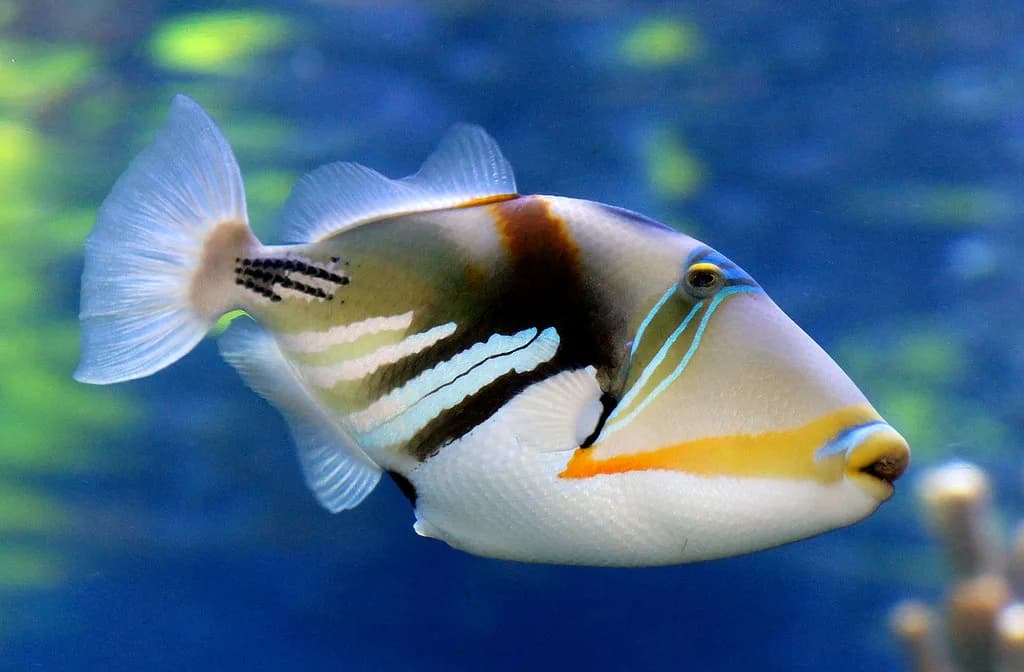
The same nearshore swim often crosses reef flats where the reef triggerfish, Rhinecanthus rectangulus, patrols its territory and the Hawaiian green sea turtle grazes on algae. Keep fins off live coral, give turtles their own space and never block a turtle's route to the surface.
Shallow reef coral, including fire coral, can sting on contact, so keep your body and board clear of the bottom. Pair a dolphin watch with a reef snorkel on the way in and out, and learn a few of the fish you are likely to see, such as the Masked Angelfish and Flame Hawkfish.
What Spinner Dolphins Are Not
Mahi mahi is a fish, not a dolphin, despite the shared name; it is a popular catch and dinner plate item and will not be leaping in a pod of air-breathing mammals. Spinner dolphins are the acrobats you see from the surface, and they are not rare in Hawaiian waters, though individual encounters remain unpredictable. If you came looking for a fish, look to the reef.
Plan Your Swim
Build your day around early morning, a nearshore launch and a held 50-yard buffer. If a pod approaches, stay still and let it pass; if it leaves, let it go and turn your attention to the reef.
Before you launch, read the day's marine forecast and any posted beach advisories from Hawaii's ocean-safety agencies, and match the plan to the calmest window and your own skill level.
Frequently Asked Questions
What are spinner dolphins?
Spinner dolphins are small, highly social cetaceans of tropical and temperate seas, known for leaping and rotating in the air. Hawaiian spinner dolphins average 4 to 7 feet and 130 to 170 pounds, live about 20 years, and gather in pods that can range from 20 animals to 1,000. They rest and socialize in shallow nearshore water during the day and move offshore at night to feed on shrimp, squid and small fish.
Can you snorkel with spinner dolphins in Hawaii?
You can be in the water near them, but you cannot approach them. Hawaii's spinner dolphins carry a 50-yard approach limit, so you hold your position and let a pod travel or rest on its own terms. Swimming into a group, cutting off its path or pursuing animals that are leaving all work against the rest period these dolphins depend on. If a pod moves toward you, stop kicking and stay still.
What time of day are spinner dolphins most active nearshore?
They are in nearshore water during daylight to rest, socialize and nurse young, so early morning is the most useful window for a snorkeler. Wind and chop typically build later, which makes holding a respectful distance harder. Treat any midday sighting as a bonus, and plan the swim around calm morning water rather than a guaranteed encounter.
What dolphins live in Hawaii?
Hawaiian waters hold several dolphin species, and the spinner dolphin is the one most often seen resting in shallow nearshore water by day. The animals nearshore belong to the species Stenella longirostris, the same species covered in federal stock assessments for the main Hawaiian Islands. Other species pass through Hawaiian waters too, so confirm identification with a guide or a regional marine-life reference.
Is a dolphin the same as mahi mahi?
No. Mahi mahi is a fish, while dolphins are air-breathing marine mammals that surface to breathe and travel in pods. The confusion comes from the shared name, not from biology. If you are watching for acrobatic animals breaking the surface in groups, you are looking for dolphins; a mahi mahi will not behave that way.
Are spinner dolphins rare?
Spinner dolphins are not rare in Hawaiian waters, but a good encounter from the water is never guaranteed. Pods move with their own daily rhythm, and resting groups can sit in one bay one morning and be elsewhere the next. Plan a reef snorkel you would be happy with regardless, and treat dolphins as a possibility rather than the day's fixed objective.
Sources
Snorkeling notes for your next trip
Optional updates to our snorkeling guides.
You might also like
Continue reading
More guides you'll find useful