Box Jellyfish in Hawaii: Season, Signs and Snorkel Timing
Box jellyfish cluster on Oahu's south shore after the full moon. Learn the timing pattern, what warning signs mean, and how to time a snorkel day.
On this page
Oahu's south shore packs reef, calm water and easy sand entries into a short stretch of coast, which is exactly why box jellyfish advisories there matter to snorkelers. The animals are small, nearly transparent, and hard to see before you are in them, and they show up on a schedule tied to the moon rather than to your trip dates. This guide covers the timing pattern, how advisories actually surface at the beach, and how to shift a day when one lands on your calendar.
Why box jellyfish matter to snorkelers
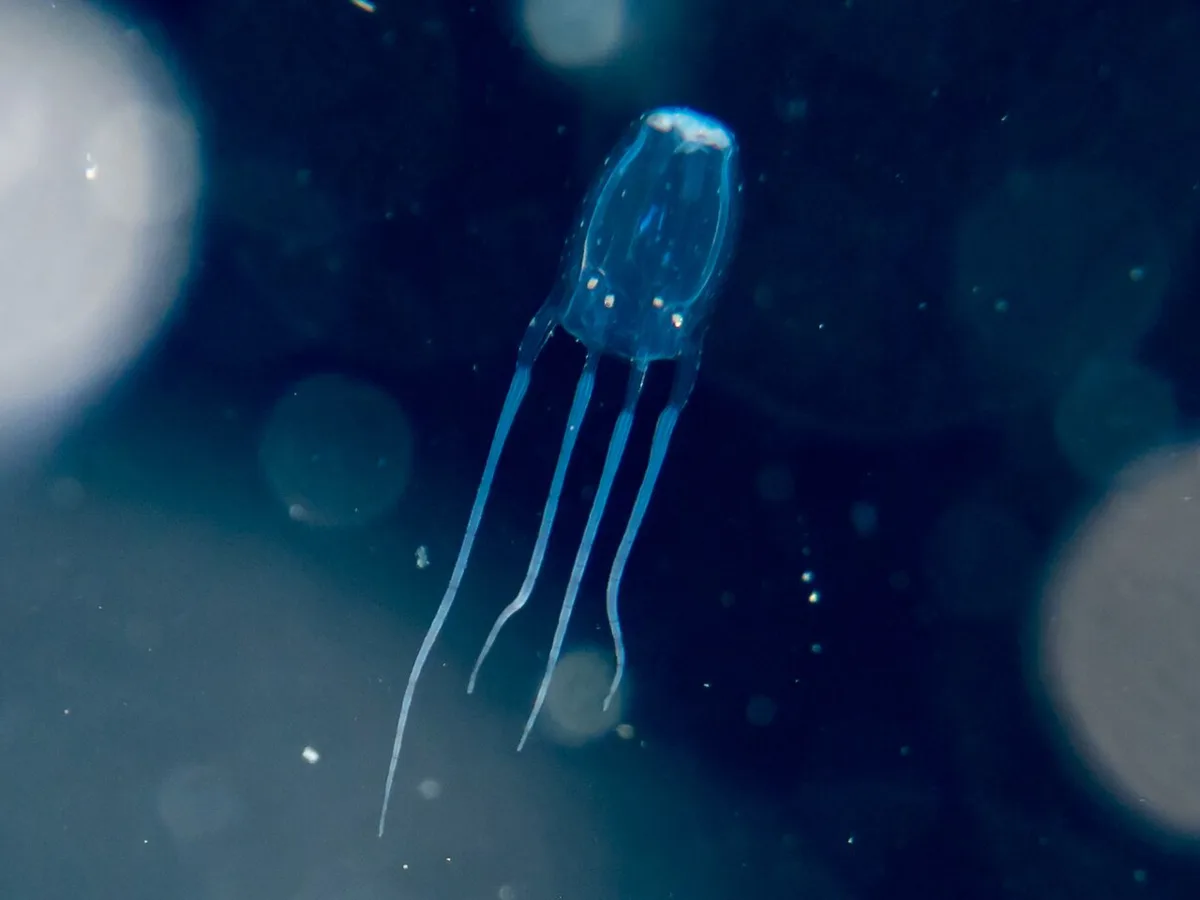
Box jellyfish in Hawaii reach the shallow water where snorkelers enter, not just the open ocean. Waikiki is a wading and snorkeling beach, so an animal that carries painful stinging cells in a nearly invisible body is a real planning concern, not a distant marine-life footnote. The threat is highest on the south-facing beaches of Oahu, and those are also the most popular entry points.
Yes.
Honolulu Ocean Safety has issued advisories after box jellyfish were observed at Waikiki and Pokai Bay, advising beachgoers to check with lifeguards for current conditions. That pattern tells you who to watch: the lifeguard towers and the ocean-safety department publishing the advisory, not a forecast app. Plan your day to include a stop at the tower before you get in.
When they arrive: the post-full-moon pattern
The working rule for Oahu's south shore is that box jellyfish typically show up about eight to ten days after the full moon, according to a widely shared local discussion of the pattern. That is the practical planning window: mark the full moon, count forward, and treat that stretch as the one where a south-shore snorkel needs a lifeguard check first. Nine days out is a sensible date to look at, not a guarantee.
The Waikiki Aquarium keeps a box jellyfish arrival calendar that maps those estimated dates for the year, and it is the best single tool for choosing your dates. Use it the way you would use a surf forecast: a heads-up that shifts when you book and when you walk to the water, not a verdict on any single day.
The calendar is an estimate, not a guarantee
The aquarium calendar labels its arrival dates as estimates and states that jellyfish may be present on any day of the year. That wording should shape how much weight you put on it: skip the south shore on high-likelihood days if you want to lower your exposure, but don't read the rest of the month as risk-free. Build a lifeguard check into every beach morning regardless of what the calendar says.
The same aquariam guidance stresses obeying posted warning signs on beaches and swimming on guarded beaches. That is a clean decision rule for a snorkeler: a signed or flagged beach plus a lifeguard on duty beats a quieter unguarded cove on and around the post-full-moon days. The calendar tells you when to be cautious; the signs and the guard tell you what is happening that morning.
Which snorkel spots sit in the advisory zone
Waikiki and Pokai Bay appear together in the ocean-safety advisory pattern, so treat those Oahu beaches as places an advisory can change your plan. Waikiki's shallow reef is easy to reach from the sand, which makes it a good beginner spot on a clear day and a place to ask about jellyfish before you wade in on a high-likelihood day. Pokai Bay, on the west coast, has its own lifeguarded beach and a different swell exposure.
Black Point and Hanauma Bay are the classic reef options you may weigh against Waikiki, and the right move on an advisory day is to shift to a shore where no advisory is in force rather than to downgrade your expectations at the same beach. Ask the lifeguard whether the advisory covers the whole shore or only part of it, since a bay a few miles away can be missing from the notice entirely. If you are still building your shortlist of entry points, our guide to snorkeling in Oahu covers the best spots, seasons and how to plan around conditions like these.
Reading the beach: signs, flags and lifeguard advisories
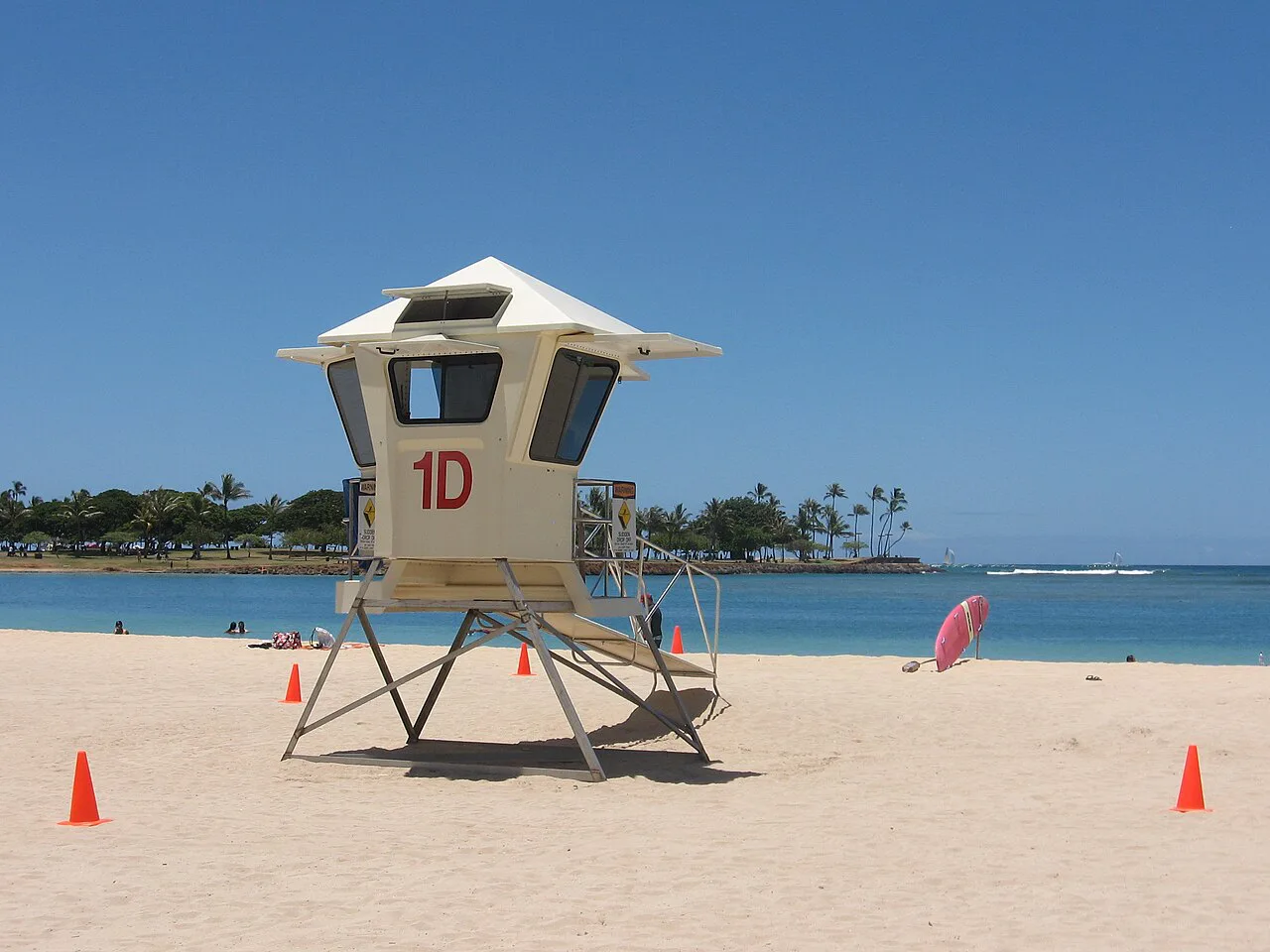
The beach has two information layers: posted warning signs on the sand, and the advisory the ocean-safety department publishes when jellyfish are spotted. The aquarium specifically tells swimmers to obey signs and stay on guarded beaches, so scan the signboard at your entry point before you gear up. A sign that is not there does not tell you the water is clear; it only means nothing has been posted at that access.
If someone is in trouble in the water, the published guidance is to call 911 rather than to try a rescue yourself. For sting concerns or first aid, follow the direction of the lifeguard on duty and the posted signage; this guide does not give medical treatment steps. The useful planning habit is simple: locate the tower, talk to the guard, and snorkel where the guard can see you.
Best time of day and season for lower exposure
An early-morning snorkel gives you calmer water and lets you start with a walk past the signboard and the tower before crowds arrive. Arrival patterns do not follow a clock, so the post-full-moon window remains the more useful variable than a specific hour. If you have flexible dates, use the aquarium calendar to pick low-likelihood days and use early hours to get the reef before the trade winds pick up.
On an advisory day, a shallow reef a few feet deep at a guarded beach is easier to monitor than a long swim to an outer reef. That is a reason to pair Waikiki or another lifeguarded south-shore entry with a short 30-minute snorkel rather than a long reef tour. It also keeps kids and beginners close to shore, where a parent or guard can react quickly.
Planning around an advisory
When an advisory is in force where you planned to swim, you have three practical moves: shift shores, shorten the session at a guarded shallow reef, or take a boat trip that keeps you off the affected beach. None of those removes the risk entirely, so check with the lifeguard tower or your boat operator about what has been seen that day before committing. A boat trip is worth the cost when the alternative is skipping the day, but a nearshore reef at a different, guard-checked beach is the cheaper shift.
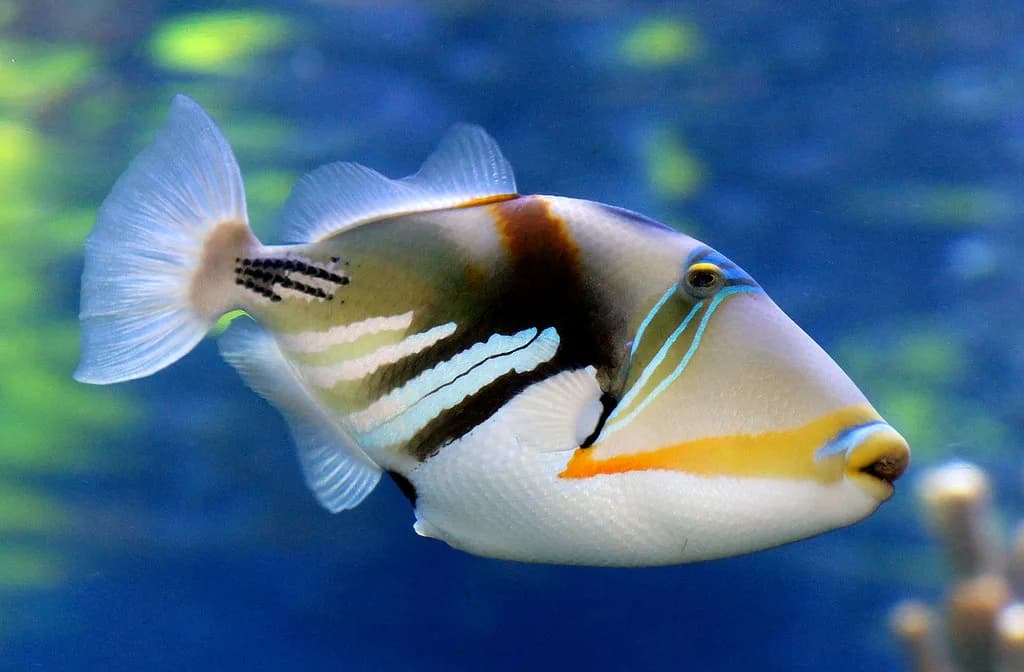
Combine a south-shore morning with the Hawaii reef fish scenery you came for, and carry the identification rather than chase the animals. A reef triggerfish, with its Rhinecanthus rectangulus markings and its dark Picasso-like bands, is a satisfying find close to shore, and your probability of seeing one does not drop on a jellyfish day. Compare that with a boat trip to deeper water, which raises the chance of larger pelagic animals but puts you in more open water.
What to bring and wear
A full-coverage rash guard and leggings give you less exposed skin without changing how you move in the water, which helps on a beach where you cannot see every animal. A mask and snorkel you have fitted and cleared dry-land style, plus reef-safe sunscreen applied before you walk down, covers the basics. Leave your fins for a different day if the entry is crowded; bare feet or soft booties work better when you are wading and checking the surface.
Footwear for the entry matters more than the size of your gear bag: sand entries at Waikiki are forgiving, while rocky shelves demand closed toes. Pack a small dry bag for your phone and a towel for your legs, and carry water so a short session stays comfortable. None of that gear replaces the beach check, which is the one item to do before every swim.
What you will see on a normal south-shore snorkel
Waikiki's inner reef is a starter-aquarium fish set: butterflyfish, surgeonfish, wrasse and, on a good day, the humuhumunukunukuapuaa itself, the reef triggerfish, whose name is longer than most fish on the reef. Coral heads sit close to shore and hold smaller species between the branches. Treat it as a gentle, well-populated reef rather than a big-fish site.
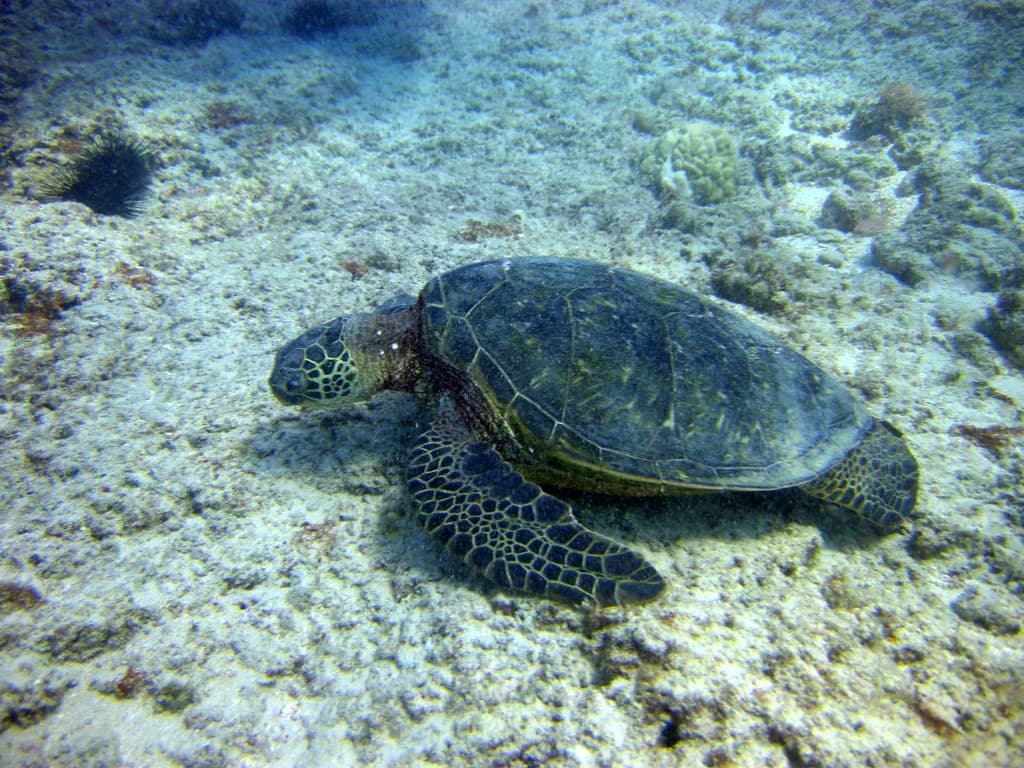
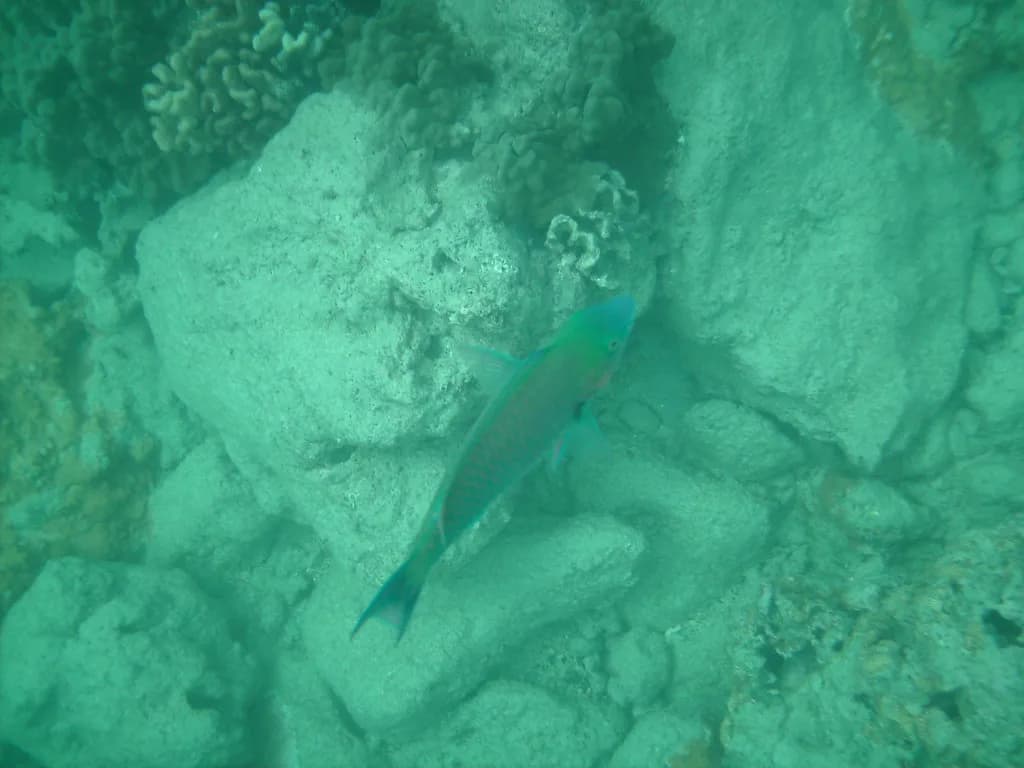
Beyond the triggerfish, the shallow reef rewards a slow swim with a hawaiian green sea turtle grazing sea grass in the shallows, kept at the distance the rules require. Flashes of Anthias, resident wrasses and the occasional Moorish idol show why the Hawaii reef fish set is richer than the fish you know from a home aquarium. Build your identification from the fish you see rather than swimming at an animal to decide what it is.
Wildlife rules and distance
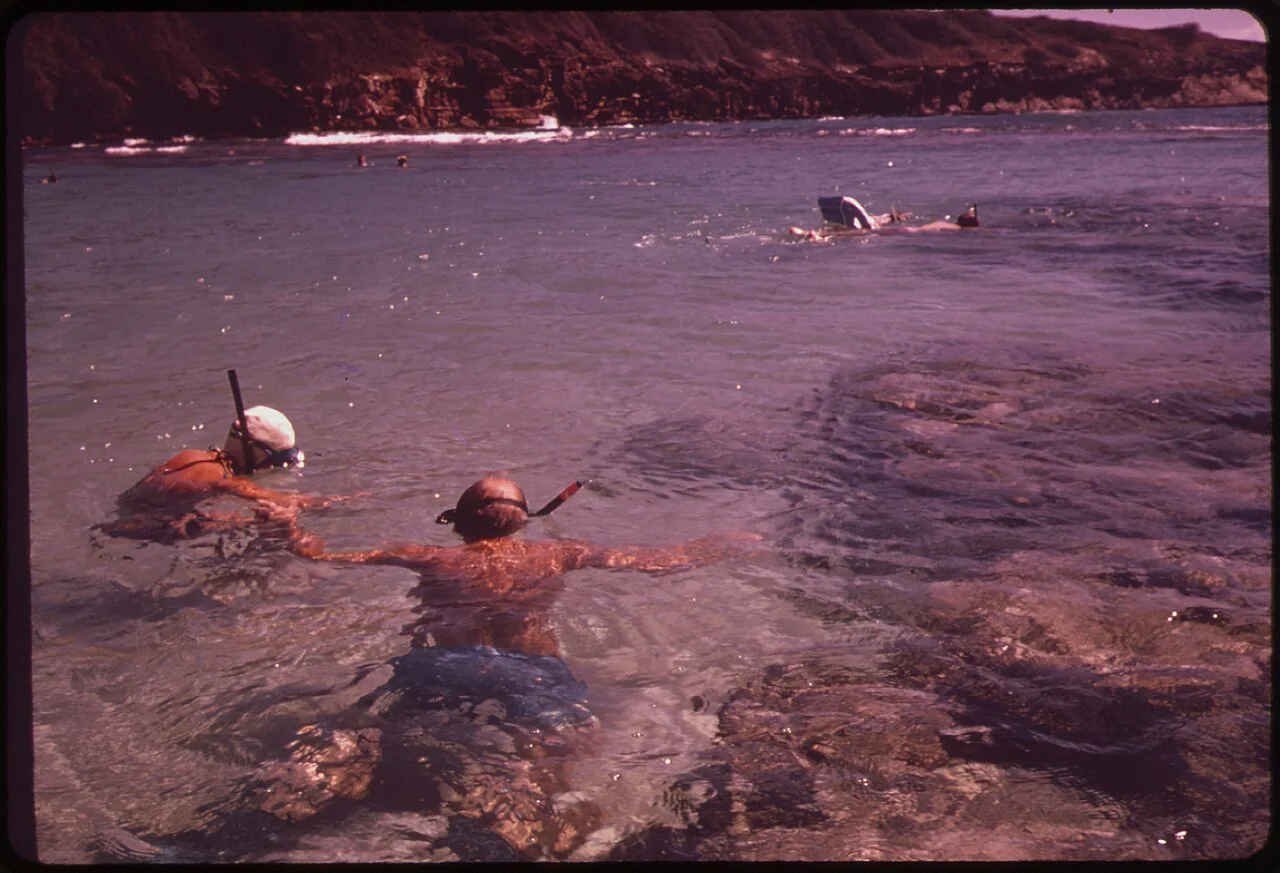
On any Hawaiian reef, the rules are to watch wildlife from a respectful distance and never touch, feed, ride or chase it, and that applies to turtles and to the animals you barely notice. In practice that means floating off a turtle's line of travel, giving it room to surface, and treating the approach as yours only if the animal chooses it. A neat tip: judge progress by the fish watching you back, not by closing distance.
When the animals stay undisturbed, you see their natural behavior: a turtle surfacing for air, wrasse cleaning the reef, filefish grubbing in the coral. The same distance etiquette protects the shallow reef habitat from fin damage as you swim. That makes a longer, quieter swim more rewarding than a quick chase of a single animal.
Snorkeling with kids and beginners on advisory days
For young children and new snorkelers, the right combination is a shallow, guarded beach and a school-aged swimmer who stays within arm's reach of an adult. That single rule answers most of the go or no-go question on an advisory day: a sandy shallows reef with a lifeguard beats a longer reef swim every time for a family. If the guard or the sign says otherwise that morning, swap to a beach with no advisory in force.
Plan entry stairs, not an athletic entry: inflate the mask on the beach, set the fins before you get wet, and wade in until you can float. A 20-minute session helps a first-timer avoid a cold or tired finish that turns the day against the water. The teacher's version of snorkel counting works here too: buddy pairs and a quick check that everyone's mask is seated.
Nearby spots to combine on a non-advisory day
South-shore morning snorkels near Waikiki stitch well to an afternoon of reef flat at a second, quieter beach, with a mid-morning check-in at the towers between them. Save the longer reef excursions for a day when the aquarium calendar gives you no reason to expect higher arrivals, and plan a boat trip with a licensed operator who can check the water firsthand.
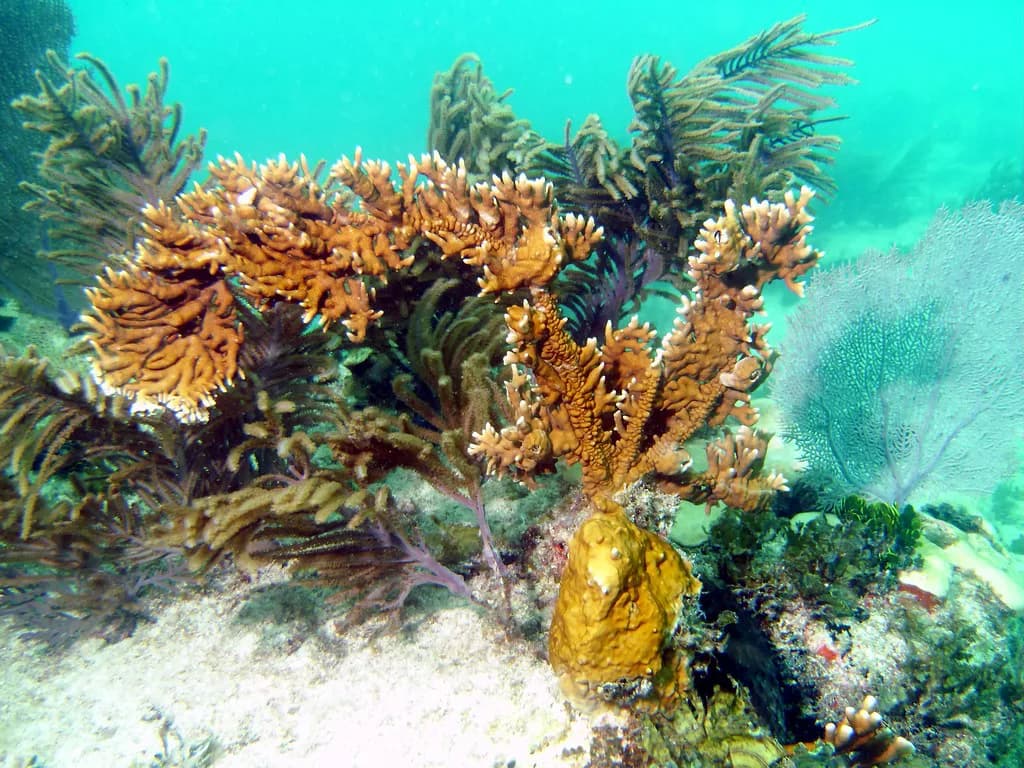
Two reef animals worth knowing as you build a day plan are the Fire Coral family, a stinging coral you should avoid brushing rather than test, and the reef sharks that share some Hawaiian waters at a respectful distance. Fire coral is a reason to wear a full-coverage rash guard and keep your hands off the reef; the sharks are a reminder that even a peaceful reef has animals you should track from a distance.
Plan Your Snorkel Day Around the Moon, Not the Calendar
The post-full-moon window is the one planning variable you can apply months ahead: consult the Waikiki Aquarium calendar, keep south-shore options plus one alternative shore on the list, and treat the lifeguard tower and the posted signs as the final word on the day. Snorkeling is still worth planning for on the days between, because the reef fish and turtles do not change their habits for the jellyfish.
Honolulu Ocean Safety and a lifeguard on duty are your fastest source of current beach status, and 911 is the number for an emergency in the water. Build in one check at the tower, keep the swim short and shallow with kids, and put the calendar to work as a heads-up rather than a verdict.
Frequently Asked Questions
Does Hawaii have box jellyfish?
Yes. Box jellyfish are part of Hawaii's coastal marine life, and Honolulu Ocean Safety has issued advisories for Oahu beaches after the animals were seen in the water. The advisory pattern focuses on south-facing shores such as Waikiki and Pokai Bay.
What time of day are box jellyfish most active?
Published planning advice centers on the days after the full moon rather than a specific hour, and the Waikiki Aquarium calendar notes that jellyfish may be present on any day of the year. Check with the lifeguard before entering the water whatever the hour.
How long after the full moon do box jellyfish arrive on Oahu?
A widely shared local rule says they typically appear eight to ten days after the full moon on Oahu's south-facing beaches. The Waikiki Aquarium calendar marks those dates as estimates, so use the range to schedule caution and not as a guarantee.
Can you snorkel during a box jellyfish advisory?
An advisory is a signal to ask the lifeguard at your beach and to prefer guarded beaches with posted signs. On those days, choose a shallow, lifeguarded beach or shift to a shore where no advisory is in force rather than swimming in the affected zone.
Are box jellyfish on all islands?
Honolulu Ocean Safety advisories mention Oahu beaches such as Waikiki and Pokai Bay, and the aquarium calendar is an Oahu planning tool. Wherever you swim, check signs and ask the lifeguard, since local presence varies by shore and by day.
What should you do if a jellyfish advisory is posted at your snorkel spot?
Look for the posted warning signs, speak to the lifeguard on duty, and decide whether to move to a different, guarded beach. In an emergency in the water, the published guidance is to call 911.
Sources
Snorkeling notes for your next trip
Optional updates to our snorkeling guides.
You might also like
Continue reading
More guides you'll find useful