Snorkeling With Sharks: What to Expect and Who It Suits
Guided shark snorkels keep you at the surface above sandbar and Galapagos sharks. Here is what the trip involves, who it suits, and the rules to follow.
On this page
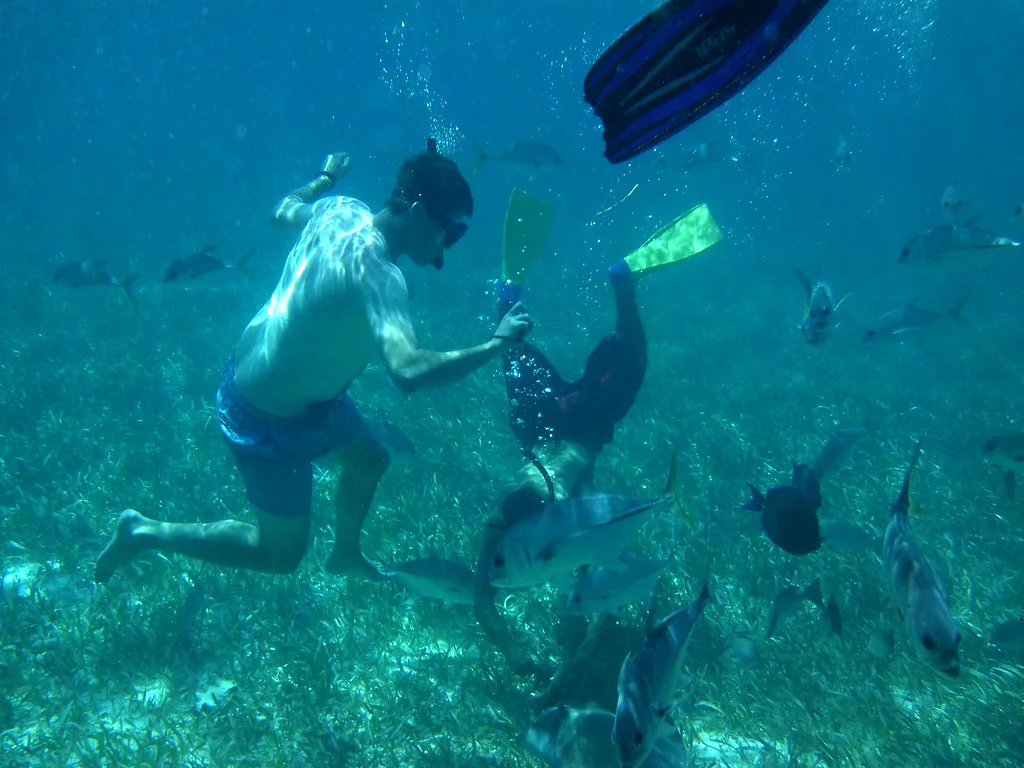
A shark snorkel is a boat trip to open water where sharks naturally gather, followed by a guided session watching them from the surface. You float above the animals while they cruise in the deeper blue beneath you, which makes the experience far calmer than the movie version most people carry in their heads. It suits travelers who are comfortable in open water and want a wildlife encounter with a clear structure and a guide in charge. If you are weighing this against warmer-water wildlife trips, our snorkeling in Belize guide covers reefs and cayes where nurse sharks and rays are the usual company.
Guides run these trips around sandbar and Galapagos sharks, species that typically stay relaxed and curious rather than aggressive toward people. Small groups and careful supervision are the reason the format works; the crew sets the pace, positions the boat, and keeps everyone where they can see the animals without crowding them. If you have ever wondered whether you would panic in the water with a shark nearby, the answer usually depends on how well the trip is briefed.
Why a shark snorkel is calmer than it sounds
The sharks on a guided snorkel generally glide past at depth instead of approaching snorkelers at the surface. Operators describe the mood as peaceful and awe-inspiring, with sharks cruising in the deeper blue below rather than acting on any interest in the people above. That gap between you and the animals is the whole design of the trip: you are a spectator at the surface, not a participant in the sharks' space.
Guided shark snorkels are managed trips with clear briefings, small groups and close supervision, and the sandbar and Galapagos sharks involved are generally not aggressive toward people.
This is a good match for adventurous travelers who want a thrill and a new respect for sharks. It is not a strong-swimmer activity, but it is an open-water one, so you should be reasonably comfortable floating in deep water with no bottom in sight. Nervous first-timers often do better with a caged format, where a barrier sits between you and the animals and takes the edge off the entry.
Where the sharks come from
Shark snorkels run at open-water sites where sharks naturally gather, reached by boat rather than by wading off a beach. Because the site is chosen for the animals rather than for easy access, the ride out is part of the trip and the water you enter is offshore, not a sheltered bay. That shapes everything else: you swim from the boat, you stay near it, and you follow the crew's instructions on where to hold position.
Trips also vary by region. Operators elsewhere in the United States run shark diving and snorkeling excursions built around reef sharks, and some combine the shark stop with other marine life on the same outing. Read the trip description from the company you are booking with to see which species the crew expects at that site and whether the encounter is a dedicated shark stop or a leg of a broader snorkel tour.
Getting in: boat-only entry and the two formats
Expect to enter from the boat, not from a beach. You will typically sit and roll or step in at the crew's direction, then hold at the surface alongside the hull or on a line the guide sets. Snorkeling here means staying at the surface with your face down, watching what passes below, rather than diving down to the sharks.
The biggest format decision is cage versus open water. A cage keeps a physical barrier between you and the animals and makes the first entry easier for anxious snorkelers, while an open-water swim with a guide gives a wider, unrestricted view and a stronger sense of being in the sharks' environment. Neither is the "real" version; pick the one that matches your comfort level, because a calm snorkeler sees more than a tense one.
How deep and how close
The sharks usually hold in deeper water below the snorkelers, so you are looking down rather than coming eye to eye. That vertical separation is normal and is part of why the encounter stays low-key: the animals pass beneath the group at their own depth while snorkelers float above. Keep your position at the surface and let the sharks set the distance.
Visibility and sea state decide how much of that you actually see. On a choppy day the surface view shortens and the ride out is rougher, while flatter water gives a cleaner look down. Ask the crew what the day's conditions are doing to the site before you head out, and treat a rescheduled trip as a reasonable outcome rather than a disappointment.
What you will see
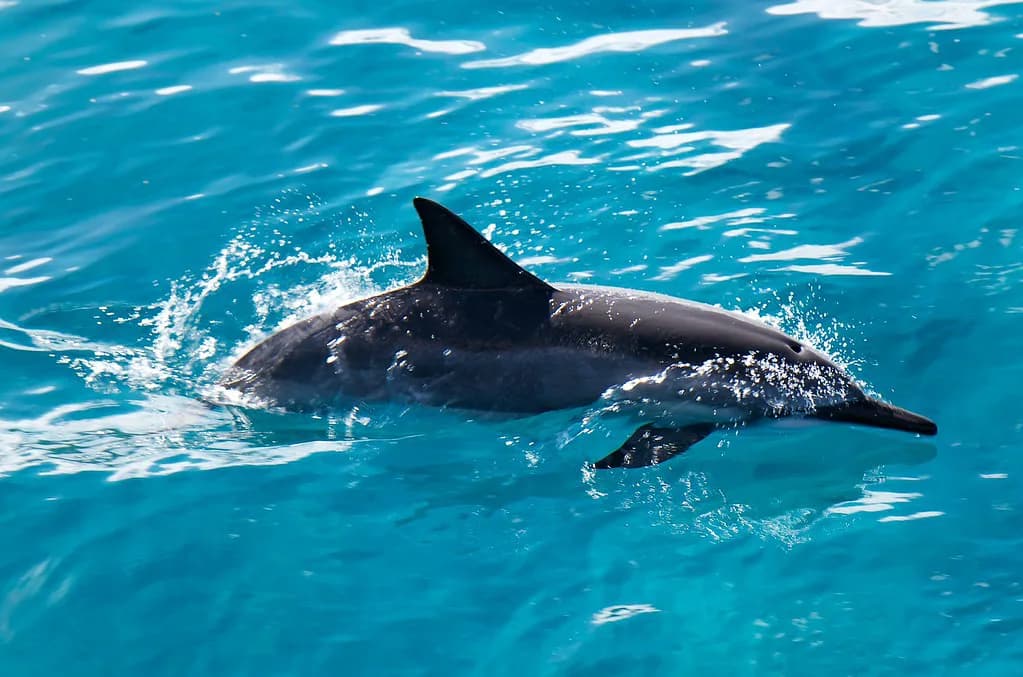
Sandbar sharks and Galapagos sharks are the species most often described on these trips. Both are sharks of open water and reef edges rather than the pelagic giants of diving mythology, and the encounter is built around watching them cruise, not around baiting them into a frenzy. Sightings are wildlife, not a guarantee, so judge a trip by the briefing and the setup rather than by a promised count.
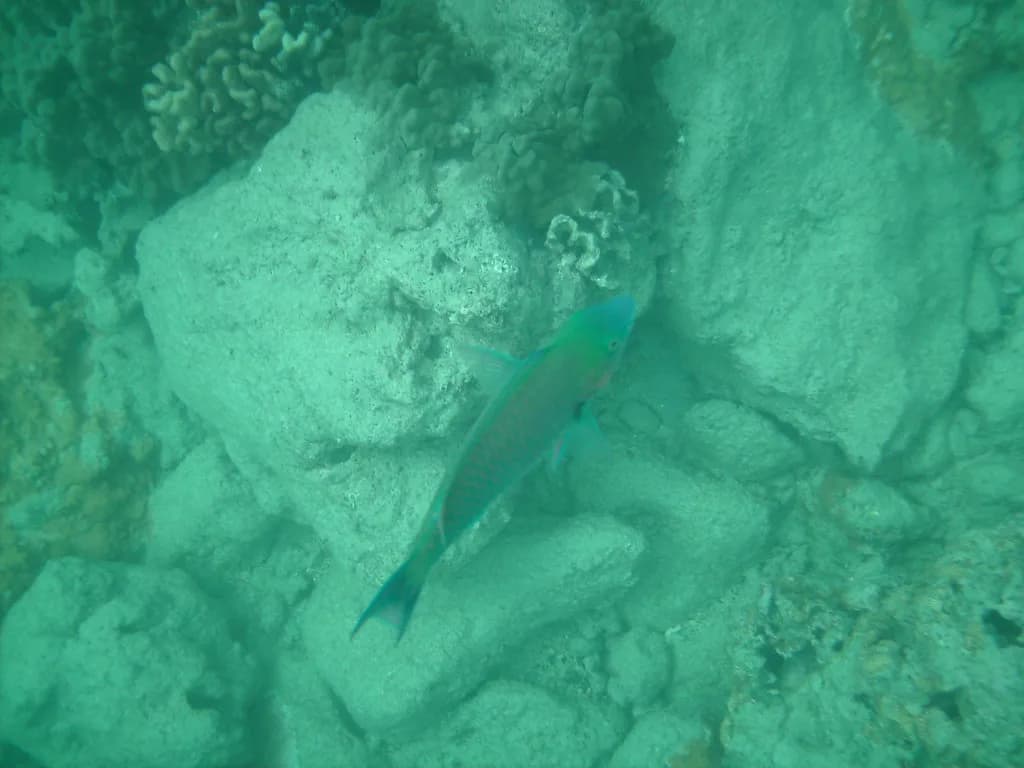
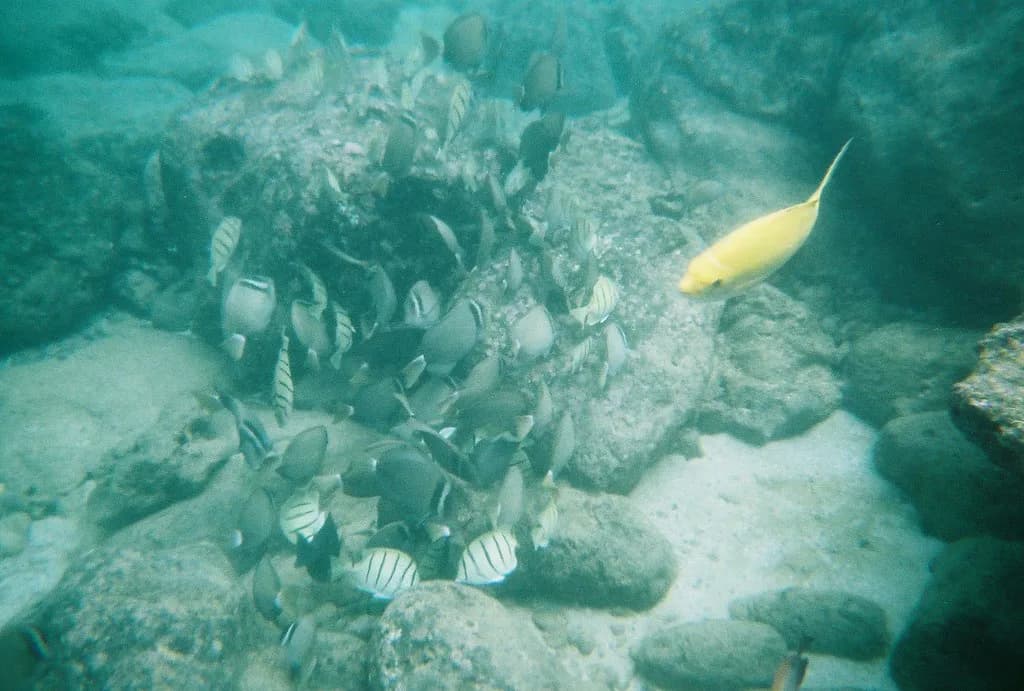
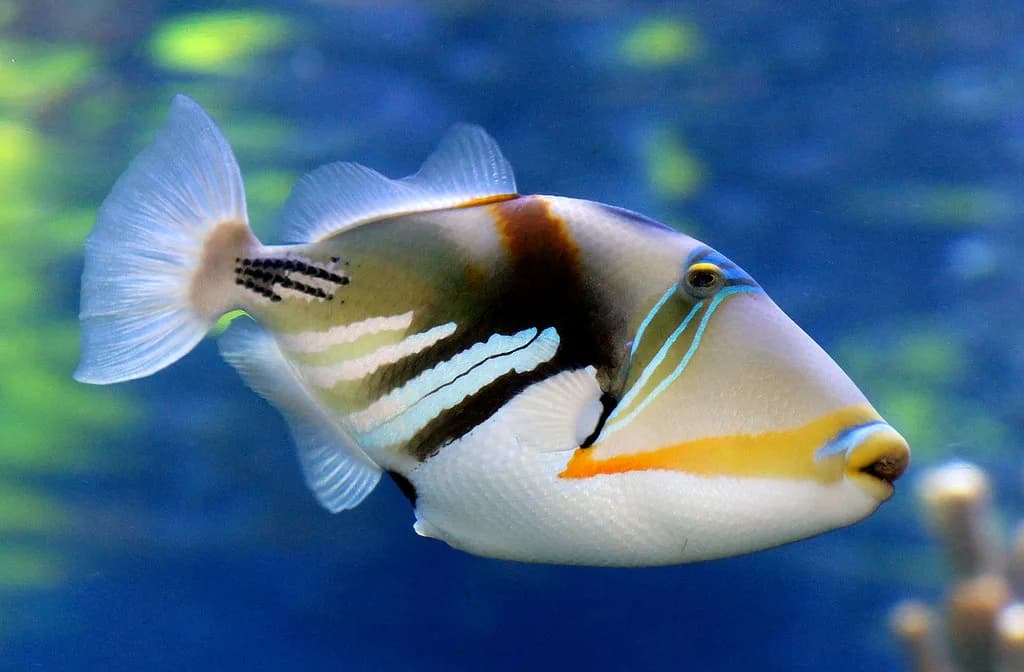
On Hawaiian departures the ride out and the surface time often turn up other reef life, and knowing what you are looking at adds a lot to a boat day. The wider catalog of hawaii reef fish covers the species you may spot around structure and in the water column, while the reef triggerfish is one of the most recognizable fish on any Hawaiian snorkel and easy to pick out once you know its markings.
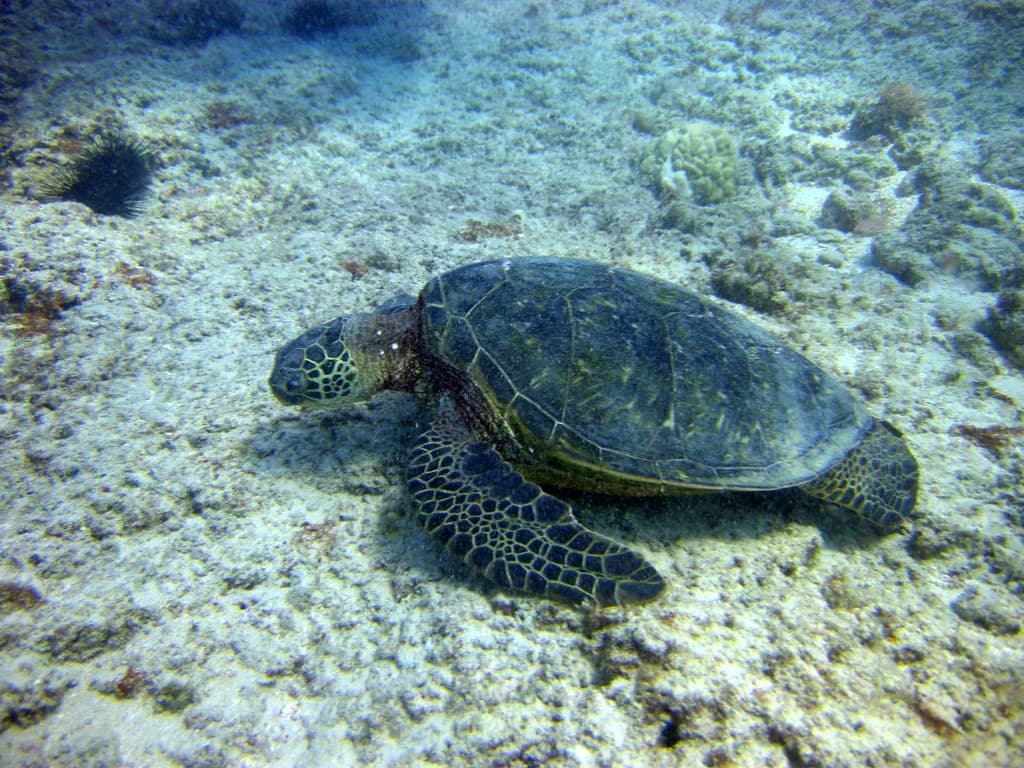
If your trip runs along a Hawaiian coastline, keep an eye out for the Hawaiian Green Sea Turtle (Honu) resting or cruising near the boat, and give it the same space you give the sharks.
Skill level and comfort in open water
You do not need to be an expert swimmer for a guided shark snorkel, since flotation is provided and you stay at the surface. What you do need is reasonable comfort in open water, because the site is offshore, the bottom is out of sight, and the boat is your reference point. If deep water alone makes you uneasy, build a few ordinary reef snorkels first or choose a caged trip.
Small groups matter more here than on a shallow reef. A short roster means the guide can watch each snorkeler, repeat the briefing for anyone who needs it, and keep the group together as the sharks move. When you compare operators, weigh group size and guide ratio as heavily as the site itself.
Best time of day and sea conditions
Morning departures usually give the calmest ride and the cleanest surface, before the day's wind builds chop on the open water. Calm seas make the boat ride easier and the view down onto the sharks clearer, so if you have a flexible schedule, book the earliest slot you can reasonably reach. The crew will cancel or move a trip when conditions turn, and that call is a sign of a well-run operation.
Hazards and posted advisories
The main exposures on a shark snorkel are the ordinary open-water ones: surface chop, the effort of the boat ride, and sun on an unsheltered deck. Follow the crew's instructions on when to be in the water and when to be back on the boat, and stay close to the hull rather than drifting off to look for more. Boat traffic around a shark site is a real consideration, which is why guides want everyone in one place.
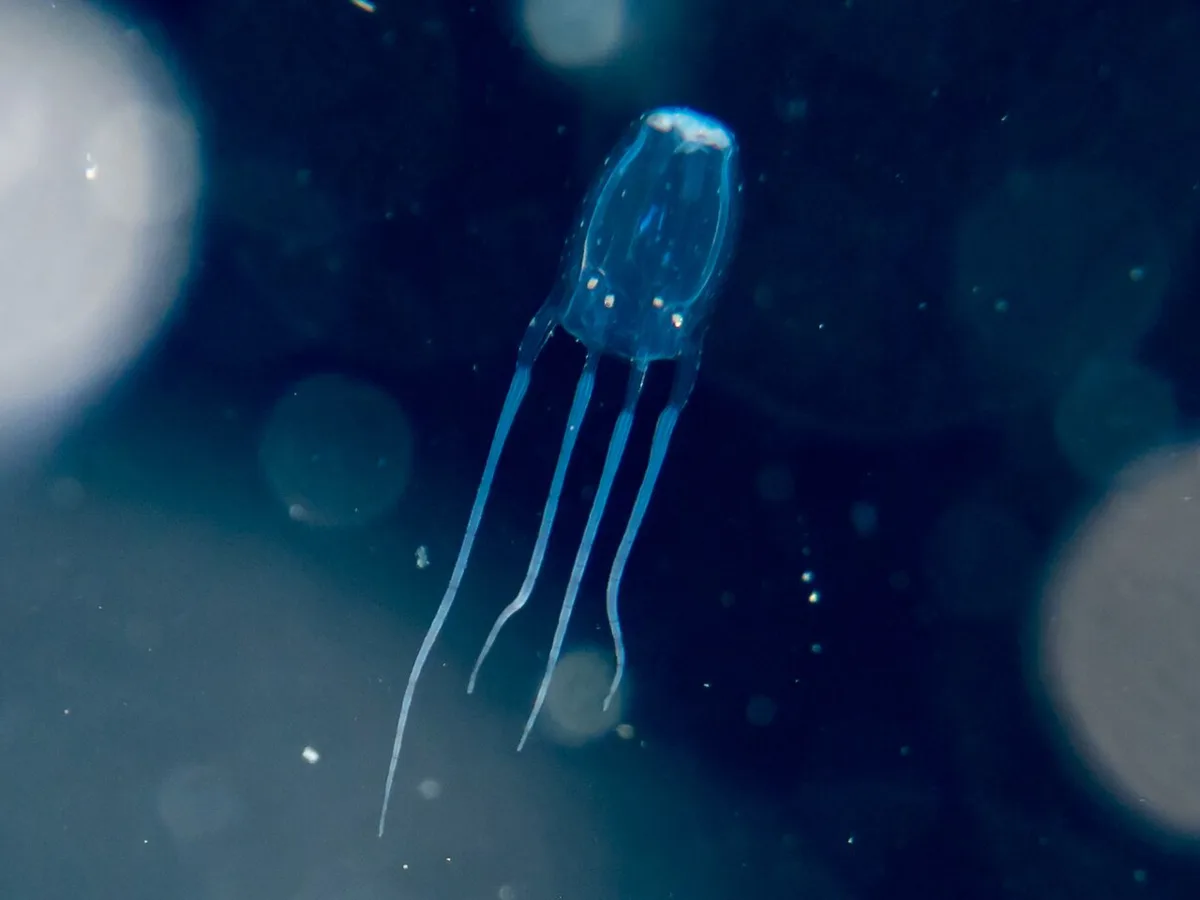
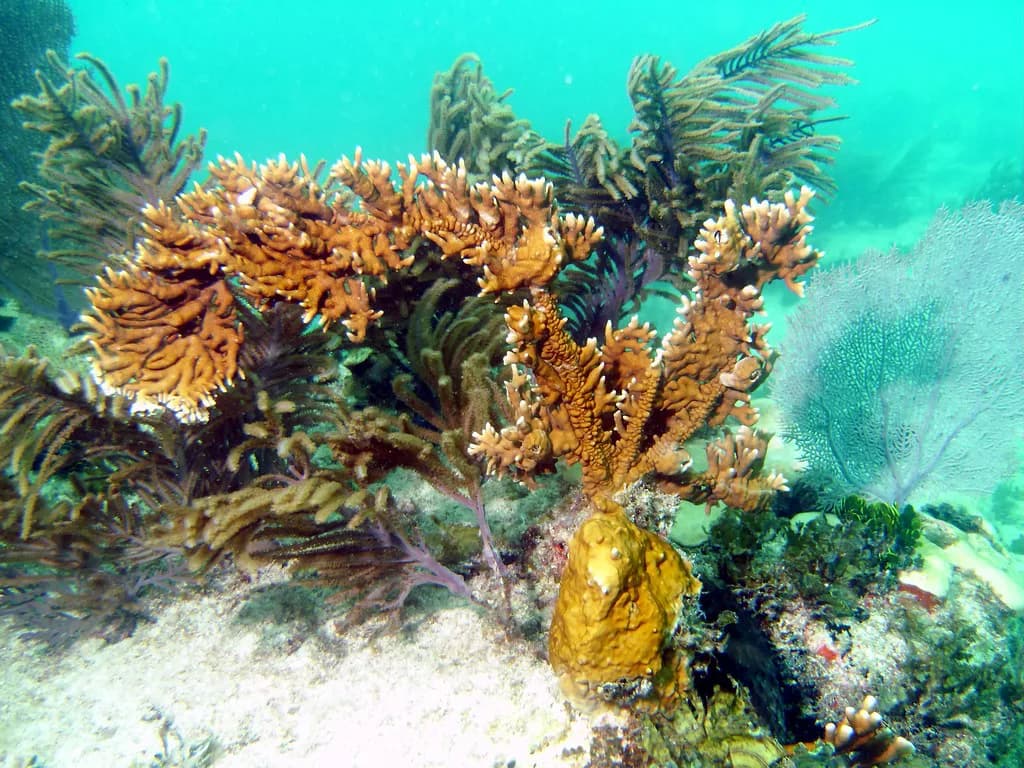
In Hawaii, box jellyfish arrivals are a known seasonal nuisance on some shores and beaches post warning signs when they show up; if your trip is scheduled near one of those periods, ask the tour company what its crew is seeing. On any reef stop, avoid contact with fire coral, which stings on touch and grows on shallow structure where snorkelers brace themselves.

Rules for watching sharks
The rules are simple and the same ones you should apply to any marine wildlife: follow your guide, keep a respectful distance, and never touch or chase the animals. The sharks are in their own habitat, and the trip only works as a conservation-minded encounter if snorkelers behave as visitors. A guide who enforces that line is doing the job properly.
Expect the briefing to cover where to hold in the water, how to enter and exit, what to do if a shark comes closer, and why feeding or grabbing at the animals is off the table. Listen to it fully; the few minutes before entry are when the guide sets the boundaries that keep both people and sharks safe. If something in the briefing is unclear, ask before you get in, not after.
Nearby snorkeling to pair with a shark trip
Shark trips are usually a half-day on the water, which leaves room to snorkel a shallow reef later or on another morning. Shifting from open water to a calm bay is a good way to build confidence in stages, and it lets you spend time on the fish and coral you will not focus on during a shark encounter. The same identification skills carry over, and you will start noticing species like the Masked Angelfish and the Flame Hawkfish that stay close to structure.
What to bring on a boat-based snorkel
Pack for an open-water boat day rather than a beach day: your own mask that fits, reef-safe sunscreen, a hat and cover-up for the ride, water, and a dry layer for the return. A light windbreaker earns its place on morning crossings even when the beach feels warm. Leave anything you cannot secure, because gear slides on a moving deck.
Bring a rash guard for surface time and a towel you can keep dry until the end. If you use a camera, tether it; a dropped housing is gone at a shark site. Everything else, including flotation, usually comes from the crew, so confirm what is supplied when you book.
Plan Your Visit
Book a shark snorkel for the format you can handle calmly: cage if you want a barrier, open water with a guide if you want an unrestricted view of sharks cruising below. Choose a morning departure for the flattest ride, ask what the crew supplies, and read the briefing carefully before you enter. The trip rewards a snorkeler who stays put at the surface and watches.
Frequently Asked Questions
Is shark snorkeling safe?
Guided shark snorkels are managed trips with clear briefings, small groups and close supervision, and the sandbar and Galapagos sharks involved are generally not aggressive toward people. You stay at the surface with flotation while the sharks cruise below. Choose a cage format if you want a physical barrier on your first trip, and check current details when you book.
Do you need to be a strong swimmer to snorkel with sharks?
No. Flotation is provided and you stay at the surface, so strong swimming is not the requirement. Comfort in open water is, because the site is offshore and the bottom is out of sight. If deep water makes you uneasy, build up with a few shallow reef snorkels first.
What sharks do you see on a shark snorkel?
The usual species described on these trips are sandbar sharks and Galapagos sharks, both of which hold in deeper water and cruise below the group. They are wild animals, so sightings vary by day and no operator can promise a specific number. Judge a trip by its briefing and guide setup.
Is a cage or open-water shark snorkel better for beginners?
A cage suits a nervous first-timer because the barrier makes the first entry easier and keeps a clear boundary. An open-water swim with a guide gives a wider view and a stronger sense of the habitat, but it asks more of your composure. Choose by which one will let you stay calm at the surface.
What should you not do around sharks in the water?
Do not touch, feed or chase the animals, and do not drift away from the group or the boat. Follow the guide's directions on where to hold in the water and how to enter and exit. The sharks are wild, and the encounter depends on snorkelers keeping a respectful distance.
Sources
Snorkeling notes for your next trip
Optional updates to our snorkeling guides.
You might also like
Continue reading
More guides you'll find useful