Snorkeling With Turtles: Marine Life Guide for Planning
Snorkeling with turtles comes down to the right reef, a respectful distance and calm water. Learn how honu behave and how to plan a safe, ethical swim.
On this page
A good turtle snorkel is decided before you get wet: the right reef, the right hour and a clear understanding that the animal sets the terms. Hawaiian green sea turtles, called honu, are large, air-breathing and genuinely indifferent to snorkelers, which is exactly why encounters feel so unhurried when you keep your distance. This guide covers where turtles actually gather, how to approach them legally and safely, and how to choose between walking in from the beach and riding out to an offshore reef.
It suits families with kids, first-timers and nervous swimmers as much as confident ones, because the best turtle habitat is usually shallow, sheltered and close to a sand channel. What it does not suit is chasing a photo at close range: turtles surface to breathe on their own schedule and deserve room when they do.
Why turtles gather on certain reefs
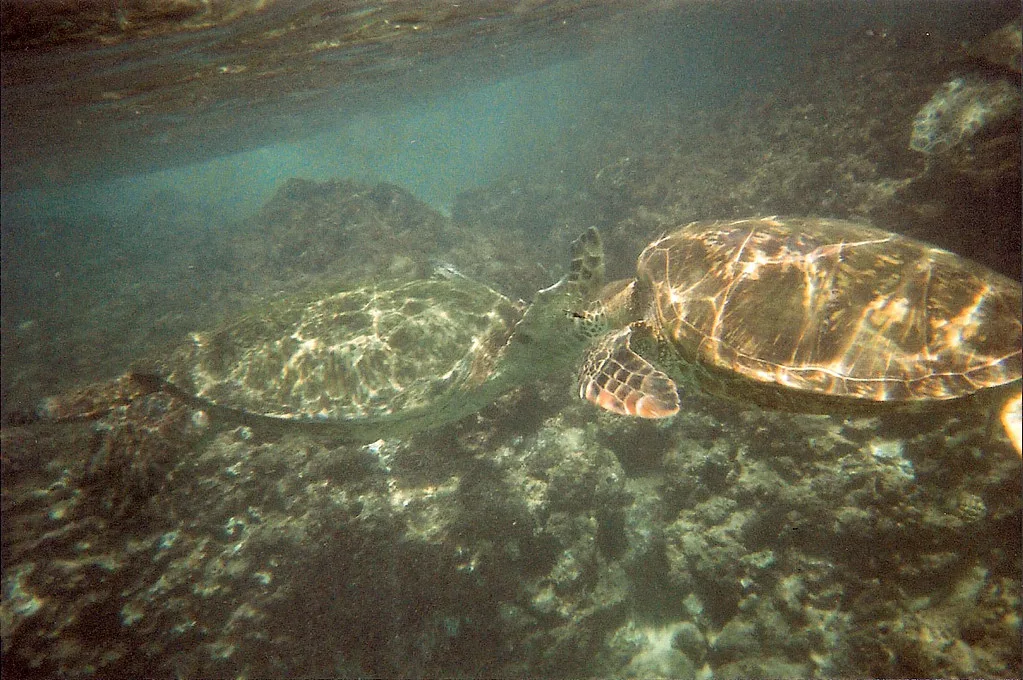
Turtles need three things from a reef: algae to graze, ledges to rest under and cleaning stations where reef fish pick parasites and algae off their shells. Cleaning stations are the reason some reefs hold turtles almost daily while an identical-looking stretch of coast nearby stays empty, since the turtles return to the same coral heads to be serviced.
Operator guidance for Hawaiian honu puts the minimum at 10 feet, or about 3 meters, at all times, with no touching, chasing or feeding.
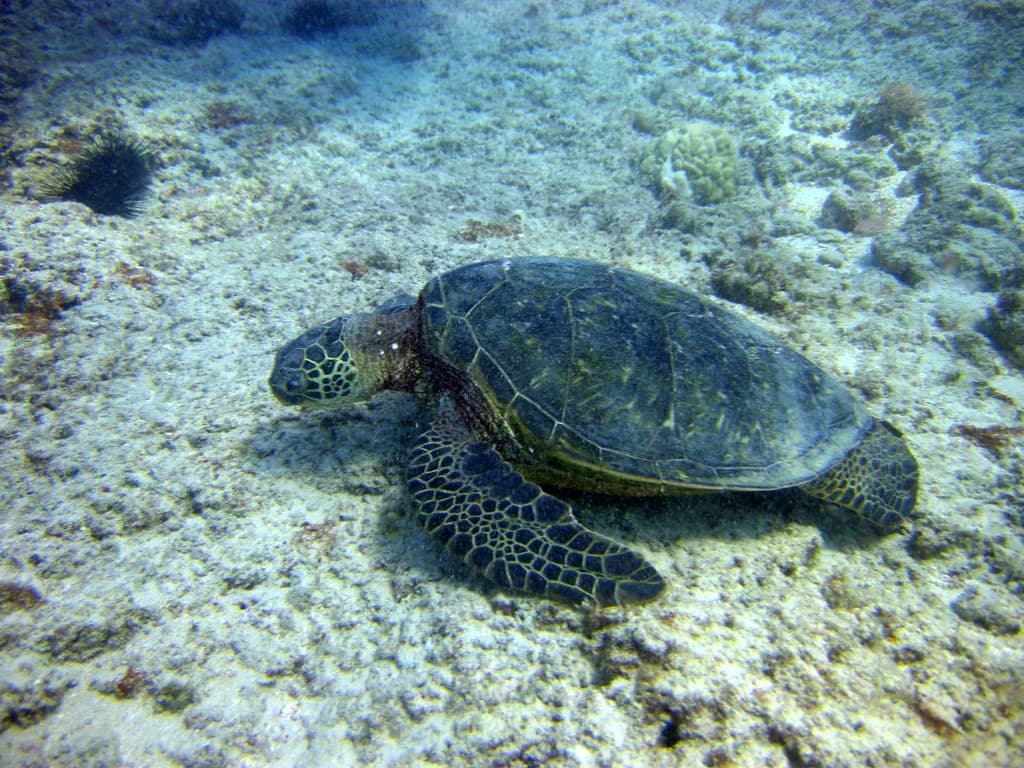
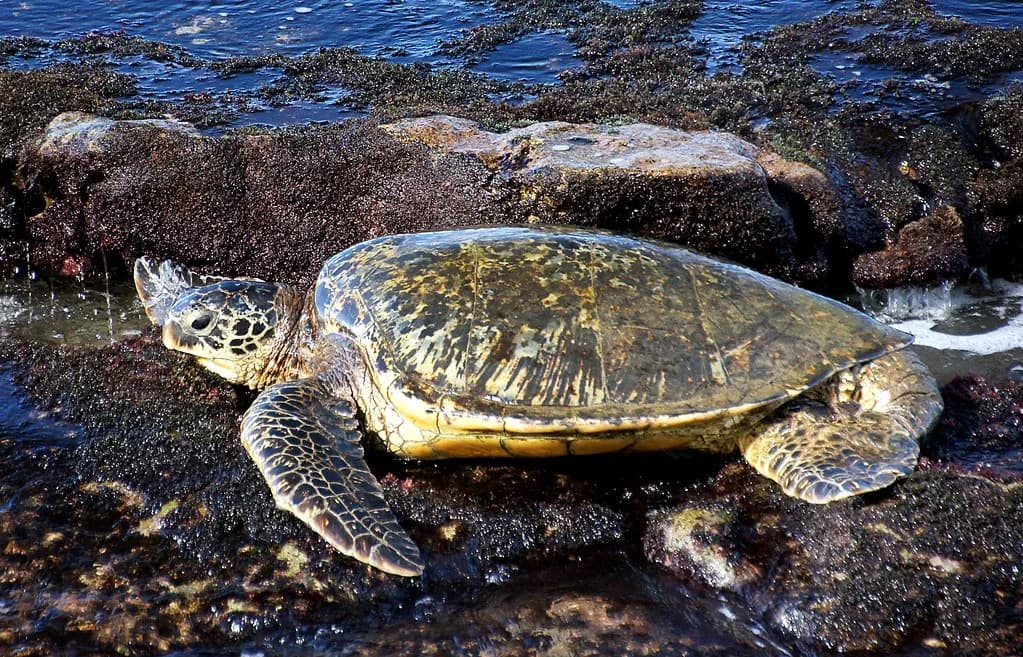
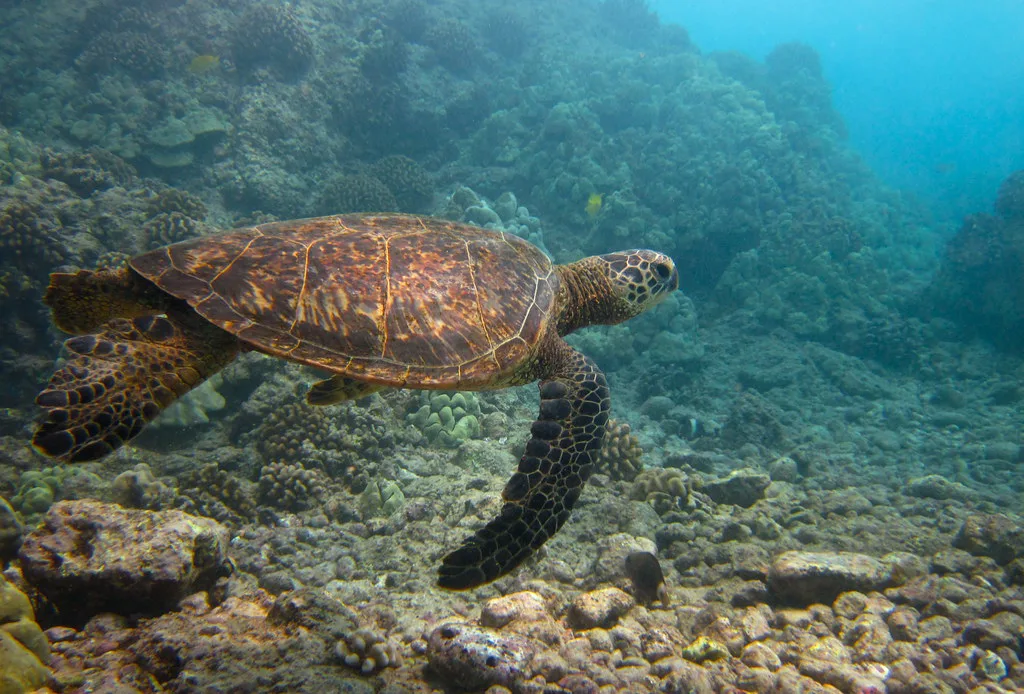
Grazing behavior looks different: a turtle with its head down over rock or coral, biting at algae, is feeding and will move slowly along a set route. Resting turtles sit on the bottom, often under a ledge, and can stay down for long stretches. Knowing which of the three you are watching tells you whether to hold still at a distance, drift past quietly, or leave the animal entirely alone.
How close you can get
Living Ocean Tours, which runs turtle snorkel trips off Waikiki, states that snorkelers must stay at least 10 feet, or about 3 meters, from honu at all times, and that touching, chasing or feeding them is off limits. Treat that spacing as a hard floor rather than a goal, because a turtle that turns toward you closes the gap fast.
The distance protects the animal rather than the snorkeler: it lets a turtle come up for air, feed and rest without being crowded, which matters most at cleaning stations where several animals may queue up. Guidance from Bama Breeze in the Virgin Islands makes the same point for Caribbean turtles, suggesting a minimum of 1.5 meters or roughly 10 feet and approaching from the side rather than head-on. The same etiquette and its local rules are covered in this Akumal Snorkeling Guide: Turtles, Rules & Best Time to Go.
In practice, the workable technique is to stop swimming when a turtle surfaces near you, keep your hands at your sides and let it pass. If it dives or turns away, you are too close.
Shore entry versus boat access
Shore snorkeling costs nothing in logistics and puts you in the water on your own schedule, but the turtle reefs you can wade to are also the ones everyone else can reach, and foot traffic stirs sand that kills visibility. Boat access reaches offshore cleaning stations such as Turtle Canyon off Waikiki that cannot be swum to from the beach, which Living Ocean Tours credits for clearer water, calmer surface conditions and fewer people in the water. Check current prices and departure times with the tour company before booking.
The trade-off is cost, a fixed departure and a group size you do not control. Choose shore entry when you want flexibility and are comfortable reading surf and current yourself; choose a boat when travelling with kids, when you want flotation and a briefing provided, or when the beach on your list faces open ocean swell.
Reading turtle behavior
A turtle that lifts its head and starts upward is heading for the surface to breathe, so give it clear water above and do not swim into its path. A turtle resting on the bottom with fins tucked is not an invitation to descend for a closer look; hovering well above keeps you out of its escape route. Grazing turtles move in short bursts and pause often, which makes them easy to follow at a respectful distance without ever gaining on them.
Watch your own position too. Turtles often surface beside snorkelers who lost track of them while looking down, so lift your head every minute or so and scan the surface around you.
Reef layout and depth
Turtle reefs generally run in a simple pattern: a shallow sand flat at the entry, a band of coral heads and rock where algae grows, then a sand channel or drop-off where the reef ends. Turtles work the coral band and the cleaning stations on the coral heads, so the productive zone is usually 5 to 15 feet deep, comfortably within snorkel range.
Enter wherever the sand is clear and never stand on coral to adjust your mask. If the entry is rocky, put your gear on in the shallows and float out over sand until the bottom drops away.
What you will see besides turtles
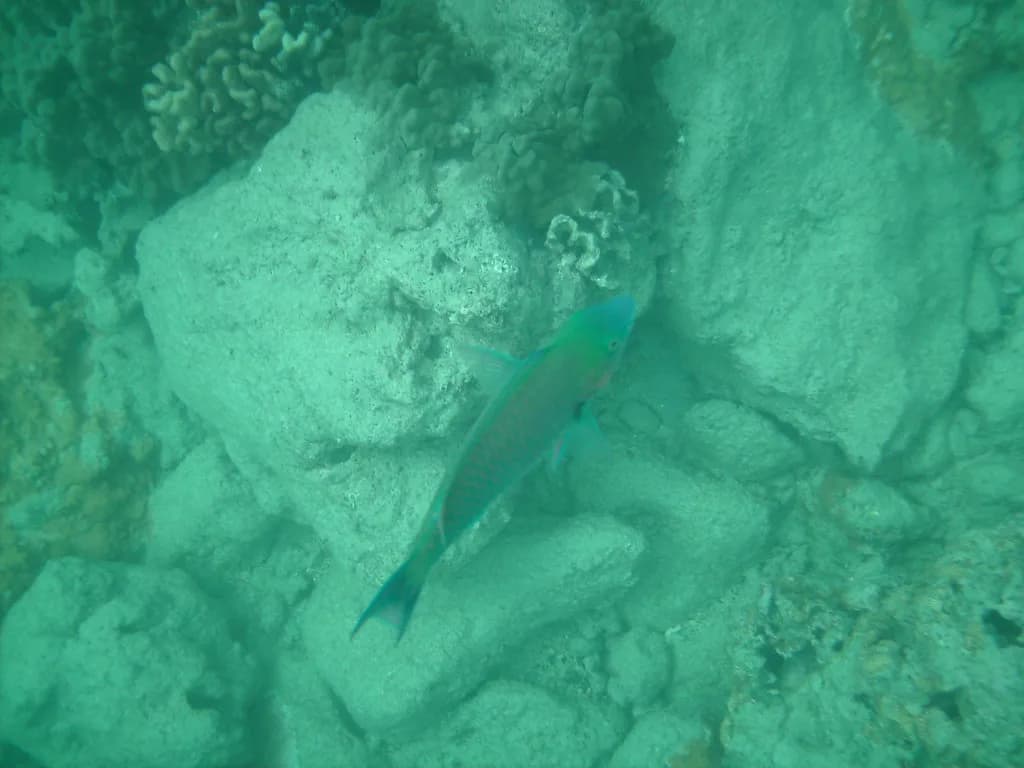
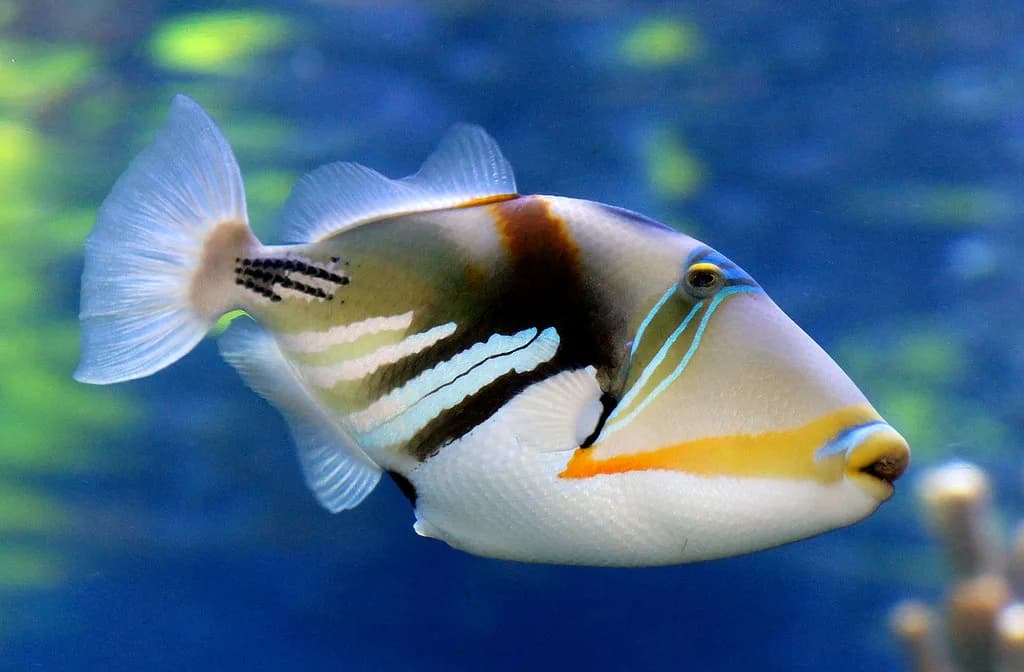
Turtle reefs in Hawaii are busy with herbivores and cleaners: yellow tang graze in bright disc-shaped groups, parrotfish crunch coral and butterflyfish pick across the heads, and you may hear parrotfish chewing before you spot them. Hawaii's state fish, the humuhumunukunukuapuaa, is a reef triggerfish with a Picasso-like pattern that turns up on shallow turtle reefs, and the wider hawaii reef fish that share these grounds reward a slow swim rather than a fast one.
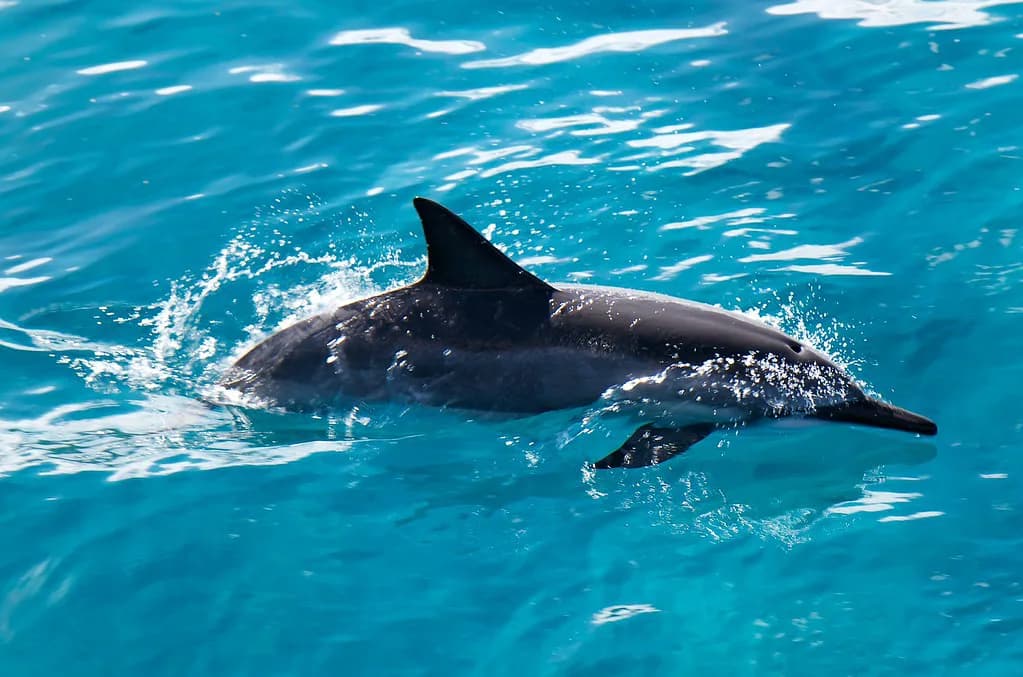
Offshore sites can add eagle rays gliding over sand and, in season, spinner dolphins passing through, while humpback whales are sometimes visible from the boat between December and March. None of these is a guarantee, so plan the day around turtles and treat everything else as a bonus.
Skill level and who each approach suits
Shore-based turtle snorkeling suits confident swimmers who can handle a small shore break and judge current from the beach, and it is a poor fit for young kids on a rough day. Boat-based snorkeling suits first-timers, families and weak swimmers because crews brief the group, fit masks, hand out flotation and supervise the water, though you still need to be comfortable floating with your face down.
If anyone in your group is uneasy, plan around a sheltered, sandy-entry reef and skip sites exposed to open swell. A swim noodle or vest lets a nervous snorkeler float and watch turtles from the surface without treading water.
Best time of day and season
Mornings usually bring the lightest wind and clearest water, and offshore visibility at Turtle Canyon is often best early, which is why operators favor morning departures. Turtles are present year-round in Hawaii, so the variable is the ocean rather than the animals.
On Oahu, summer from May through September delivers the calmest water on the North Shore, where big winter surf can rule out snorkeling for months. Sheltered Waikiki-side reefs stay workable most of the year, so a winter trip is better spent on the south and west coasts than chasing a North Shore beach day.
Hazards to plan around
Turtle reefs carry ordinary ocean hazards: surge pushing you onto coral, currents running along a point, boat traffic near popular offshore sites and the North Shore's winter swell. Laniakea Beach, the famous Turtle Beach, is exposed to that swell and crowds, and Electric Beach is known for strong currents, so neither is a beginner's default on a rough day.
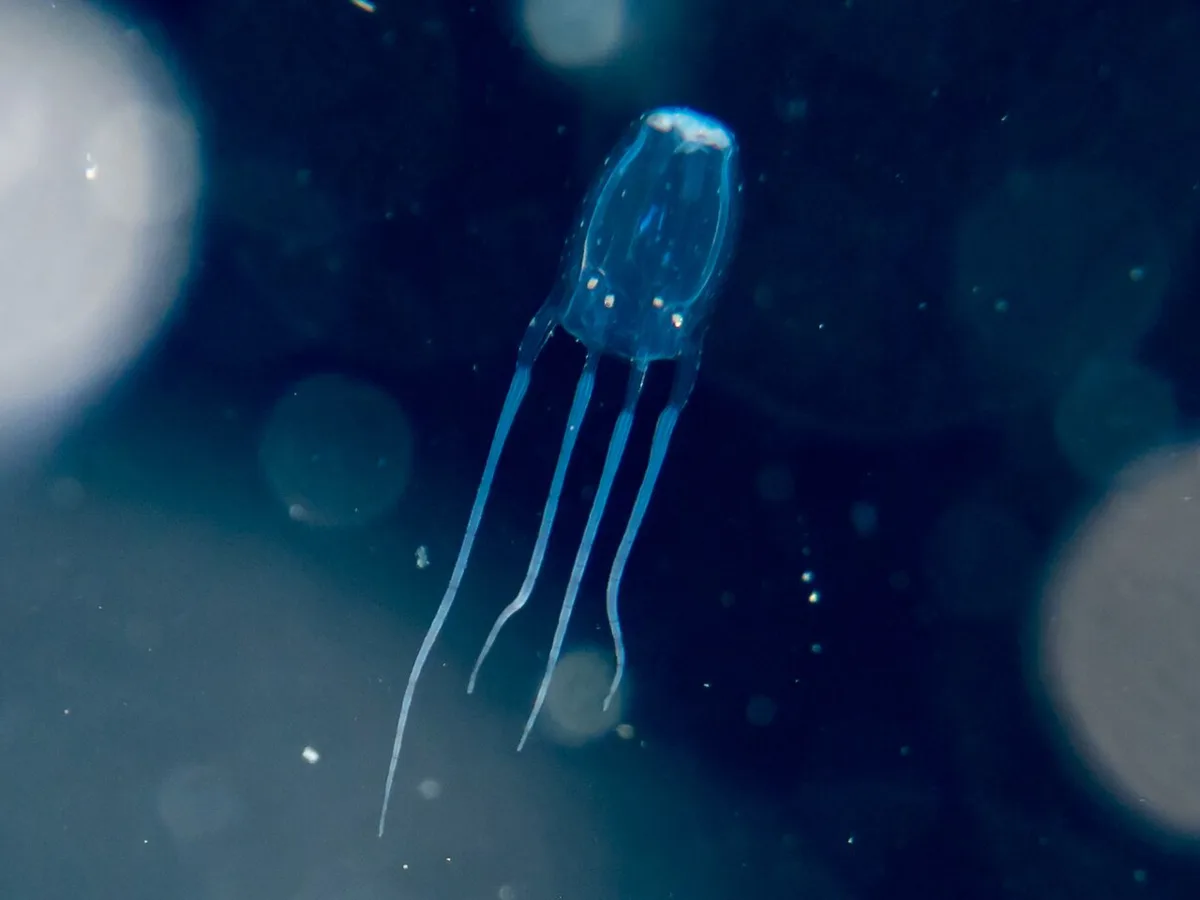
In Hawaii, box jellyfish arrivals tend to follow a monthly pattern around the neap tides, which some beaches post warnings for; a posted advisory is reason to move to another bay rather than swim around it. Check the ocean-safety forecast for your coast before driving out, and ask the lifeguard about current at the specific entry.
Gear and prep that matter
Three items decide whether a turtle snorkel is pleasant: a mask that seals, a snorkel you can breathe through slowly and enough flotation to float without effort. Test a mask by pressing it to your face without the strap and inhaling; if it holds for a few seconds, the seal is good. Practicing slow breaths above water before you put your face in prevents the panic that ruins a first swim.
Reef-safe sunscreen should go on at least 30 minutes before you enter the water so it absorbs instead of washing straight off onto coral, and a rash guard reduces how much you need. Fins help you hold position in current without using your hands, which keeps them away from turtles and coral alike.
Rules, sunscreen and sharing the reef
Hawaii's green sea turtles are protected under both state and federal law, and operators brief guests on the 10-foot viewing distance, the no-touch rule and leaving turtles free to surface and rest. Those rules exist because a crowded cleaning station makes turtles abandon the site, which removes the very thing you came to see.
Watch your hands as well as your fins: fire coral on shallow reef rock delivers a sting on contact, and it often grows exactly where you would brace yourself at a rocky entry. Float instead of grabbing.
Nearby spots to combine
A Waikiki-based turtle day pairs easily with a sheltered south-shore beach in the morning and a second, shallower swim after lunch, since the reefs off Waikiki are close together and the water stays calm on most days. Divers and strong snorkelers sometimes add an offshore reef trip on a second day rather than trying two sites in one morning.
On the North Shore, keep a turtle beach stop as a viewing walk rather than a swim when the swell is up, and shift snorkeling to the west or south coast. That way a winter trip still puts you in the water on the calm side of the island.
Planning a boat tour
A well-run turtle tour handles the parts that are hardest to improvise: transport to an offshore cleaning station, sanitized masks and fins in the right sizes, a safety briefing and a guide in the water managing distance. Ask before booking how many snorkelers go in at once, whether flotation is provided and what the crew does if conditions turn.
Compare operators on group size, in-water supervision and wildlife policy rather than on promises of sightings. A crew that enforces the viewing distance and keeps groups small is also a crew that keeps the cleaning station worth returning to.
Plan Your Turtle Swim
Build the day around calm water and a single good reef: an early start, a sheltered entry or a short boat ride, a mask that seals and a firm rule that turtles get the right of way. Keep 10 feet, keep your hands to yourself and let the cleaning station come to you.
If conditions look marginal, ask the lifeguard or the tour operator about current and surf at your chosen entry before committing the morning.
Frequently Asked Questions
How close can you get to a sea turtle while snorkeling?
Operator guidance for Hawaiian honu puts the minimum at 10 feet, or about 3 meters, at all times, with no touching, chasing or feeding. Caribbean guidance from Bama Breeze suggests the same 1.5-meter spacing and approaching from the side. Stop swimming when a turtle turns toward you so it can pass.
Are Hawaiian green sea turtles protected by law?
Yes. Hawaii's green sea turtles are protected under state and federal law, and tour crews brief guests on the viewing distance and no-touch rules before entering the water. The rules are there to keep turtles using their feeding and cleaning sites.
What is the best time of year to snorkel with turtles in Oahu?
Turtles are present year-round, so the season question is really about water conditions. Summer, roughly May through September, gives the calmest water on the North Shore, while sheltered Waikiki-side reefs are workable most of the year. Mornings generally offer the clearest water.
Can kids snorkel with turtles?
Yes, and a boat-based trip is usually the easier fit because crews provide kid-sized masks, flotation and in-water supervision. Ask about age recommendations and group size beforehand. On shore, choose a sandy, sheltered entry and keep children within arm's reach.
What if I am not a strong swimmer?
You can still watch turtles from the surface with a life vest or pool noodle, which lets you float without treading water. A guided trip gives you a briefing, a guide in the water and a fixed site with calmer conditions than an exposed beach. Practice slow breaths through the snorkel before you put your face down.
What else can you see on a turtle snorkel?
Expect herbivores and cleaners: yellow tang, butterflyfish, parrotfish and Hawaii's state fish, the humuhumunukunukuapuaa. Offshore sites may add eagle rays and, in season, spinner dolphins, with humpbacks sometimes visible from the boat between December and March. None of these is guaranteed.
Why do turtles gather at cleaning stations?
Reef fish pick algae and parasites off turtle shells at fixed coral heads, and turtles return to the same stations repeatedly. That is why some reefs hold turtles reliably while similar-looking coast nearby stays empty. Keep your distance at a station so turtles are not driven off.
Is shore snorkeling or a boat tour better for seeing turtles?
Shore entry gives flexibility and no schedule, but foot traffic stirs sand and conditions depend on the swell. A boat reaches offshore cleaning stations that cannot be swum to from the beach, with calmer surface conditions and fewer people in the water. Families and first-timers usually get more out of the boat option.
Sources
Snorkeling notes for your next trip
Optional updates to our snorkeling guides.
You might also like
Continue reading
More guides you'll find useful