Weeki Wachee Snorkeling: River and Buccaneer Bay Guide
Snorkel Weeki Wachee's clear spring river and Buccaneer Bay swim area. See how to get in, what fish and manatees you may see, and how to plan a day.
On this page
Weeki Wachee rewards snorkelers who want clear, cool freshwater and a slow drift past turtles, bass and wading birds rather than a coral reef. The park suits families using the Buccaneer Bay swim area and paddlers who float the spring-fed river; strong open-water swimmers looking for depth and reef structure should look elsewhere on the Nature Coast.
The setup is simple to plan around: one address on Commercial Way in Spring Hill, a spring run that flows toward the Gulf, and a marked downstream route that ends at a pickup point. What follows covers entry points, the wildlife mix, the winter manatee window, current and boat traffic, and how capacity shapes your arrival time.
A Spring-Fed River, Not a Reef
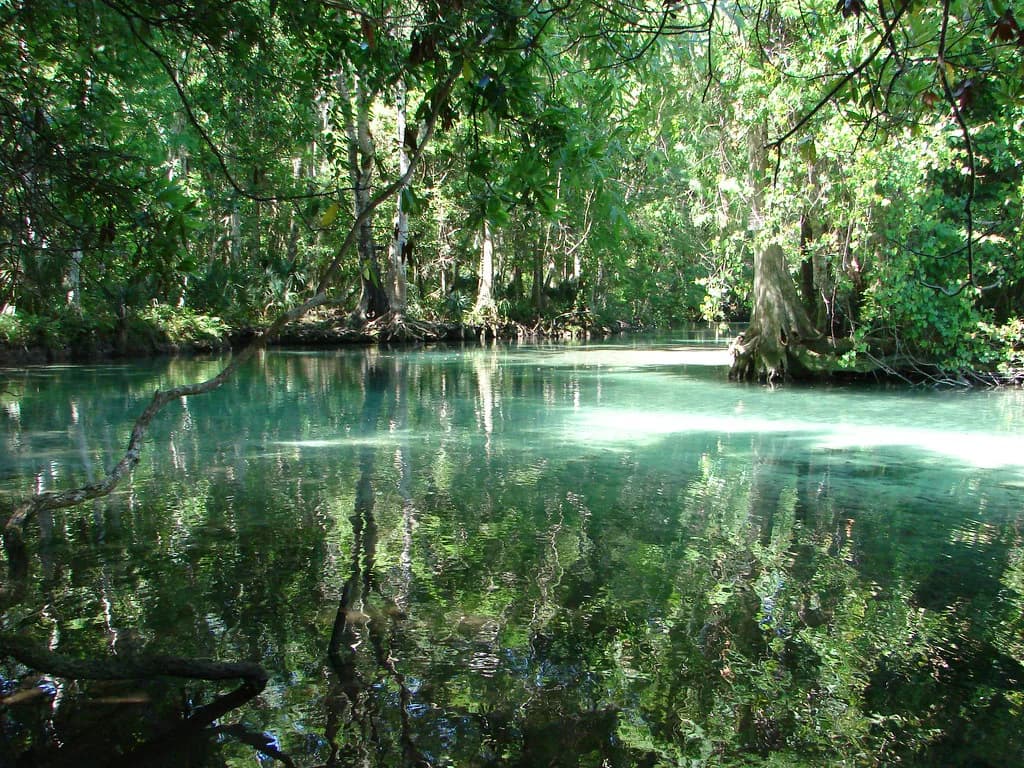
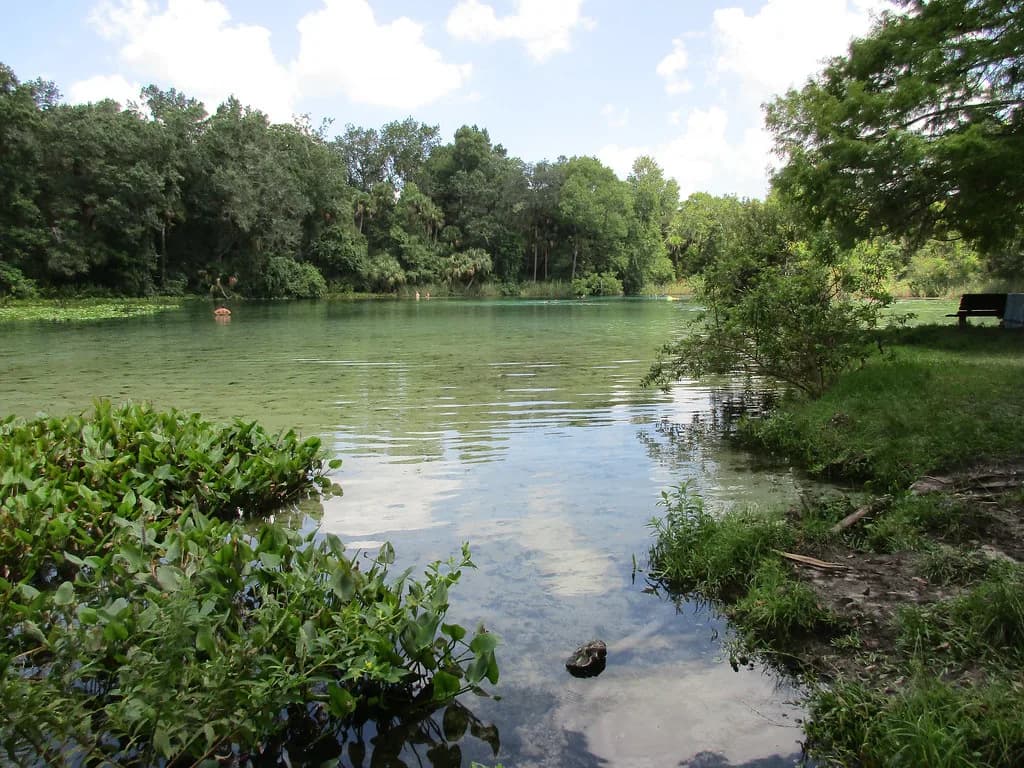
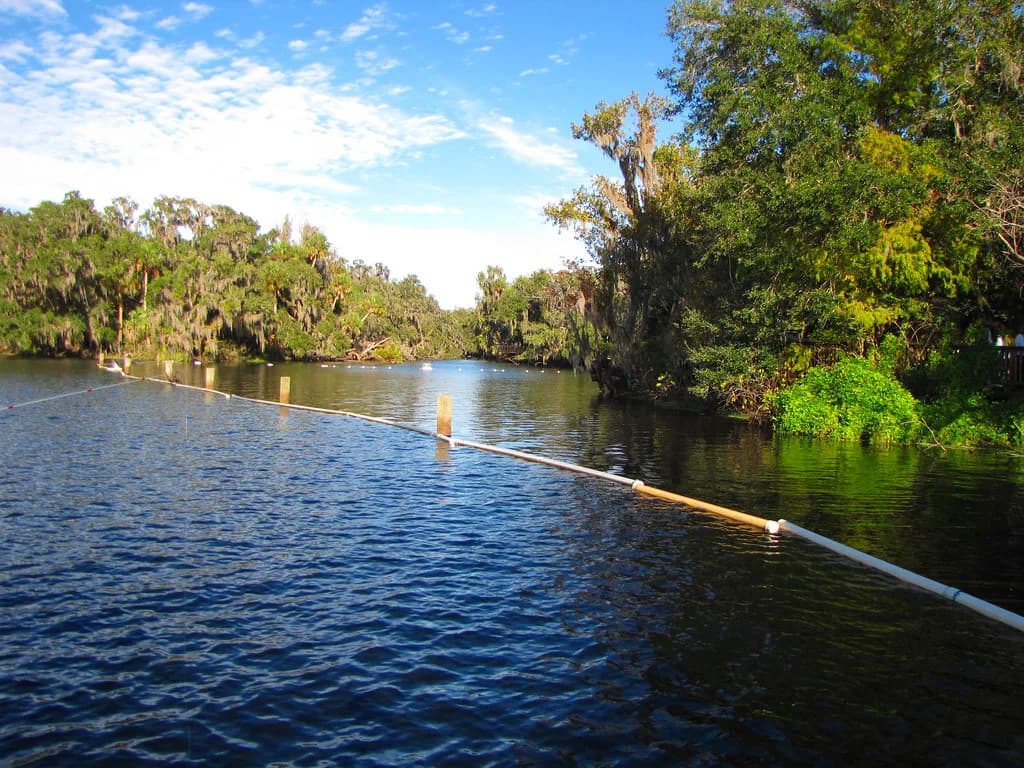
Weeki Wachee Springs State Park sits in the heart of Florida's Nature Coast, and its draw is the water itself: clear spring flow that forms a river rather than a saltwater reef. That means no coral and no reef fish; instead you get a limestone-fed run with good visibility, a sandy and grassy bottom, and freshwater species holding near fallen logs and vegetation. Snorkelers who accept that trade-off get an easy, close-up wildlife experience, while reef divers will find the river shallow and short on structure.
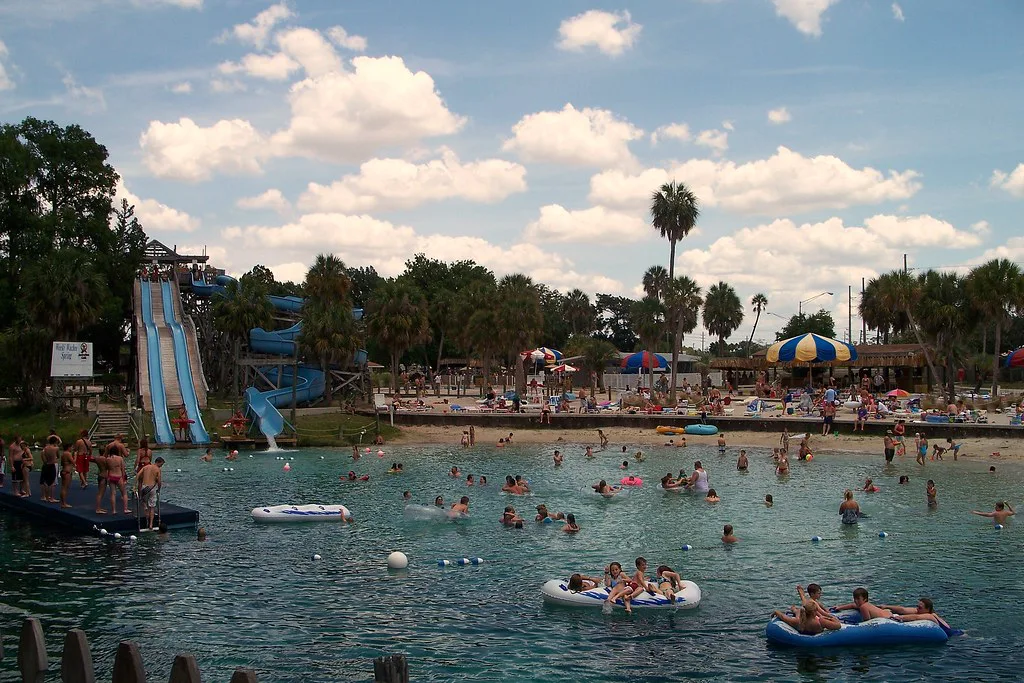
Treat the park as two separate swims. Buccaneer Bay is the waterpark and swim area inside the park, and the river run is the downstream float that most snorkelers pair with a rental kayak or paddleboard. Knowing which one you are planning for decides your gear, your timing and whether you need a reservation.
Where It Is
The park entrance is at 6131 Commercial Way, Spring Hill, FL 34606, a short drive from Hernando Beach and the wider Nature Coast corridor north of Tampa. The address matters because the river and the swim area share one entrance, so you park once and walk to whichever activity you have planned.
Plan the drive around a full park day rather than a quick stop. With mermaid shows, a waterpark, boat tours and paddling all inside the same gate, the parking lot and entry line set the pace of your morning; arriving at opening keeps the river section quieter and leaves the afternoon free.
Getting In: Buccaneer Bay and the River Route
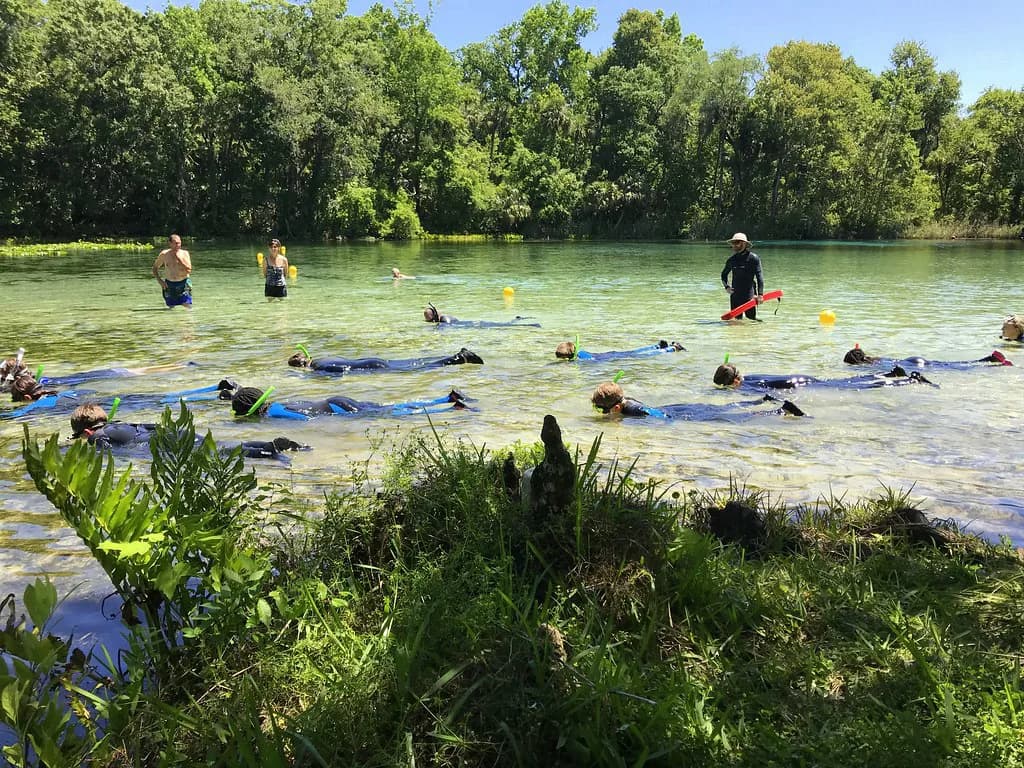
Buccaneer Bay is the in-park swimming and waterpark area, which makes it the straightforward choice for families with young children and anyone who wants to swim without committing to a downstream float. A mask and snorkel work fine for peering along the edges of the swim area; this is a place to get comfortable in spring water, not to cover distance.
The river option runs downstream from the park through a marked 2.8-mile route with signs pointing to the pickup point, so you do not paddle back against the flow. That one-way layout is what makes the river workable for mixed-ability groups; the catch is that rentals must be returned within a two-hour window, which sets a firm clock on your time on the water.
How Far and How Deep
Think of the river in two parts. The head spring is the source, where flow is strongest; SUP Englewood puts the head spring current at roughly 5 mph, fast enough that swimming upstream takes real effort while floating downstream is nearly effortless. Below the head spring the run spreads into a broader channel where you can stop, mask up and look along the banks.
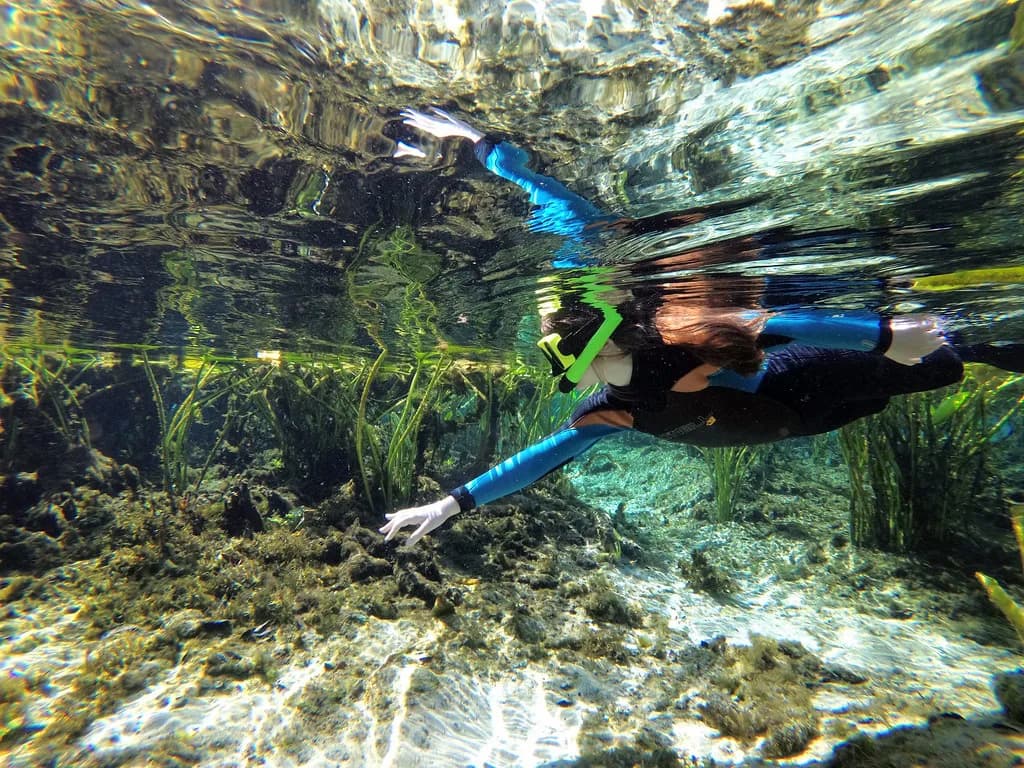
The snorkeling is shallow and bank-hugging rather than deep. You will get the most from the river by drifting close to overhanging vegetation and fallen timber, where fish hold, and by keeping your body low and still so you do not silt up the bottom. Deeper holes exist along the run, but the productive zone is the shaded edge, not the middle of the channel.
What You Will See
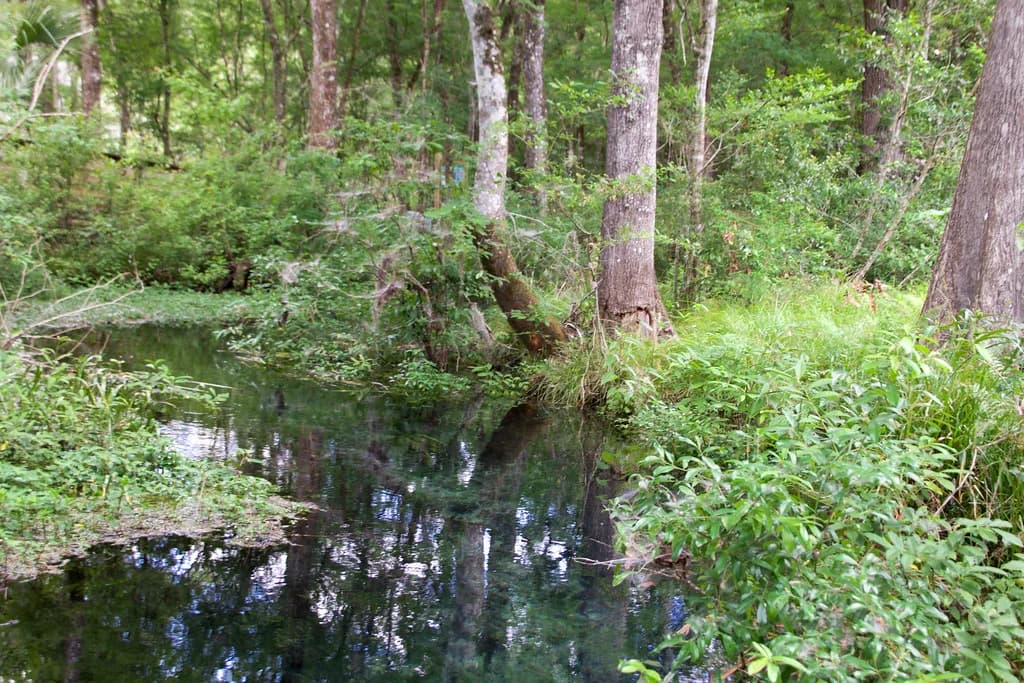
The river's wildlife mix is freshwater and bird-heavy: largemouth bass, freshwater turtles, herons, egrets, anhinga and osprey, with oak, slash pine and cabbage palm lining the banks. Snorkelers who slow down at the vegetated edges see far more than those who paddle straight through, because turtles and bass use cover rather than open water.
Birdlife is part of the snorkel here in a way it is not on a reef. Osprey hunt over the channel, anhinga dry their wings on snags, and herons work the shallows, so keep your head up periodically and give nests and perches a wide berth. Never chase, touch or feed any animal, and give manatees and turtles room to move away on their own.
Manatees in Winter
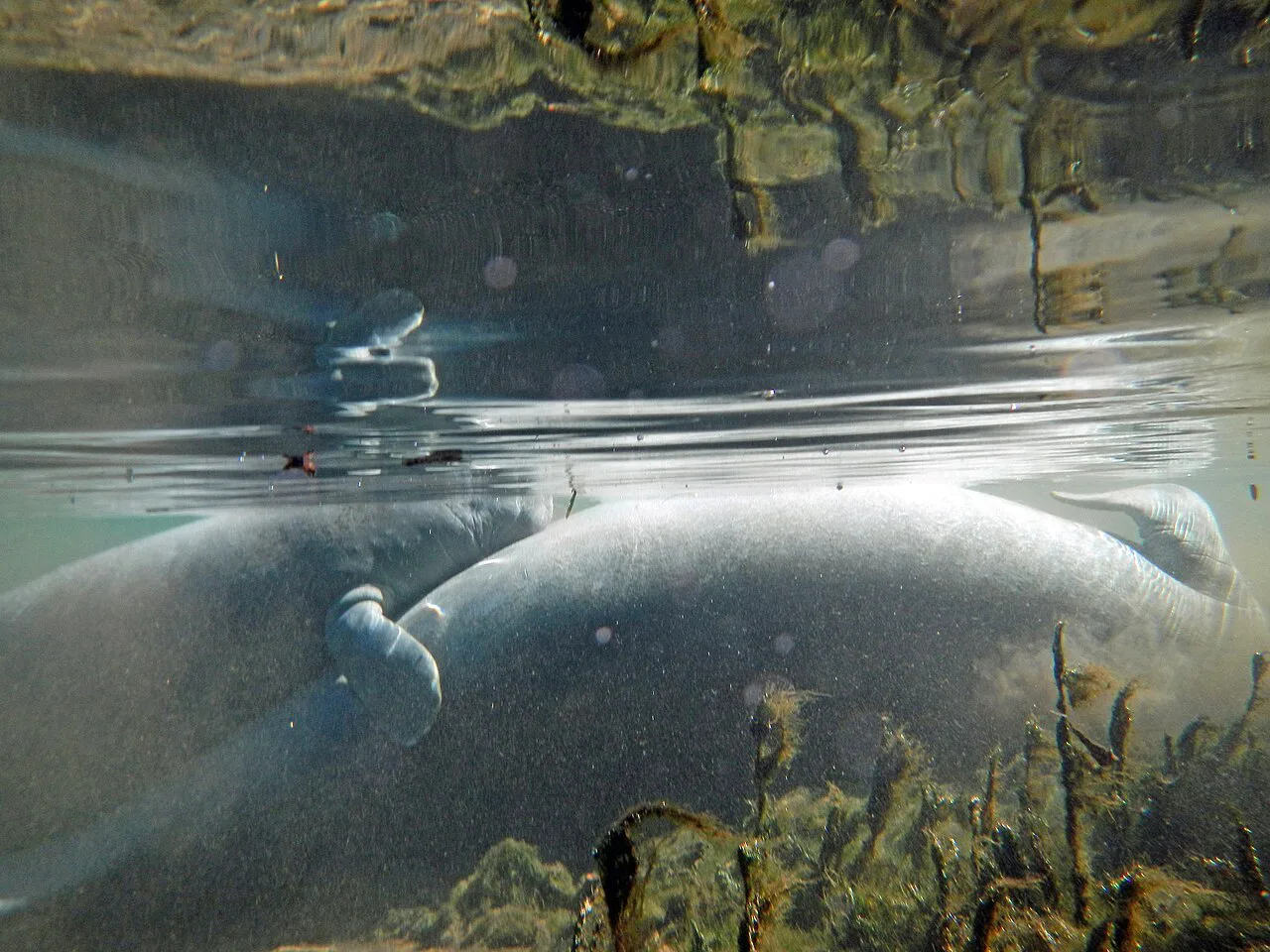
Manatees move upriver into the spring for warmer water in the colder months, with the November-to-March window the seasonal period when that movement happens. Sighting one is never guaranteed, but the winter months are when the odds and the volume of animals in the run are highest.
Manatees are protected under the Marine Mammal Protection Act, so the rules are federal, not local preference. Stay passive, keep your distance, do not block an animal's path to open water or to the surface, and never pursue one for a photo; a manatee that approaches you is different from one you swim toward.
Skill Level and Who It Suits
The downstream float suits beginners precisely because the current does the work; SUP Englewood describes the head spring flow as strong enough that even new paddlers can enjoy the trip without strain. Families with older kids, first-time snorkelers and mixed groups do well on the river, while the Buccaneer Bay swim area handles younger children and weaker swimmers.
The group that struggles here is the one expecting a long, deep snorkel. Strong open-water swimmers will exhaust the river's interesting edges in an hour and may prefer a spring with a larger basin; snorkelers who enjoy birds, turtles and a slow drift will find the two-hour rental window about right. If it is reef structure and depth you are after, compare this drift with snorkeling in Sarasota, where limestone ledges and boat trips offer a saltwater alternative.
Best Time of Day and Season
Arrive at opening. Weeki Wachee fills quickly on weekends and through the summer, and guests are turned away when the park is full, then admitted later as space opens; an early arrival is the difference between a full day and a wait.
Season changes what you get. Winter brings the manatee window and cooler mornings, while summer brings heat, crowds and capacity pressure; spring and summer are the park's busy seasons, so plan the river for the morning and the shows or waterpark for the hotter afternoon.
Hazards
The main hazard is the current at the head spring, which is strong enough to make upstream swimming a chore and to push a distracted snorkeler past a planned exit. On the river, watch for boat and paddler traffic in the channel, and keep to the edge when craft pass so you are visible.
Freshwater has its own considerations: submerged logs and roots near the banks, slick limestone, and cold water that saps energy faster than you expect. Check the day's forecast and any park advisories with Florida State Parks before you commit, and snorkel within sight of your group rather than alone in a quiet stretch.
Parking, Hours and Admission
The park operates roughly 9 a.m. to 5:30 p.m., with summer and winter hours varying, so check the day's schedule before you drive out. Mermaid shows run at set times with first-come seating and theater doors opening ahead of each show, which is worth knowing if you plan to split the day between water and shows.
Admission and activity pricing are set by the park and its concession operators, so check the official park page for the current structure rather than relying on older trip reports. Budget for a full day: parking, entry, any rental, and food, since the park has a restaurant on site.
Rules on the Water
Wildlife rules are the ones to learn before you get in. Manatees fall under the Marine Mammal Protection Act, and the practical version is to keep distance, avoid separating a mother from a calf, and never touch, feed or chase any animal; the same courtesy applies to turtles and nesting birds along the banks.
On the river, follow the marked route and the signs directing you to the pickup point rather than improvising side channels. Use reef-safe or mineral sunscreen, since spring water is drinking water downstream, and pack out everything you bring so the run stays clear for the next group.
Rentals and Operators
Weeki Fresh Water Adventures is the rental facility on the river inside the park, offering kayaks and paddleboards plus a launch area, and you can bring your own craft for the paddle. The concession offers a downstream pickup service for its rentals, which removes the need to fight the current on the return.
Book ahead and expect a time limit. Weeki Wachee Freshwater Adventures, the in-park rental operation, runs a downstream route marked for 2.8 miles, and rentals must come back within two hours, so reserve rather than walk up on a busy weekend and confirm the current rate and launch window when you book.
Nearby Spots to Combine
The Chassahowitzka River makes a natural second day, and its Seven Sisters Springs sit within about a mile of the kayak launch, with clear water, limestone pathways and a campground office that handles rentals and maps. Pairing the two gives you one organized park day and one quieter river day on the same trip.
Snorkelers building a wider spring tour should compare this river run with the state's headline springs, since each offers a different mix of depth, clarity and access. If you want a cavern-style dive instead of a drift, look at Devils Den snorkeling in Williston; for a broader shortlist, see the best springs to snorkel.
Gear for Spring Water
A well-fitted mask and a snorkel are enough for the river's shallow edges; fins help in the current but can be awkward in a kayak, so many paddlers carry a mask only. A rash guard and a wide-brim hat handle sun better than lotion alone, and a dry bag keeps a phone and keys safe on the float.
Because the water is cool and the rental clock is short, skip heavy gear and pack light: mask, snorkel, quick-dry layer, water and a leash for anything you cannot lose. Choose reef-safe sun protection, since the spring feeds a river system and downstream users.
Plan Your Weeki Wachee Day
Build the day around an early arrival, one water session and the shows or swim area afterward. Snorkelers who want a reef should choose a coastal spot instead, but for clear freshwater, turtles, bass and a chance at winter manatees, the river delivers a distinctive Florida day.
Reserve the rental before you go, plan around the two-hour window, and leave slack for park capacity on summer weekends. Confirm the day's hours and any advisories with Florida State Parks before you leave, then pack light and let the current do the work.
Frequently Asked Questions
Can you snorkel at Weeki Wachee without a boat?
Yes. Buccaneer Bay is the in-park swim area and works for a mask-and-snorkel session along the edges, while the river float is normally done with a rental kayak or paddleboard from the concession inside the park. The swim area suits families and weaker swimmers; the river suits groups comfortable on moving water.
What fish are in the Weeki Wachee River?
Expect freshwater species rather than reef fish: largemouth bass and freshwater turtles along the vegetated banks, with herons, egrets, anhinga and osprey working the channel. Snorkel close to overhanging vegetation and fallen timber, where fish hold, instead of the middle of the run.
When can you see manatees at Weeki Wachee?
Manatees move upriver for warmer water during the colder months, and the November-to-March window is the seasonal period when that happens. Sightings are never guaranteed. Keep your distance, never touch, feed or chase an animal, and follow the Marine Mammal Protection Act rules.
How strong is the current at the head spring?
The head spring current runs at roughly 5 mph, which makes paddling upstream hard work and floating downstream easy. That is why the marked 2.8-mile downstream route with a pickup point is the standard plan for mixed-ability groups.
How long does the river float take?
Rentals must be returned within a two-hour window, so the float is best treated as a morning activity with a firm finish time. Reserve ahead and confirm the launch and return windows with the concession when you book.
Is Weeki Wachee worth visiting for snorkeling?
It is worth it if you want clear freshwater, a slow drift past turtles and birds, and a chance at winter manatees. It is not a reef substitute; swimmers wanting depth and coral should pick a coastal spot. Families get the most value by combining the swim area with the mermaid shows and waterpark.
Sources
Snorkeling notes for your next trip
Optional updates to our snorkeling guides.
You might also like
Continue reading
More guides you'll find useful