Snorkel Buoy Guide: Tow Floats, Dive Flags and How to Choose
A snorkel buoy keeps you visible to boats and carries your gear. Learn how tow floats and dive flags differ, how they attach, and what to look for.
On this page
A snorkel buoy is the small towed float you see behind open-water swimmers and, increasingly, behind snorkelers working a reef line away from shore. It earns its place by raising your profile above the chop so paddlers, jet skis and boat drivers have something bright to aim away from, and by giving you a handhold when you want to stop and clear a mask without standing on coral.
The choice comes down to two different objects that are often sold side by side: a tow float worn on a waist belt, and a dive flag that marks a person in the water. They solve different problems, and a snorkeler heading offshore may want one, the other, or both depending on how the boat traffic around the site is managed.
What a Snorkel buoy does on a snorkel day
The primary function is visibility. A brightly colored float rides above the surface behind you, where a boater scanning the water can pick it out far more easily than a dark-clad swimmer with only a mask and snorkel breaking the surface. The New Wave Swim Buoy product listing describes exactly this use, pitching the high-visibility float as something boaters, jet skis, paddlers and surfers can see.
It raises your visibility above the surface so boaters, paddlers and jet ski drivers can spot you, and it gives you a handhold to rest on while you adjust gear or clear a mask.
The second function is a rest point. Because the float has natural buoyancy, you can grab it and float with your face out of the water when you need to adjust gear, catch your breath or regroup with a buddy. Treat that as convenience, not as safety equipment: the manufacturer states plainly that the buoy does not replace a personal flotation device or a swim life vest.
A third, quieter benefit is buddy monitoring. Spectators, officials and lifeguards can track swimmers from shore when each one is towing a colored float, which is why the design migrated from triathlon training into recreational snorkeling.
Tow float vs. dive flag: two different jobs
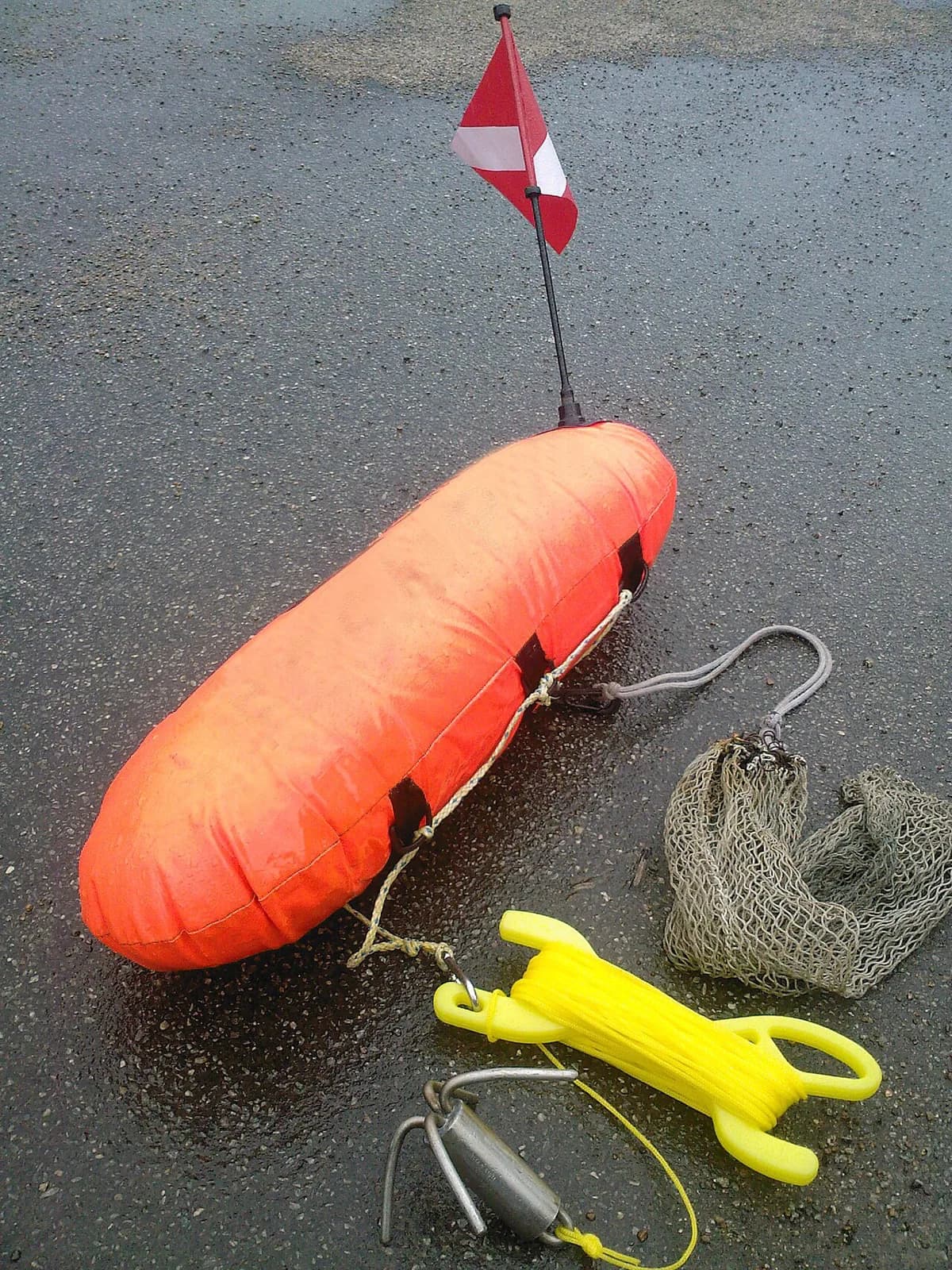
A tow float is a piece of personal gear. You wear it, it carries your things, and its color is chosen to be seen; nothing about it legally marks a dive site. A dive flag, by contrast, is a signal to other vessels that people are in the water below, and it is the item that boating regulations actually address.
That distinction matters when you plan a snorkel from a boat or a kayak rather than from the beach. Retailers group marker buoys, floats and lines together in dive-safety categories precisely because the flag-and-line products serve a signaling role rather than a storage role.
Flag sizes, required distances and whether a snorkeler counts as a diver under the rule vary by state, so the practical move is to read the boating agency rules for the specific water you plan to enter before you decide whether a flag belongs on your setup. Your state boating agency publishes those requirements, and they are worth reading once for the sites you return to.
How a tow float attaches and rides in the water
The common design fastens to a waist belt with a tether line, so the float trails behind you rather than dragging at your hips. That geometry keeps the line clear of your fin kick and lets the float ride the surface while you swim with your head down.
Inside, the better tow floats separate two spaces: an inflatable air chamber and a storage compartment. Keeping them apart means your dry items are not sharing a wall with the air you blow in, and it lets you pack the storage side without changing how the float sits in the water.
One simple upgrade: drop a small blinking bike light inside the float for low-light or dusk sessions. The manufacturer notes that adding a bike blinker inside the float makes your aqua-visibility quadruple or maybe even quintuple.
Sizing and flotation: matching the buoy to the swimmer
Sizing is usually expressed in liters of buoyancy and tied to body weight. The New Wave 15-liter medium (for swimmers under 190 lbs), for example, is specified for swimmers under 190 pounds, and the whole float weighs about 10 ounces, which is light enough to pack for a trip without a second thought.
Match the volume to the job. A snorkeler who mostly wants a visible marker and a light rest float is served by a smaller, easy-to-tow buoy, while someone towing a mask, fins, a rash guard and water for a long swim benefits from the extra volume and storage of a larger model.
If you snorkel in cold water with a thick wetsuit, remember the suit itself adds flotation, so a buoy chosen purely for lift is less useful than one chosen for visibility and storage.
Visibility: high-contrast colors and what boaters actually see
Color choice is not cosmetic. Bright pink, fluorescent green and orange read against grey water, whitecaps and grey-green chop in a way that navy or black never will, and the manufacturer's whole argument rests on the contrast between a bright float and a dark wetsuit.
Take the boater's viewpoint seriously. A small craft driver is scanning a wide arc at speed, often with sun glare on the water, and a low float disappears in swell at distance; a taller, brighter float that sits higher in the water buys you reaction time.
Add a second visual cue when you can. A light in the float, a bright fin color or a light-colored rash guard all reinforce the same signal, and none of them costs you anything in the water.
The dive flag question: when snorkelers need one
Reach for a dive flag when your snorkel plan puts you in a channel, near a launch ramp, or anywhere motor traffic is concentrated and the local rule requires marking. Skip it when you are inside a guarded swim zone or a no-boat area where the flag adds nothing.
Whichever way you go, keep the flag on a line long enough that it rides above you rather than being dragged under by your own motion, and keep the flag upright as you move so other vessels can track your position.
Storage compartments: what fits and what stays ashore
The dry compartment is for small, flat, light things: a spare mask strap, a snack, a waterproof phone pouch, sunscreen, a rash guard, a small camera. The manufacturer lists sunglasses, sunscreen, an extra cap and goggles, a mask and snorkel, water shoes and a camera among the items swimmers put inside.
Leave the car keys, the towel and anything that would ruin your day if it got damp on shore or in a locked box. A buoy's storage compartment is a convenience for the swim, not a dry bag for the trip.
If you want the phone to stay usable, seal it in a pouch first and confirm the seal at home before you swim with it, rather than testing the closure in the surf.
Inflatable PVC vs. foam buoys: trade-offs
Inflatable PVC tow floats pack flat, which makes them easy to carry in a daypack or a suitcase, and you can tune the firmness to the conditions. The trade-off is that they need inflation and deflation around each session and can be punctured.
Foam buoys, including shaped foam floats made for snorkeling gear, need no inflation and cannot deflate mid-swim. The DeeperBlue write-up of a purpose-built foam snorkel buoy describes a red float painted with a white diver-down stripe and a hole for inserting the snorkel, which is a different take on the same visibility idea.
For travel, inflatable wins on pack size; for a regular beach routine with a short walk from the car, foam wins on effort.
Using a buoy as a rest float without treating it as a PFD
A buoy is a handhold and a marker. It is not rated to keep an unresponsive or exhausted swimmer afloat, and the manufacturer's own product copy makes the limit explicit: the buoy does not replace a personal flotation device or a swim life vest.
Plan your rest stops accordingly. Snorkel along a line where you can reach shallow water or a sandy exit, and use the buoy to pause and float rather than as your only means of staying up.
Children and weak swimmers need a properly fitted flotation aid and an adult within arm's reach, with the buoy as an extra marker rather than the plan.
Buoys for boat and kayak snorkeling approaches
When you enter the water from a kayak or a paddleboard, a buoy towed behind you keeps your float visible while your hands are busy with the boat. The manufacturer notes that kayakers and stand-up paddleboarders use the floats for exactly that reason, alongside their light weight for carrying on deck.
On a boat snorkel stop, clip or belt the float on before you step to the transom, and keep the tether short enough that it does not snag on the ladder or the anchor line while you get clear.
If the boat is running a diver-down flag, stay inside the flagged area rather than drifting past it, since the flag is the signal other skippers are watching.
Care, drying and packing for travel
Rinse the float in fresh water after saltwater sessions, drain the air chamber, and dry both the inside of the compartment and the belt before packing. Trapped moisture in a closed storage compartment is what makes gear smell on the second day of a trip.
For air travel, deflate fully and roll the float around its own belt to protect the tether and the valve, then pack it against flat items rather than against anything sharp.
Before each trip, check the tether stitching and the belt buckle, since those are the parts that fail under load.
What to bring alongside your buoy
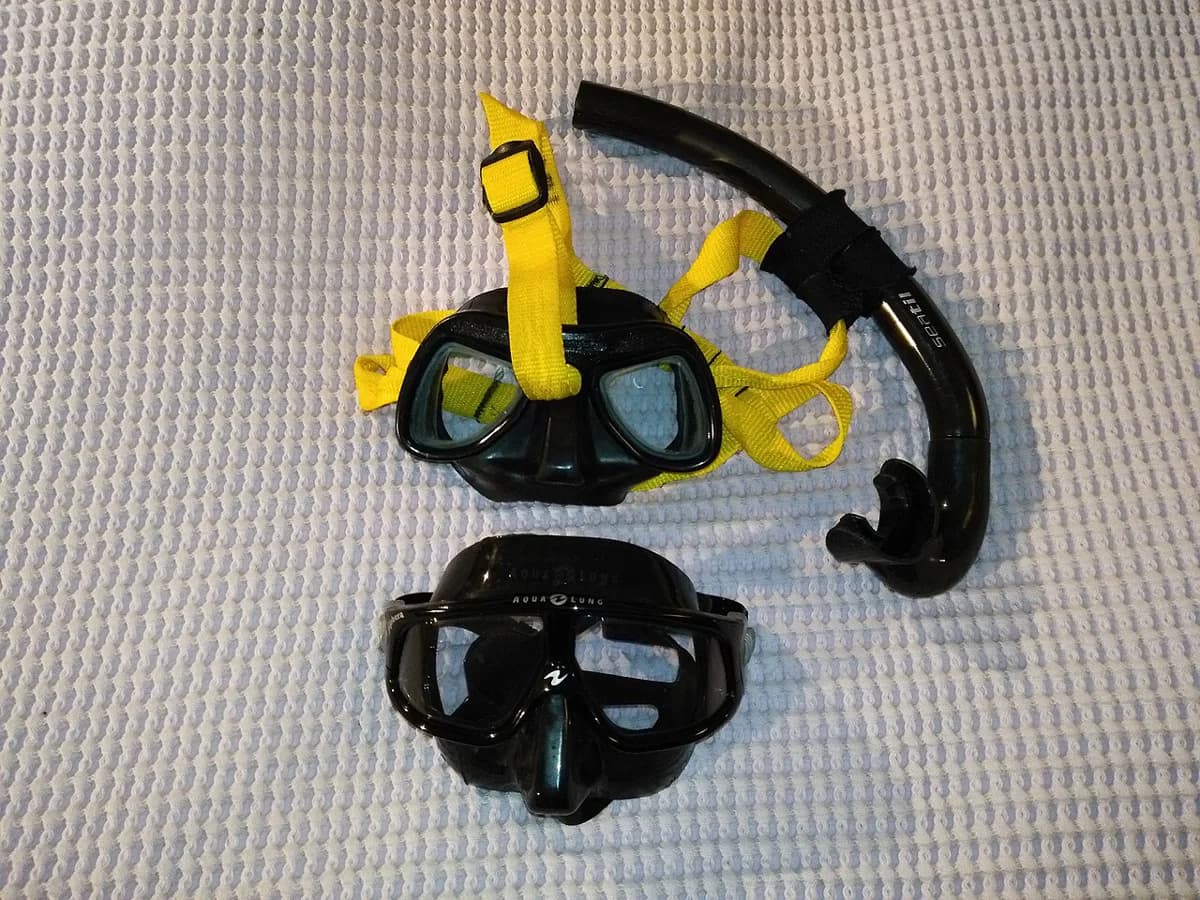
The buoy carries a few essentials, but the rest of your kit does more for the day. A properly fitted mask and a snorkel you can clear without thinking are the two items worth the most attention, and the snorkel gear guide lays out how to match them to your face and your breathing style.
If your mask leaks or fogs no matter what you do, the fix is usually fit rather than technique, and a guide to how to choose a snorkel mask walks through the mask skirt and seal questions that decide it.
Sunscreen belongs in the dry compartment for the walk back, and a mineral formula with non-nano zinc oxide or non-nano titanium dioxide is the choice that respects reef rules at many snorkel sites.
Plan Your Snorkel Day
Start with the water you plan to snorkel and what it asks of you. A calm, guarded beach cove calls for a bright, light tow float and nothing more; a boat channel or a kayak launch calls for a flag as well, checked against the state boating rules for that water. Shore versus boat access changes the gear list everywhere, as this guide to snorkeling in Florida shows.
Pack the float with small, flat essentials, keep the rest on shore, and confirm before every session that the tether and belt are sound. The buoy's job is to make you easier to see and to give you a place to pause, and it does that best when you treat it as one part of a complete kit rather than the whole plan.
Frequently Asked Questions
What is a snorkel buoy used for?
It raises your visibility above the surface so boaters, paddlers and jet ski drivers can spot you, and it gives you a handhold to rest on while you adjust gear or clear a mask. Many models also include a small storage compartment for items you want with you in the water.
Is a snorkel buoy the same as a dive flag?
No. A tow float is personal gear worn on a waist belt; a dive flag is a signal that marks people in the water for other vessels, and it is the item boating regulations address. Flag size, distance and whether a snorkeler counts as a diver are set by state boating agencies, so read the rules for your specific water.
Can you use a swim buoy as a flotation device?
Use it as a rest float, not as your safety flotation. The manufacturer states that the buoy does not replace a personal flotation device or a swim life vest, so weak swimmers and children need a properly fitted flotation aid and close adult supervision.
How does a tow float attach to a snorkeler?
It fastens to a waist belt with a tether line, so the float trails behind you at the surface while your arms and fins stay clear. Better designs keep the inflatable air chamber separate from the storage compartment so packing does not change how the float rides.
What size swim buoy do I need?
Sizing is given in liters of buoyancy and tied to body weight; the New Wave 15-liter medium, for example, is specified for swimmers under 190 pounds. Choose more volume if you plan to tow gear and water on long swims, and less if you mainly want a bright marker.
What can you store inside a snorkel buoy?
Small, flat, light items: a spare mask strap, sunscreen, a snack, a waterproof phone pouch, a rash guard or a small camera. Leave keys, towels and anything that matters on shore, since the compartment is a convenience rather than a dry bag.
Sources
Snorkeling notes for your next trip
Optional updates to our snorkeling guides.
You might also like
Continue reading
More guides you'll find useful