Best Underwater Camera for Snorkeling: How to Choose One
Pick a snorkeling camera by depth rating, color at 10-20 feet, and whether you want stills or video. Compare action cams, tough compacts, and phone housings.
On this page
Most snorkeling happens between the surface and about 20 feet, in bright natural light, over reef that is closer than a diver ever gets. That shallow working depth is why a waterproof compact or an action camera can outperform an expensive rig you never take below the surface. Match the camera to whether you mainly want video clips or still photos, and the shortlist gets simple fast.
Why Snorkeling Changes the Camera Math
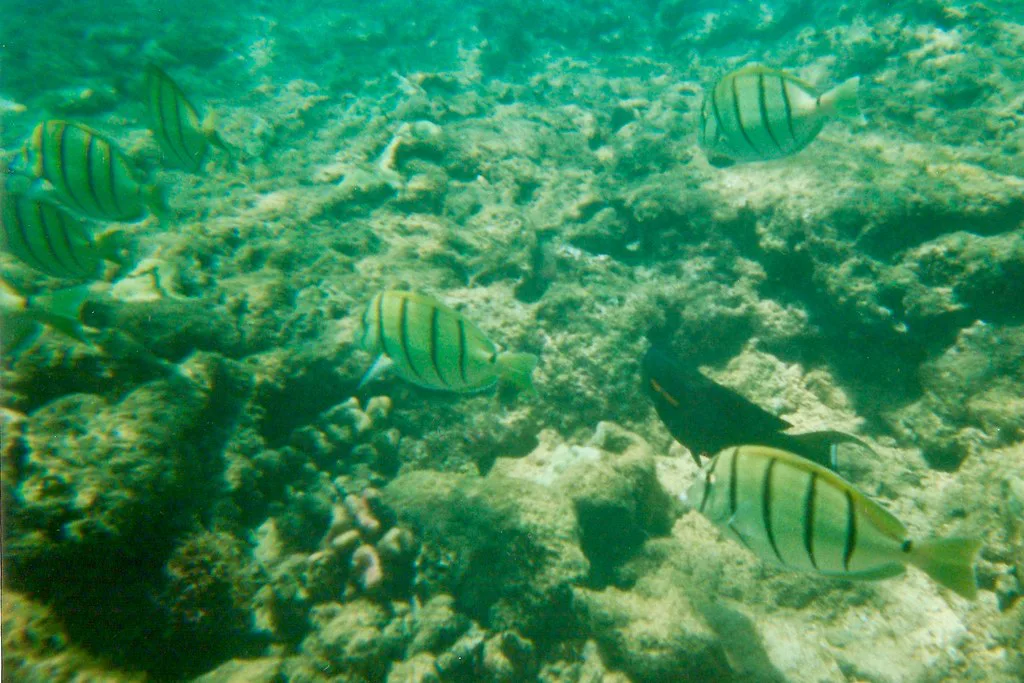
Water strips color as you descend. Beyond roughly 5 meters, red wavelengths fade first, then orange, yellow and green, and the image flattens toward blue-green. A snorkeler hovering at 10 to 15 feet keeps a lot of that color, which is why modest cameras do well here and why a filter or fill light still helps on the brightest reef.
In that bracket you are generally looking at a basic waterproof action camera or a disposable-style option with limited manual control.
Depth rating matters less than you think for snorkeling, but you should still buy headroom. A camera rated to 15 meters handles surface dives and accidental dunking without drama, while a housing-rated system covers deeper use if you also dive. The published rating is the limit to respect, not a target to reach.
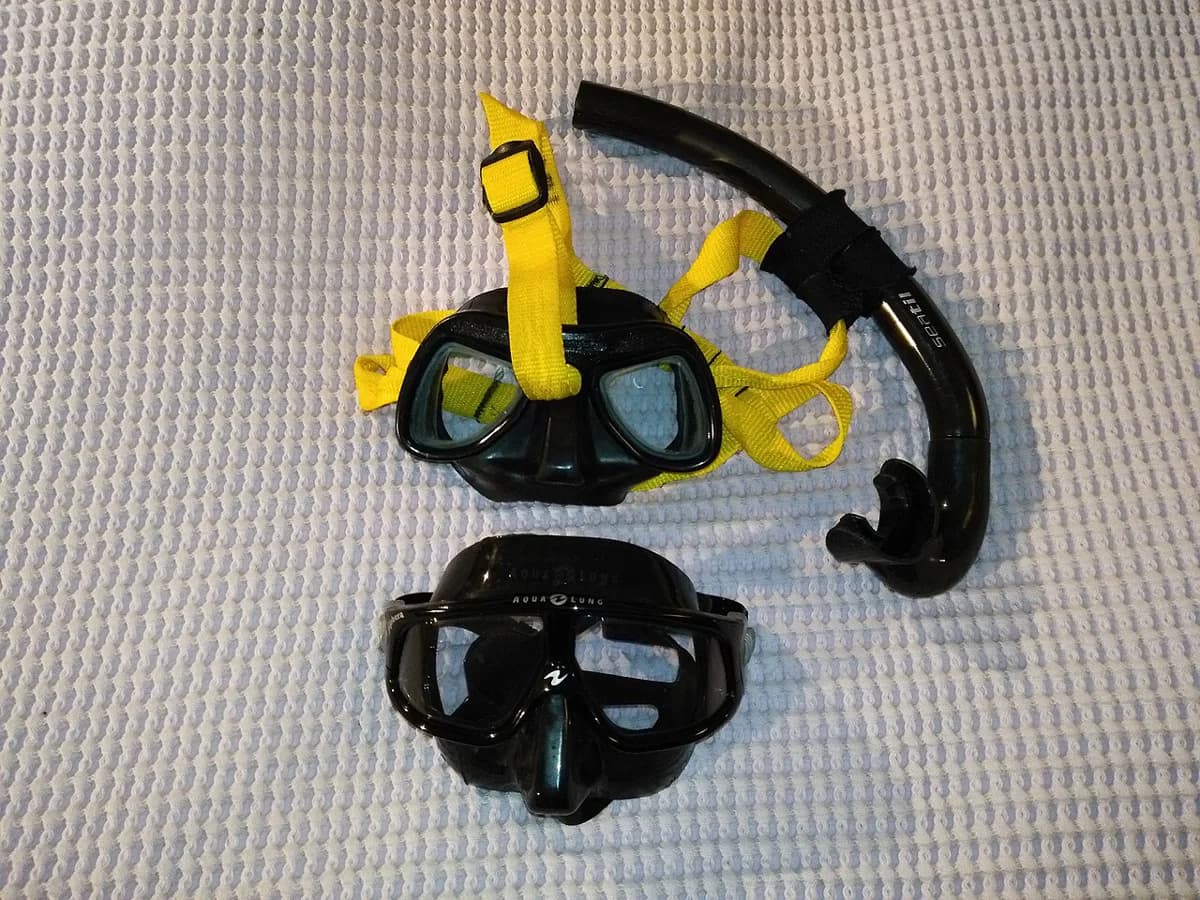
Natural light does most of the work in the top 20 feet, so save the strobe budget for a good filter, a video light, or a better mask fit. The one piece of snorkel gear that affects your footage as much as the camera is a mask that does not leak or fog, because a flooded mask ends the shot.
Action Cameras: Small, Video-Forward, Filter-Dependent
Action cameras are the smallest and most travel-friendly option, and the GoPro HERO13 Black leads the video-first category with 4K 120p and 5.3K 60p recording plus strong stabilization. The trade-off is that GoPros cannot perform a custom white balance and cannot trigger a strobe, so they are weak for still photography and need color filters to look right at depth.
Filters are the core accessory, not an afterthought. A dive filter tuned for roughly 20 to 45 feet and a deeper filter for 45 to 80 feet restore reds that the sensor loses, and a wide-angle lens attachment widens the field of view and shortens close-focus distance so you can fill the frame with a turtle or a coral head.
If you already own an older GoPro, check housing compatibility before buying new glass. The HERO13 shares its body and housing with the HERO9 through HERO12, so existing housings and lens accessories carry over. Compare that against the Insta360 GO Ultra in a housing, which reaches 40 meters and takes a cold-shoe light, if you want a tiny clip camera rather than a full action rig.
Tough Compacts Like the OM System TG-7
The OM System TG-7 is the strongest all-around pick for a snorkeler who wants both stills and video without buying a housing. It is waterproof to 15 meters on its own, which covers snorkeling, pool use and shallow free dives, and its macro capability is a real advantage over action cameras for small reef subjects.
Add the PT-059 housing and the TG-7 becomes a dive camera rated to 40 meters, with the same body you already know. The camera-and-housing combination comes in under $1,000, which makes it one of the better values if you want a single system that grows from snorkeling into diving.
Step up to a larger-sensor compact such as the Canon G7 X Mark III in a Fantasea FG7X III S housing and you get better image quality and a faster lens, at a higher cost and with more bulk. That is the right trade if stills matter more than pocketability; it is the wrong one if the camera will mostly live in a day bag.
Phone Housings: Reuse the Camera You Own
A phone housing lets you shoot with the camera already in your pocket and upgrade it every time you change phones. The SeaLife SportDiver Ultra pairs with an app that controls zoom, exposure, focus, white balance, RAW capture and frame rate, and it includes dual leak alarms for moisture and vacuum pressure. Housings for the iPhone start at $349.
The catch is that phone cameras still trail dedicated underwater cameras, and you are relying on an app and a sealed case rather than a purpose-built body. For a casual snorkeler who wants clips and the occasional still, the flexibility is worth it; for someone chasing macro detail, a tough compact is the better tool.
Dedicated Underwater Cameras: SeaLife Micro 3.0
The SeaLife Micro 3.0 Pro 3000 Color Boost set is built only for underwater use and needs no housing at all, rated to 60 meters out of the box. The bundled color-boost light counters the blue-green shift you get at depth, and the whole set lands around $1,000, which is a sensible value for a snorkeler who wants simple operation and good color.
The trade-off is versatility. This camera will not come out for a hike or a dinner, so it is a second camera rather than a replacement for your everyday one. If you already carry a phone housing or a tough compact, a dedicated underwater camera is a luxury; if you want one sealed unit that just works in the water, it is the simplest option.
What Color Filters and Lights Actually Do
Filters work by blocking the blue-green that dominates underwater light so the sensor records more balanced color, and they are most effective in the top 20 to 45 feet where snorkelers spend their time. They cost little, clip onto the housing or lens, and make the difference between footage that looks like a reef and footage that looks like a blue wash.
Lights do something filters cannot: they restore color on close subjects and bring out detail in shadowed coral. The limitation is reach, because light falls off quickly in water and only helps within a few feet of the lens. For snorkeling, a modest video light paired with a filter covers more situations than either alone.
Stills Versus Video: Which Spec Matters
If you want video, prioritize resolution, frame rate, stabilization and an easy custom white balance. The GoPro HERO13 Black leads here with 4K 120p and 5.3K 60p plus Hypersmooth stabilization, and its improved battery and heat management make longer sessions practical.
If you want stills, strobe sync is the spec that decides it. A camera that cannot trigger a flash limits you to video lights, which lack the punch and short duration of a strobe for freezing a fish mid-turn. That single limitation rules action cameras out for serious still photography, no matter how good the video looks.
A three-way split helps: video-first buyers should look at action cameras, photo-first buyers at tough compacts or housed compacts, and travelers who want one device for everything at a phone housing. It is not the best at any single job, but it is the one you will actually carry. The same gear logic carries over to where you dive, so pair your pick with a look at the Belize snorkeling guide before you book a reef trip.
Macro and Close-Focus Options for Small Reef Subjects
Small subjects are where snorkeling cameras separate. The TG-7's macro modes are a genuine strength for nudibranchs, blennies and coral polyps, and a housed compact with a wet macro lens gets you closer still. Action cameras need help here, because a fixed focus distance of about 12 inches leaves small subjects soft.
The fix for action cameras is a close-up lens, such as the MACROMATE MINI, which brings the focus point down to roughly four inches and lets you fill the frame with a golf-ball-sized subject. Pair it with a video light and a steady hand, and small reef life becomes shootable without changing cameras.
Budget Tiers and What Each One Realistically Buys
At the entry level, an action camera gives you waterproof video for a few hundred dollars, and the iPhone 16 housing starting at $349 is the cheapest route to good stills and clips if you already own the phone. Expect to add a filter, and budget for a light only if you shoot close subjects.
The sweet spot sits near $1,000, where a TG-7 with its housing or a SeaLife Micro 3.0 Pro 3000 set buys real capability without a dive-shop budget. Above that, a large-sensor compact in a quality housing improves image quality but costs meaningfully more, and full-frame systems with pro housings run past $10,000 with lights and ports.
Prices move, so treat every figure here as a starting point for the cited configuration and verify the current bundle from the manufacturer or dealer before you commit. The tier you choose should follow how often you snorkel, not how much you can spend.
Handling and Care: Rinsing, O-Rings, and Leak Alarms
Freshwater rinse after every saltwater session is the habit that protects seals, buttons and lens ports, and it takes two minutes at the tap. For any housed camera, inspect the o-ring for grit and hair before closing it, and keep a spare o-ring in your bag.
Leak alarms are worth having on a phone housing, where the SeaLife SportDiver Ultra includes both a moisture alarm and a vacuum pressure alarm. They warn you before water reaches the electronics, which turns a potential loss into a quick exit from the water.
What to Bring on a Snorkel Day
Beyond the camera, pack a mask that seals, a dry-top snorkel that keeps splashes out, and reef-safe sunscreen with non-nano zinc oxide or non-nano titanium dioxide so the ingredients you rinse off do not harm the reef you came to film. A small microfiber cloth for the lens port and a dry bag for the phone round out the kit.
Bring a float or wrist strap for the camera so a dropped rig does not sink out of reach, and carry the camera in a rinse bucket or padded pouch between entries. Spare batteries matter more than spare cards, because cold water and long sessions drain them faster than you expect.
Common Buying Mistakes
The most common mistake is buying a camera for depth you will never reach. A 60-meter rating is irrelevant to a snorkeler who stays in the top 20 feet, and the money is better spent on a filter, a light, or a better mask.
The second is skipping the accessories budget. A bare action camera produces flat, blue footage; add a filter and a wide-angle lens and the same camera looks transformed. Plan the full kit from the start rather than buying the camera and discovering the gap in the water.
Third, do not assume a housing makes a camera safe. Ratings are published limits, not guarantees, and seals fail when sand gets in. Follow the manufacturer's care instructions and rinse after every use.
Choosing Your Snorkeling Camera
Pick video-first and the action camera wins on size, stabilization and frame rates, provided you add filters. Pick stills and a tough compact like the TG-7 wins on waterproof simplicity and macro. Pick flexibility and a phone housing lets you keep upgrading the camera in your pocket.
Whatever you choose, spend the leftover budget on a filter, a light and a mask that fits, and rinse the whole kit in fresh water after each swim. Those habits matter more to your footage than the next tier of camera.
Frequently Asked Questions
What is the best underwater camera for snorkeling under $100?
In that bracket you are generally looking at a basic waterproof action camera or a disposable-style option with limited manual control. Expect to add a filter separately to get usable color, and read the published depth rating before you take it below the surface. For current figures, compare the manufacturer's own product page rather than a reseller's summary.
Is GoPro or DJI better for underwater?
Both brands make capable action cameras, but the decision should hinge on published specs: frame rate at 4K, stabilization, battery life in cold water and available filter and lens accessories. Look at whether the housing accepts the filters and wide lenses you want, since accessories often decide the result more than the camera body.
Can I rent an underwater camera?
Rental availability varies by destination and dive shop. Renting makes sense for a one-off trip where you would rather not buy a full kit, but check whether a filter, light and housing are included.
Do I need a housing to snorkel with a camera?
Not if the camera is already waterproof. Tough compacts such as the TG-7 are rated to 15 meters without a housing, which covers snorkeling. A housing adds depth capability and protection but also cost and another seal to maintain.
Do underwater cameras need a red filter for snorkeling?
A red or dive filter helps noticeably in the top 20 to 45 feet, where snorkelers spend most of their time. Filters restore color the sensor loses to water, and they are far cheaper than a strobe. Pair one with a light for close subjects.
Sources
Snorkeling notes for your next trip
Optional updates to our snorkeling guides.
You might also like
Continue reading
More guides you'll find useful