Snorkel Vest Guide: How to Choose Flotation for Snorkeling
A snorkel vest adds buoyancy and confidence for beginners and kids. Compare vests, belts and life jackets, plus fit, materials and care for saltwater use.
On this page
A snorkel vest does one job well: it puts extra buoyancy at your chest so you can rest on the surface between looks at the reef without treading water. That makes it most useful for beginners, kids and adults who are strong enough to swim but not yet relaxed floating face down for an hour. It is not a life jacket and should never be treated as one.
The choice is less about brand than about matching the float to the swimmer. A thin flotation belt, a chest vest and a Coast Guard style life jacket each change how you float and how hard you kick, so pick by ability and by what you plan to do at the surface. The sections below explain the mechanics, the fit and the trade-offs.
What a snorkel vest does and who benefits from wearing one
A vest adds buoyancy across the chest, which keeps your face near the surface with less effort and lets you pause to clear a mask or catch your breath. Snorkeling vests offer a middle ground for children or beginners who want more support than a belt can give, as Boss Frog describes in its overview of flotation options.
A properly inflated snorkel vest adds buoyancy at the chest and helps you rest on the surface with less effort.
Strong swimmers who fin efficiently in a wetsuit usually skip the extra float, because a big chest bubble adds drag and can tilt you feet-down. Beginners, kids, nervous first-timers and anyone snorkeling far from shore in choppy water get the most from a vest. A reasonable rule is to wear one until floating face down feels effortless, then decide whether you still want it.
How snorkel vests are built: oral inflator, deflation, and crotch strap
Most recreational snorkel vests inflate by mouth through a small oral inflator and deflate through the same valve or a separate dump. That means you control buoyancy in steps: a few breaths for a comfortable float, a little deflation when you want to dive under for a closer look. Check where the valve sits on your chest so you can reach it with one hand while wearing the vest.
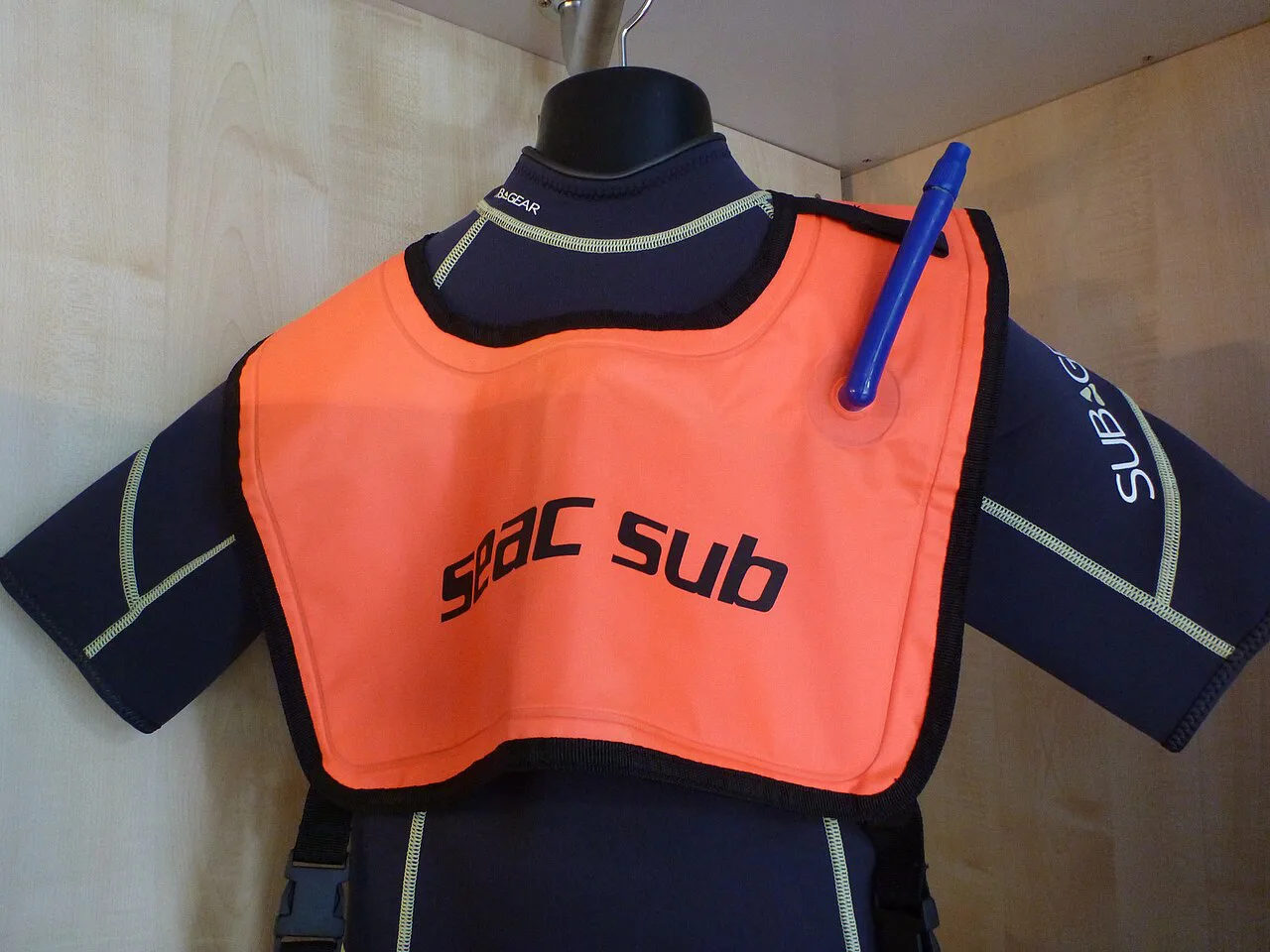
The crotch strap is the feature that keeps a vest from riding up around your ears when it is inflated. On the Promate vest the strap is adjustable and can be removed, which suits snorkelers who find it restrictive but leaves the vest more prone to shifting. If you plan to inflate fully, keep the strap on and snug it so the vest stays low on your torso.
Vest vs. flotation belt vs. life jacket: matching the float to the swimmer
A flotation belt sits at the waist and provides modest support while leaving your chest and arms free to move, which most experienced snorkelers prefer. A vest puts more volume around the chest and keeps the head higher, at the cost of some drag and a bulkier feel underwater. A life jacket, by contrast, is built to turn an unconscious wearer face up and is far too bulky for comfortable surface snorkeling.
Match the float to the swimmer rather than the itinerary. Kids and weak swimmers get the most from a vest; confident adults in calm bays often do fine with a belt or nothing at all beyond a wetsuit. The same logic applies when you plan snorkeling in Key Largo, where calm reef and shore entries suit a different level of float than rough open water. If a boat operator or park requires flotation, follow the requirement they publish rather than substituting a belt for a vest or the reverse.
Sizing and fit: weight ranges, adjustability, and what one-size garments assume
Recreational vests are often sold as one size with adjustable waist and crotch straps. The Promate vest is listed as fitting snorkelers over 100 pounds, so a light teenager or a small adult near that mark should check the strap range before relying on it. A vest that is too loose slides up when inflated; one that is too tight restricts breathing and is hard to pull on over a rash guard.
Try the vest on over the layer you will actually wear, whether that is a rash guard, a swimsuit or a shorty wetsuit. Inflate it slightly, tighten the waist strap, then pull the crotch strap snug and see whether the vest stays put when you raise your arms. Fit matters more than the number on the label, and a well-adjusted mid-size vest beats a loose larger one.
Materials and durability: what denier nylon and PU construction mean for saltwater use
Denier measures the thickness of the nylon fabric, and higher numbers generally mean a tougher shell that resists abrasion against rock and boat decks. The Promate vest uses 420 denier nylon with a PU coating, a combination built for repeated use rather than a single vacation. The PU layer is what holds air, so seams and valve seats are the places that fail first, not the fabric itself.
TUSA positions its SV-4500 and SV-2500 vests around providing enough buoyancy and comfort for a long day of snorkeling without fatigue, which tells you the intended use is surface support rather than rescue. Read the manufacturer's own description of buoyancy and bladder construction before you buy, because a thinly built bladder will not hold inflation through a full afternoon.
Bright colors like the neon orange on the Promate vest are easier for a boat driver or a partner on shore to spot in chop, which is a practical reason to choose high-visibility fabric over a dark one. Consider how the vest looks from above the water and from a distance, not just how it looks on the rack.
Care and storage after saltwater and sun exposure
Rinse the vest in fresh water after every saltwater session, inside and out, and work the oral inflator a few times so salt does not crystallize in the valve. Inflate it partly and let it dry in the shade rather than in direct sun, because UV degrades nylon and the PU coating over time. Store it deflated and loosely folded so the bladder is not creased along the same line for months.
Before each trip, inflate the vest fully and leave it for an hour to see whether it holds air. A slow leak at a seam or valve is far easier to find on land than a hundred yards from the beach. If the vest will not hold inflation, it stops providing the buoyancy you are counting on and needs repair or replacement.
Choosing flotation for kids and weak swimmers
Children and weak swimmers benefit most from a vest that stays put, so the crotch strap matters more than any other feature. A snug fit, a properly threaded strap and an adult within arm's reach do more for a child's confidence than extra volume. Pair the vest with a properly fitted snorkel mask, since a leaking mask causes more panic than floating ever does.
For weak adult swimmers, a vest lets you rest on the surface between short swims, which is how skill builds. Use the vest to shorten the distance you swim without fins, not to replace learning to fin. A partner within reach and a plan for exiting the water still matter regardless of what you wear.
How flotation affects surface snorkeling technique as you build skill
Extra buoyancy changes your body position: with a fully inflated vest your chest rides high and your legs hang lower, so you kick less efficiently. Deflate slightly once you are comfortable and you will lie flatter, breathe easier through a dry snorkel and cover more ground with the same effort. Practice in calm, shallow water until inflation and deflation feel automatic.
The honest trade-off is that a vest can mask poor finning. If you always snorkel fully inflated, you may never learn to control your depth or trim. Spend part of each session with less air, in conditions you can handle, and keep the vest as a rest tool rather than permanent scaffolding.
What the standards tell you: PFD labels, warnings, and Prop 65 notices
A snorkel vest is not the same thing as a Coast Guard approved personal flotation device, and recreational inflatable vests are generally not labeled that way. Read the product label to see what the maker claims and do not assume a vest will keep an unconscious swimmer face up. Where a boat or park requires an approved PFD, use one that carries the approval rather than a snorkel vest.
The House of Scuba listing for the Promate vest includes a California Prop 65 warning about chemicals including chloroprene, linked to cancer and birth defects or other reproductive harm. That is a disclosure required for certain products sold in California, not a performance rating. Read the warning text on the listing and follow any care guidance the manufacturer prints.
Common mistakes when buying snorkel vests
The most common error is treating a one-size vest as universal: a light adult or teenager needs to check the stated weight range and strap length before buying. The second is skipping the crotch strap, which lets the vest slide up the moment it is inflated. The third is assuming a vest replaces swimming ability or supervision.
Other frequent missteps include buying a dark-colored vest that is hard to spot from a boat, storing it inflated in the sun, and never testing the valve before a trip. Pair the vest with reef safe sunscreen so your day does not hinge on one piece of gear, and read the formula for non-nano zinc oxide or non-nano titanium dioxide if coral safety matters to you.
Finally, decide before you shop whether you want a vest, a belt or nothing at all. Renting or borrowing a vest for a first trip is a sensible way to learn what buoyancy level you actually like, and dive shops that rent snorkel gear can usually advise on sizing.
Buying a Snorkel Vest That Fits Your Swim
Choose a vest by matching its buoyancy and fit to the swimmer, not by chasing the brightest listing. Beginners, kids and weak swimmers gain the most; strong swimmers in calm water usually prefer a belt or none. Check the stated weight range, insist on an adjustable crotch strap and confirm the vest is not being sold as a life jacket substitute.
Once you own one, rinse it after every saltwater session, dry it in the shade and test inflation before each trip. That routine keeps the valve working and the bladder intact. If you want to build a full kit around it, start with the snorkel gear guide and add a mask and snorkel that fit before you worry about the rest.
Frequently Asked Questions
Does a snorkel vest keep you afloat?
A properly inflated snorkel vest adds buoyancy at the chest and helps you rest on the surface with less effort. It is not a life jacket and should not be relied on to turn an unconscious swimmer face up. Check the manufacturer's stated buoyancy and test inflation before each trip.
Is a snorkel vest better than a flotation belt for beginners?
For most beginners and children, a vest provides more support than a belt because the volume sits at the chest rather than the waist. A belt leaves the arms freer and adds less drag, which suits confident adults. Choose by how much float you actually need at the surface.
What is the difference between a snorkel vest and a life jacket?
A life jacket is designed to keep an unconscious wearer face up and is bulky for surface snorkeling. A snorkel vest is a recreational inflatable that adds chest buoyancy for comfort and confidence. Unless a label states otherwise, a snorkel vest is not a substitute for an approved life jacket.
Should kids wear a snorkel vest?
A vest suits children who can swim but tire quickly or feel nervous floating face down. Fit matters most: snug waist and crotch straps keep it from riding up when inflated, and an adult should stay within arm's reach. Check the manufacturer's weight range before buying.
How do you fit and inflate a snorkel vest?
Put the vest on over the layer you will wear in the water, tighten the waist strap and snug the crotch strap. Inflate by mouth through the oral inflator in small steps until you float comfortably, and deflate a little when you want to lie flatter or dive under. Test full inflation on land before a trip.
How do you rinse and store a snorkel vest after saltwater use?
Rinse the vest inside and out in fresh water, work the inflator valve a few times, then partly inflate it and dry it in the shade. Store it deflated and loosely folded to avoid creasing the bladder. Check for slow leaks before your next trip.
Sources
Snorkeling notes for your next trip
Optional updates to our snorkeling guides.
You might also like
Continue reading
More guides you'll find useful