Snorkel Mouthpiece Guide: Fit, Materials and Replacement
A snorkel mouthpiece shapes how a long surface swim feels. Learn silicone types, fit checks, cleaning habits, and when to replace a worn bite piece.
On this page
The humble mouthpiece is what decides whether a two-hour surface swim ends with a relaxed jaw or a sore one. Swapping it is the cheapest way to rescue a snorkel that still works but has become uncomfortable or chewed-up, and it suits anyone who snorkels often enough to notice the difference. This guide covers material, fit, attachment style, cleaning and when a replacement is genuinely worth the money.
What a Snorkel Mouthpiece Does
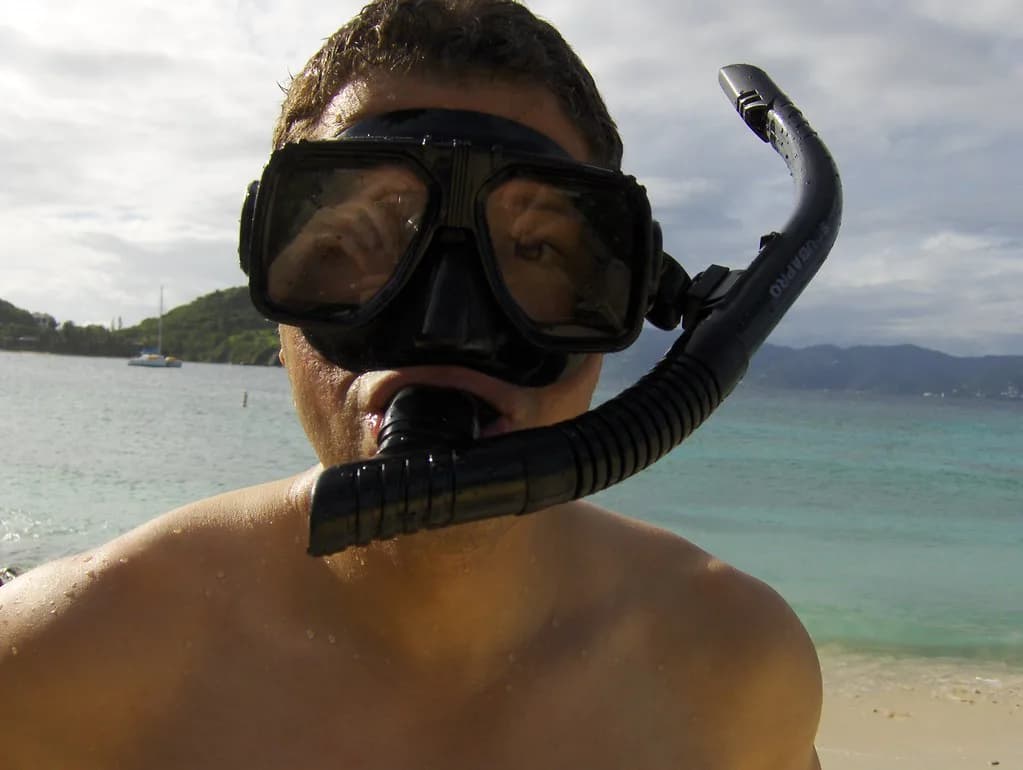
The mouthpiece sits between your teeth and lips, sealing the snorkel tube so air moves through it rather than around it. Bite tabs, the small projections on either side, are what you clamp down on; the flanged shape behind them seats against your lips to limit water entry. A piece that pinches or sits crooked will pull at your jaw over a long swim, so comfort here matters more than almost any other part of your snorkel gear.
There is no fixed interval that fits every snorkeler.
Silicone and Other Mouthpiece Materials
Soft silicone is the material most replacement mouthpieces are made from, and dive retailers describe silicone options as the comfortable choice, with some designs adding a purge valve for easier clearing. Silicone stays flexible in cool water and tolerates repeated cleaning, which is why it dominates the category. Firmer compounds can feel more secure if you tend to bite down hard, but they are less forgiving on a long swim, so match the material to how you actually use the snorkel.
Bite Tabs, Palate Shape and Sizing
Mouthpieces vary in the height of the bite tabs, the width of the bite platform and the angle of the flange that meets your lips. Someone with a small jaw often prefers a shorter bite platform, while a wider mouth can feel crowded by tabs that sit too close together. Because adult sizing is not standardized across brands, treat any replacement as a fit decision first and read the listed dimensions or shape description before ordering.
A quick fit test at home tells you more than any size label. Seat the mouthpiece without the snorkel attached, close your lips around the flange and bite lightly; a good piece lets your back teeth meet without force and does not push your jaw forward. If you have to clench to hold it, the bite tabs are too tall for you, and no amount of adjusting the strap will fix that.
Purge-Valve and Standard Designs
A standard mouthpiece is a plain silicone piece with no moving parts, and clearing it means exhaling sharply to push water out the top of the tube. A purge-valve mouthpiece places a one-way valve at the low point so water drains there instead, which reduces the effort needed to clear. Purge valves add a component that can trap grit or sand, so they suit snorkelers who value easy clearing and are willing to rinse the valve carefully after each use. Dive retailers list both soft silicone mouthpieces and purge-valve designs as separate options, so compare them side by side.

How Replacement Mouthpieces Attach
Attachment styles differ by brand, and most replacements are sold as model-specific parts rather than universal fittings. Atomic Aquatics lists its replacement snorkel mouthpieces as a dedicated accessory with multiple color options, and A3 Performance sells a mouthpiece built specifically as a replacement for its training snorkel, so you can renew the part without buying a whole new tube.
Before you buy, look at how the old piece joins the tube. Many push onto a curved elbow or a short nipple on the tube, while others slide over the tube end or clamp with a small retainer. Note the internal diameter of the old mouthpiece and the shape of the joint, then compare it with the replacement listing; if the listing does not state compatibility, ask the retailer or the manufacturer directly rather than assuming a fit.
When to Replace a Worn Mouthpiece
Inspect the bite tabs and the thin silicone where the mouthpiece meets the tube. Tears at the corners, tabs that have been chewed thin, a stretched opening that slips off the tube, or a hard, chalky surface all point to replacement, and any of these will affect the seal. Rinse and dry the piece after every trip and store it out of direct sun, since prolonged UV exposure and heat are what age silicone fastest.
Matching a Mouthpiece to Your Kit
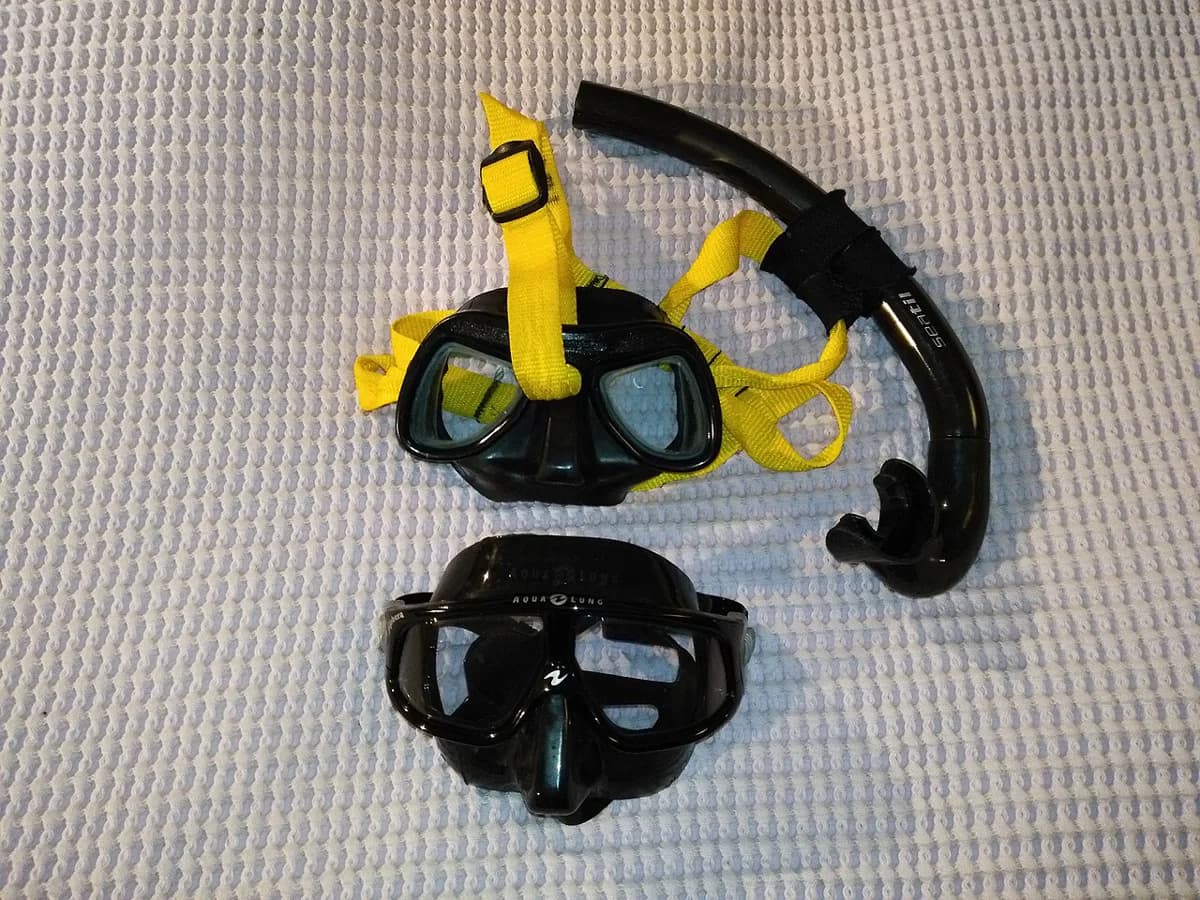
Mouthpiece shape interacts with the rest of your setup, so consider it alongside your mask and snorkel choices. A low-volume snorkel mask sits closer to the face and pairs well with a compact mouthpiece, while a dry-top snorkel with a larger bore often uses a wider bite platform. If you are still assembling a kit, the guide to how to choose a snorkel mask covers lens volume, skirt fit and field of view, all of which change what feels comfortable at the mouth. If you are planning your first warm-water trips with the kit, snorkeling in Puerto Rico covers where to take it.
Full-face designs use a completely different sealing approach, with an oronasal pocket instead of a bite mouthpiece, which is why they are judged separately. If you are weighing one against a traditional mask and snorkel, read the full face snorkel mask safety overview before deciding, and keep a spare standard mouthpiece in your travel bag either way.
Mouthpiece or Full Snorkel: What to Spend On
A replacement mouthpiece is the lower-cost route when the tube, valve and clip are all sound and only the bite piece has worn. A new snorkel makes more sense when the top valve no longer seals, the tube is cracked, or the clip has failed, because a fresh mouthpiece will not fix those faults. Compare the current figures on the retailer's listing at the time you order, since replacement parts and full snorkels are priced separately and change over time.
Cleaning and Storage That Keep Silicone Soft
Rinse the mouthpiece in fresh water after every saltwater session, flex the bite tabs gently to flush out sand, and let it air dry fully before it goes back in the bag. Avoid leaving silicone pressed against other gear in a hot car, and skip harsh solvents, which degrade the surface. A small mesh bag keeps the mouthpiece from being crushed and lets air circulate between trips.
Sun Protection Without the Residue
Sunscreen and silicone are not always good companions: some formulas leave a film that makes the mouthpiece and mask skirt slippery. Mineral filters such as non-nano zinc oxide and non-nano titanium dioxide are the ones most often recommended for reef areas, and applying them well before you handle your gear helps them settle. See the reef safe sunscreen guide for how those filters work and which ingredients to avoid.
Plan Your Snorkel Gear
Start with the mouthpiece you already own: check the bite tabs for wear, note how it attaches to the tube, and decide whether a replacement part solves the problem or whether the whole snorkel needs retiring. Order from a listing that names the brand and model, keep a spare in your kit, and rinse it after every swim so the silicone stays supple. That small part does most of the work of keeping a long surface swim comfortable.
Frequently Asked Questions
How often should you replace a snorkel mouthpiece?
There is no fixed interval that fits every snorkeler. Replace it when you see tears at the corners, bite tabs that have worn thin, a stretched opening that no longer grips the tube, or a surface that has gone hard and chalky. Frequent swimmers who rinse and dry their gear after every session usually get more life out of a mouthpiece than those who leave it packed wet in a hot car.
Do all snorkel mouthpieces fit all snorkels?
No. Most replacements are sold as model-specific parts, and manufacturers such as Atomic Aquatics and A3 Performance list mouthpieces built for their own snorkels. Check the internal diameter of your old piece and the shape of the joint where it meets the tube, then compare that with the replacement listing. If compatibility is not stated, ask the retailer or manufacturer before ordering.
What is the difference between a purge-valve mouthpiece and a standard one?
A standard mouthpiece is a plain silicone piece with no moving parts, and you clear it by exhaling sharply so water exits the top of the tube. A purge-valve design puts a one-way valve at the low point so water drains there instead, which lightens the clearing effort but adds a small component that can collect sand and grit. Rinse a purge valve carefully after each use.
How long can you be underwater with a snorkel?
A snorkel is a surface-breathing tool, not a way to stay submerged, so the practical limit is how long you can comfortably hold your breath and how well your mask and mouthpiece seal. Keep dives shallow and brief, surface before you feel short of breath, and never snorkel alone. If you want to spend longer underwater, that is a question for a certified freediving or scuba course, not a mouthpiece upgrade.
What is the standard size of a regulator mouthpiece?
Mouthpiece sizing is not standardized across snorkel and regulator brands, and the two categories use different fittings even where they look similar. Rather than relying on a nominal size, measure the opening of your existing mouthpiece where it joins the tube or regulator and match it to the replacement listing. A dive shop can compare your part against stock if the measurements are unclear.
What are the best earplugs for snorkeling?
Earplugs for snorkeling need to keep water out while letting you equalize pressure as you descend, so ordinary foam plugs are a poor choice for anything beyond the surface. Look for vented or pressure-equalizing designs sold for swimming and diving, and ask a dive professional which type suits your ears. Anyone with a history of ear surgery or perforation should get medical advice before using plugs in the water.
Sources
Snorkeling notes for your next trip
Optional updates to our snorkeling guides.
You might also like
Continue reading
More guides you'll find useful