Snorkel Gear Rental Guide: Choose, Fit and Rent Right
Snorkel gear rental explained: what shops typically rent, how fit affects comfort, and when buying your own mask beats renting by the day.
On this page
Renting gets you into the water on the first morning of a trip without packing a mask, and it suits anyone who snorkels a few days a year or wants to try a bay before committing to gear. A rental counter is also a low-risk way to learn what a properly sealed mask feels like on your face.
The catch is that rental stock is built for the middle of the bell curve. Masks, fins and vests are the pieces that decide whether your day works, while the snorkel and float vest are largely interchangeable once they meet basic standards.
What rental shops typically hand you
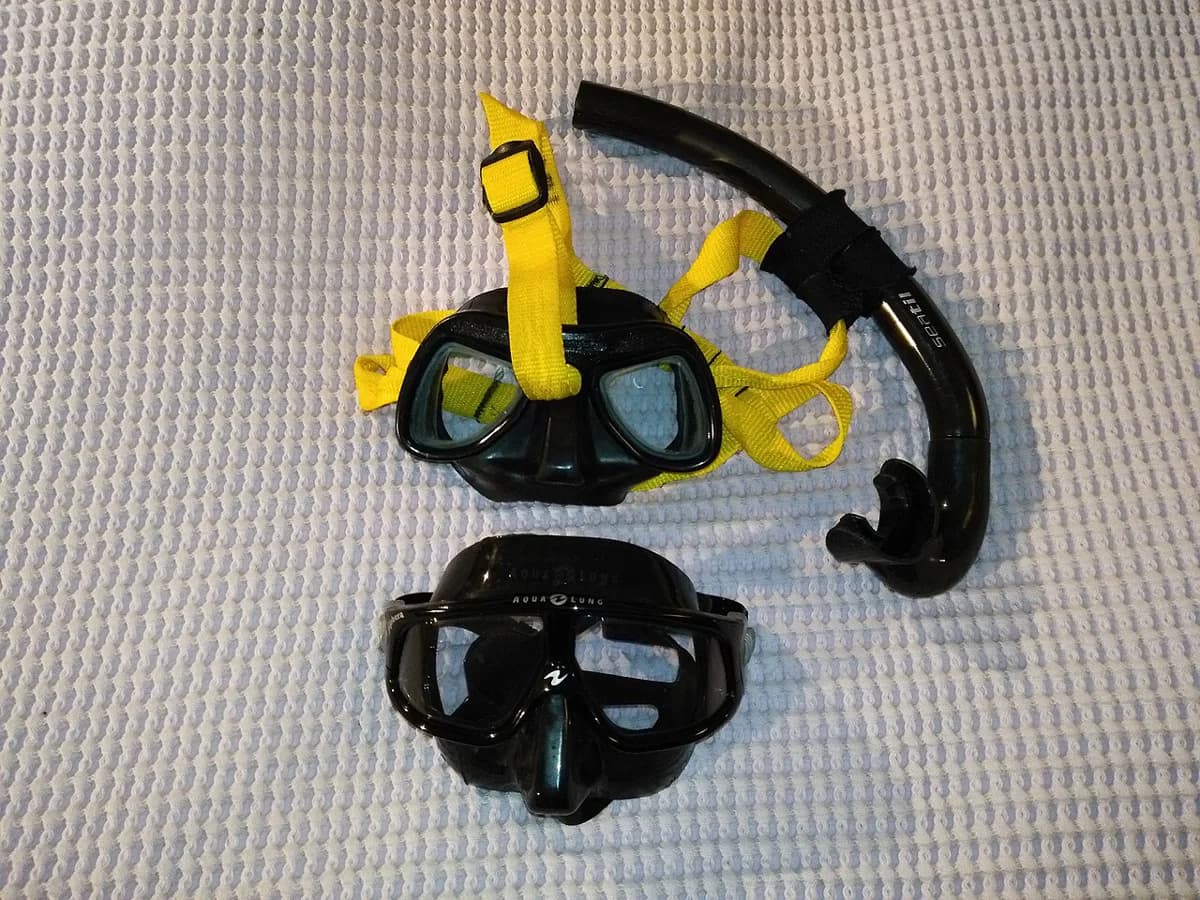
A standard set is a mask, a snorkel, a pair of fins and often a float vest or buoyancy belt. Mask and fins are the fitted items: the mask must seal against your face, and the fin pocket must hold your foot without slop. The snorkel and vest are essentially fixed-size and just need to be clean and in working order.
Rates vary by shop, set composition and rental length, and a single product listing cannot stand in for the market.
Booties appear when a shop stocks open-heel fins, which use an adjustable strap and a foot pocket sized to a neoprene boot. Ask before you leave the counter whether booties are included or counted as a separate item, because the answer decides whether your fins feel locked-in or loose in chop.
Rent versus buy: which makes sense for your trip
Trip length is the clearest signal. A short trip with two or three swims is a rental, while a two-week island stay or a home coast you visit monthly pushes toward owning at least a mask and snorkel. Cost per day is the wrong only measure, because a mask that leaks will cost you a swim no matter how cheap the rental was.
Hygiene and familiarity are the other half of the decision. Owning your own mask and snorkel removes the shared-mouthpiece question and lets you dial in a seal before you travel. Fins, vests and booties are bulky, so many travelers rent those locally and pack only the pieces that touch their face.
Renting also works as a test drive. If you finish a week loving a particular fin stiffness or mask skirt shape, you know exactly what to buy, and if you snorkel once and shrug, you saved the cost of gear that would sit in a closet.
Mask fit is the whole game
Test the seal at the counter before you pay. Press the mask gently to your face without the strap, inhale through your nose, and let go. A mask that holds for a few seconds and drops away when you inhale again is the right size for your face; one that leaks air at the edges will leak water in the bay.
Pay attention to the skirt, the soft silicone edge that seals against your skin. Facial hair, high cheekbones and narrow faces are the usual reasons a mask will not hold, and a shop with several models in stock is worth more than one with a single house brand.
If you wear glasses, ask about optical inserts before settling on a rental. Some masks accept drop-in corrective lenses, and a few shops keep prescription masks in stock, but the swap depends on the mask model, so the answer comes from the counter, not a general rule.
Snorkel choice: open-top versus dry-top
A simple open-top snorkel is a straight tube with a mouthpiece, and it does the job in flat water with minimal parts to fail. A dry-top snorkel adds a valve at the top that closes when you duck under, which helps when there is chop or you plan to dive down.
The trade-off is that more valves mean more places for sand and salt to collect, so rinse whichever style you rent and check that the mouthpiece sits comfortably inside your lips. A snorkel that pulls at your jaw will end the swim long before your legs do.
Fins and foot pockets
Full-foot fins slip on like shoes and suit bare feet or thin neoprene socks. Open-heel fins use an adjustable strap and a pocket sized for booties, which is the better answer for wide or narrow feet that rental full-foot fins treat badly. Ask the shop which style it stocks before you assume you will get a choice.
Sizing is decided by the pocket, not the strap. Your toes should reach the end without curling, and your heel should sit fully in the pocket with no sideways slop; a fin that slides side to side wastes every kick and can rub the ankle raw. If the fit is close, a neoprene sock can take up a few millimeters.
What rental gear does not cover
Bring a rash guard or swim shirt for sun and abrasion, a dry bag for keys and a phone, and a towel for the rinse-down afterward. A rash guard also helps with warmth on long swims when the water is cooler than the air.
Sunscreen is the item most often forgotten, and many reefs and marine areas now expect reef-safe formulas, so check the rules for the specific park before you buy. Mineral filters such as non-nano zinc oxide and non-nano titanium dioxide are the common reef-safe option, and a water-resistant formula applied before you get in lasts longer than one slathered on wet skin.
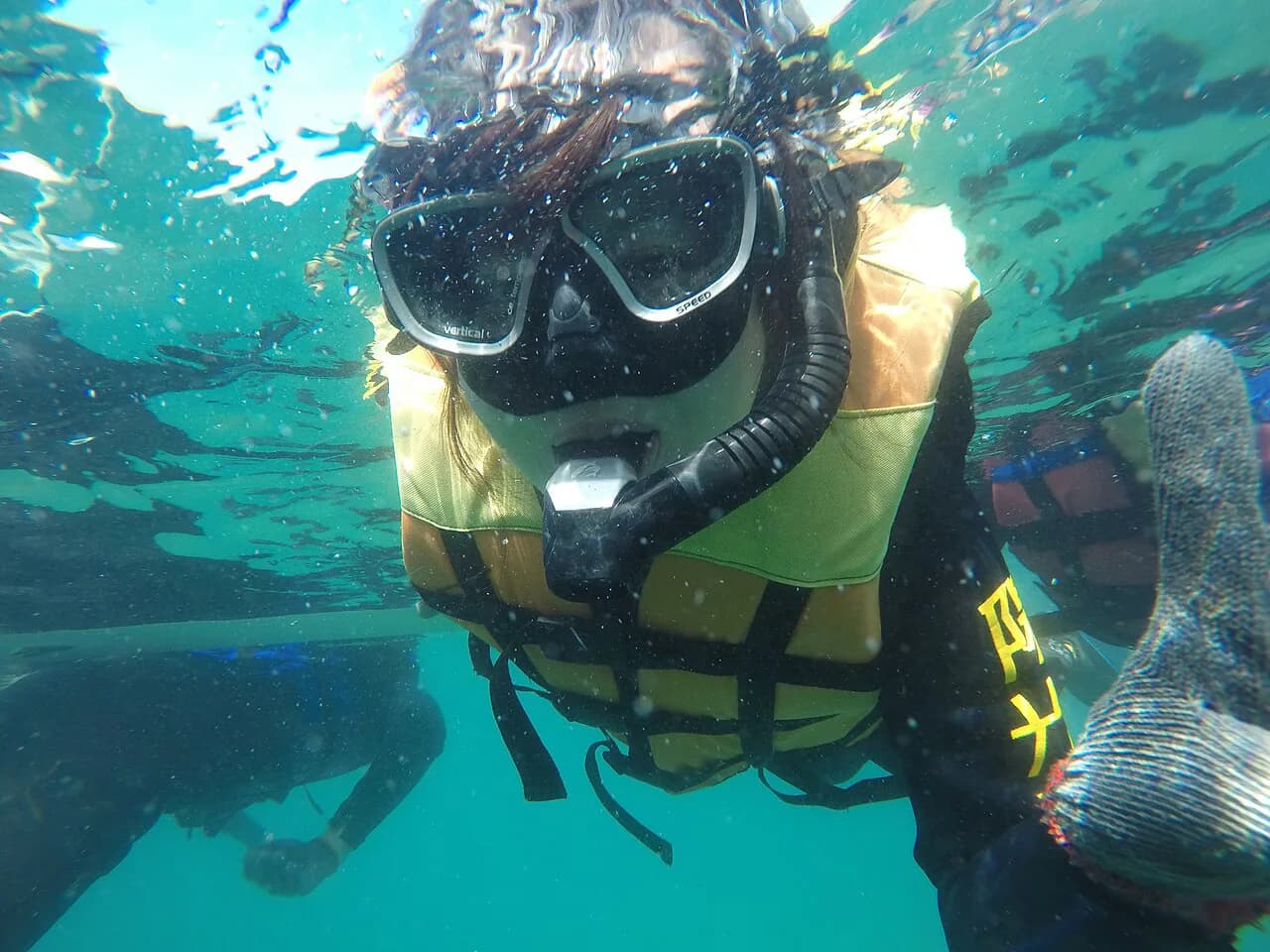
A float vest is often part of a rental set, and many shops lend one for kids and weaker swimmers. Confirm the size range against your child's weight at the counter rather than guessing, since an oversized vest rides up and an undersized one will not float.
Day, multi-day and weekly pricing structures
Shops usually price by the day, with a multi-day or weekly rate that lowers the per-day cost for longer trips; the exact numbers and deposit terms vary by shop, so ask when you reserve. One public listing shows a one-day rental item priced at five dollars, but a single product page cannot be read as a general market rate.
Ask what happens if you return gear late or damaged, and whether a deposit is held on a card. Those terms matter more than a dollar or two on the daily rate, because a lost mask or a snapped fin strap can turn a cheap rental into an expensive lesson.
Reserving gear at busy snorkel bays
Popular shore-entry bays draw crowds, and walk-up stock of the right mask size can run thin on a busy morning. Calling or reserving ahead at a shop near the bay is the simplest way to protect your first swim, especially on Oahu's North Shore, where Pupukea Beach Park and Shark's Cove anchor a full day of snorkeling. If you are planning the same rental decision on another island, this guide to snorkeling in Maui covers where to rent and which bays to use the gear, and you can compare the same trade-offs in our Snorkel Rental on Oahu: Where to Rent Gear and How to Choose.
Shops near the bay also serve as a gear stop before a full day out. A rental outlet on Kamehameha Highway in Pupukea sits minutes from Shark's Cove, so you can pick up a fitted mask and fins and be in the water without a detour across the island.
Renting for kids
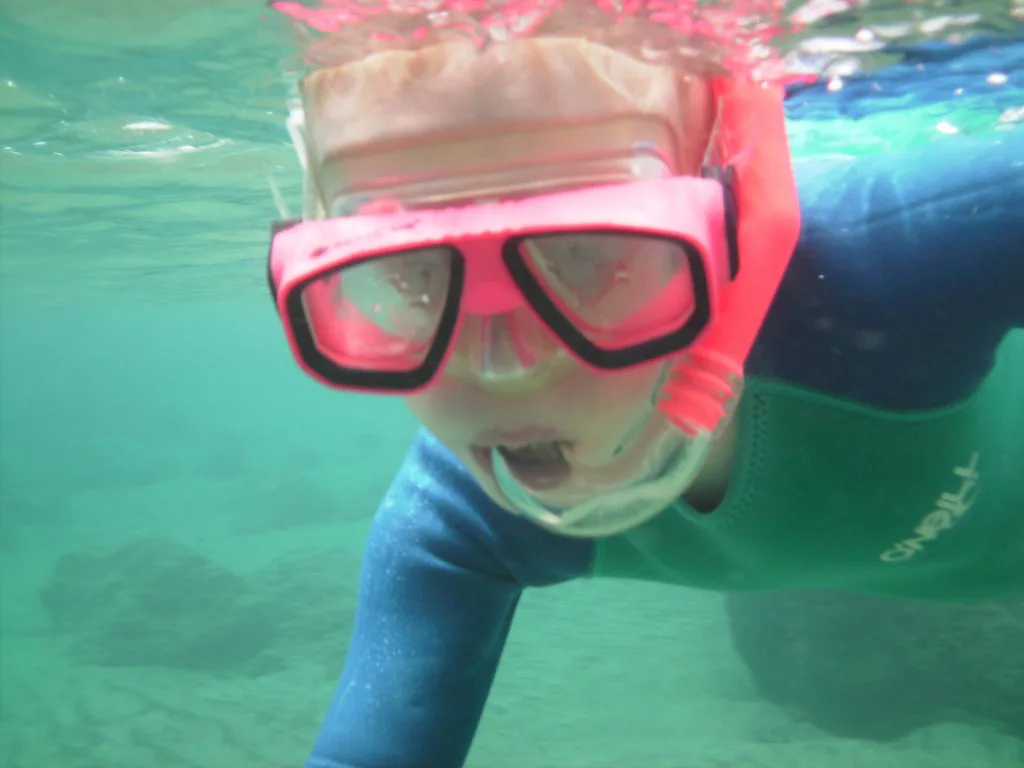
Kids' masks and fins come in smaller sizes, and not every shop stocks the full range. Bring your child to the counter so the mask seal and fin pocket can be tested on their face and feet, rather than grabbed from a shelf in the hope the size works.
A float vest sized to your child's weight is the piece that matters most for kids, and it should be checked at the counter. Ask whether the shop rents youth sizes or only adult vests with adjustable straps, and plan to add your own if the fit is poor.
Care and return
Rinse rented gear in fresh water after every swim to clear sand and salt, and let it dry before it goes back in the bag. Sand in the mask groove or the snorkel valve is the most common reason a return gets flagged, so check those spots before you hand it back.
Return gear by the time the shop sets, and ask whether the shop counts a late return as another rental day. Keep the receipt and note any pre-existing scratches or marks when you pick up, so the return conversation stays simple.
Matching gear to the day: calm bays versus open coast
Calm, protected bays with a sandy or boulder entry reward a good mask and modest fins; you will mostly float, look down and kick gently, so stiff long fins are overkill. On open coast with surge and shore break, better fins and a snug vest help more, and a dry-top snorkel is easier when water washes over the tube.
Whichever day you plan, a mask that fits and fins that do not rub decide whether the rental was money well spent. Build the rental stop around those two pieces, add a float vest for kids and weaker swimmers, and ask the shop about conditions and local rules before you head to the water.
Plan Your Rental Day
Rent when the trip is short, when you are still learning what fits, or when fins and vests are too bulky to pack. Buy when you snorkel often, when you have a hard-to-fit face or foot, or when you want your own prescription mask.
Test the mask seal at the counter, check the fin pocket with your actual foot or sock, and confirm the daily rate, deposit and return terms before you walk out. That three-minute conversation at the counter is what keeps the swim itself simple.
Frequently Asked Questions
How much does it cost to rent snorkel gear in Hawaii?
Rates vary by shop, set composition and rental length, and a single product listing cannot stand in for the market. Ask the shop near the bay you plan to visit for its current daily and multi-day rates, plus any deposit terms.
Is it cheaper to rent or buy snorkel gear?
Renting usually wins for a short trip or a first try, while owning pays off if you snorkel regularly or have a face or foot that rental stock fits poorly. Price the rental against the number of swims you actually plan.
How do I know a rental mask will fit?
Press the mask to your face without the strap, inhale gently through your nose and let go. A mask that holds briefly and falls away when you inhale again seals well; one that leaks at the edges will leak underwater.
Do rental shops provide fins for kids?
Many do, but the size range varies, so bring your child to the counter and test the pocket on their foot rather than guessing. Ask specifically whether youth sizes are stocked.
Can I rent a prescription snorkel mask?
Some masks accept drop-in optical lenses and a few shops keep prescription masks in stock, but the swap depends on the model. Ask the counter what it carries for your prescription before you reserve.
How long can I keep rental snorkel gear?
Rental periods are set by each shop, usually by the day with multi-day options for longer trips. Confirm the return time and any late-return charge when you pick up the gear.
Sources
Snorkeling notes for your next trip
Optional updates to our snorkeling guides.
You might also like
Continue reading
More guides you'll find useful